
Over 165,000 student certificates withheld as higher education debt crisis hits R59 billion
South Africa’s higher education debt crisis has reached a critical juncture, with over 165,000 students—potentially as many as 188,209—blocked from accessing their qualification certificates due to unpaid fees. The total outstanding debt across the system now exceeds R59 billion, according to a briefing to Parliament’s Portfolio Committee on Higher Education by the Department of Higher Education and Training (DHET), Universities South Africa (USAF), and the South African Public Colleges Organisation.
The Scale of the Crisis
The DHET reported that 165,000 certificates are currently withheld, a figure described as “alarmingly high.” However, USAF’s data suggests the number may be even higher, at 188,209. The debt breakdown reveals R29 billion owed by students funded by the National Student Financial Aid Scheme (NSFAS) and R26 billion by self-funded students. Institutions are also burdened with R12 billion in irrecoverable debt, underscoring the severity of the financial strain.
Why Withholding Certificates Matters
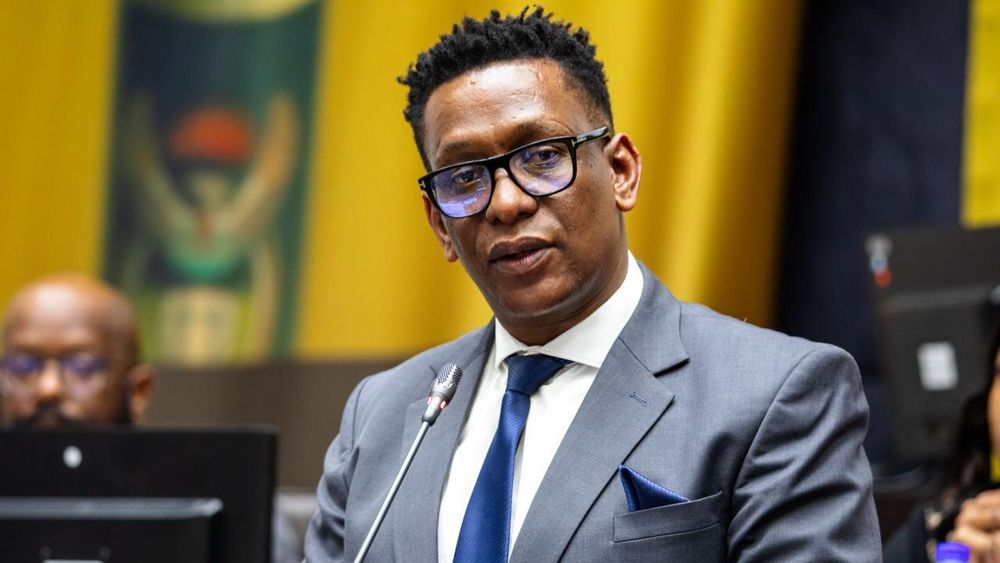
The Portfolio Committee warned that withholding certificates traps graduates in a vicious cycle: without proof of qualifications, their job prospects shrink dramatically, making it nearly impossible to repay debt. Committee Chairperson Tebogo Letsie emphasized that rising debt levels indicate current measures are failing. “The statistics show that student debt is continuing to rise, which suggests that the measures put in place are not working as intended,” Letsie stated.

Reconciliation disputes between NSFAS and universities, alongside soaring accommodation costs and delayed NSFAS payments, are major contributors to the debt crisis. The committee highlighted that universities’ financial survival may now hinge on NSFAS’s stability, with Letsie warning, “There is no university that will survive for five years if NSFAS collapses.”
What Could Happen Next?
Parliament has called on the DHET to urgently resolve disputes between NSFAS and institutions and to accelerate efforts toward a sustainable student funding model. While no specific actions have been outlined, possible next steps could include:
- Negotiated debt relief or repayment plans for affected students.
- Reforms to NSFAS’s reconciliation processes to reduce administrative delays.
- Policy adjustments to address accommodation costs, which contribute to debt accumulation.
- Stronger oversight of irrecoverable debt to prevent institutional financial collapse.
Frequently Asked Questions
How many students are affected by withheld certificates?
The DHET reports 165,000 students, while USAF’s data suggests up to 188,209 certificates may be withheld due to unpaid fees.
What is the total student debt in South Africa’s higher education system?
The total outstanding debt stands at R59 billion, including R29 billion from NSFAS-funded students, R26 billion from self-funded students, and R12 billion in irrecoverable debt held by institutions.
Why does withholding certificates worsen the debt crisis?
Without certificates, graduates face slim job prospects, making debt repayment nearly impossible. The committee warned this creates a cycle where financial hardship deepens, trapping individuals in both unemployment and debt.
As South Africa grapples with this unfolding crisis, how might your community or workplace be impacted by these challenges?