

Overcoming Reimbursement Barriers: The Future of South Korean Medical AI
Domestic medical artificial intelligence (AI) companies are facing significant hurdles in establishing a foothold in the local market, which in turn complicates their expansion into global arenas. Industry leaders and academic experts report that a lack of clinical validation opportunities and an inflexible, fee-for-service reimbursement system prevent these technologies from becoming established standards of care, according to reports from the medical industry.
The Challenge of Clinical Validation
Medical AI firms struggle to secure the domestic clinical references required to build trust with international buyers. While companies often succeed in developing software through government-funded research, the path to implementation in hospitals remains disconnected. According to industry representatives, without real-world clinical usage, developers cannot collect the necessary data to refine accuracy and stability.
One company executive noted that even innovative solutions risk stagnation if they are not utilized by physicians in clinical settings. The industry is now calling for institutional requirements that mandate clinical validation during the development phase of government-funded medical device projects. This integration is seen as essential for transforming experimental AI into a globally competitive product.
Did You Know?
The current strategy to integrate AI into Korean hospitals draws historical inspiration from the early 2000s adoption of Picture Archiving and Communication Systems (PACS). The government successfully accelerated that digital transition by providing additional fees to hospitals that implemented the new technology.
Global Perspectives on Reimbursement
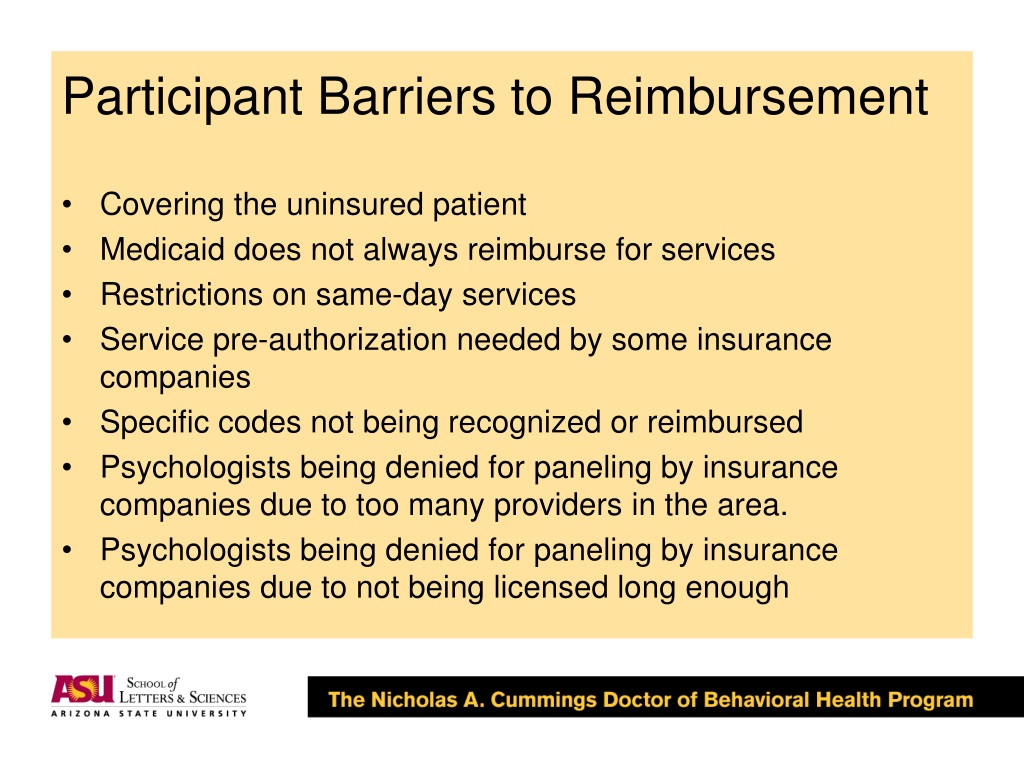
The struggle to align cutting-edge technology with traditional payment models is not unique to Korea. The U.S. Bipartisan Policy Center (BPC) reports that the American fee-for-service model often hinders the adoption of AI tools because the existing billing structures do not account for software-based diagnostic services.
While the Centers for Medicare and Medicaid Services (CMS) has attempted to classify AI-based Software as a Medical Device (SaaS) within diagnostic categories, challenges remain. There are only 26 Current Procedural Terminology (CPT) codes for clinical AI, and most are temporary, price-less Category III codes. In response, U.S. policymakers are exploring value-based payment models, such as the ACCESS model, which links financial rewards to improved clinical outcomes rather than the volume of services provided.
Expert Insight:
The core tension lies in the shift from “volume” to “value.” As medical AI matures, the challenge for health systems globally is to move away from paying for individual procedures and toward rewarding the measurable health improvements that AI can help achieve. Without a clear path to reimbursement, even the most promising clinical software may fail to reach patients.
Proposed Reforms for the Local Ecosystem
Academic experts argue that the domestic medical AI ecosystem remains incomplete because it lacks a continuous lifecycle of research, clinical use, and economic reward. The Korean Society of Medical and Biological Engineering (KOSOMBE) and other academic voices suggest that current evaluation standards—originally designed for traditional medical devices—are too rigid for the rapid pace of AI innovation.
Dr. Park Chang-min, president of the Korean Society of Medical AI, suggests that the government should consider a dedicated fund—separate from the national health insurance budget—to provide incentives for AI adoption. By using a system similar to the historical PACS adoption model, the government could encourage hospitals to integrate these tools, providing the data needed to prove clinical utility and eventually qualify for formal, permanent reimbursement status.
What May Happen Next
If current trends continue, domestic firms may face a widening gap between their technological potential and their actual market presence. Analysts expect that if the government adopts a separate, flexible reimbursement track for AI, it could provide the necessary incentive for hospitals to bridge the gap between initial development and clinical integration. Without such a shift, industry leaders suggest that companies may continue to struggle to secure the domestic references required for long-term international success.
Frequently Asked Questions
Why is domestic clinical use important for global expansion?
International buyers prioritize products that have proven their reliability through real-world clinical use. Without domestic references, companies struggle to demonstrate that their software is stable and accurate in a hospital setting.
What is the primary barrier to reimbursement for medical AI?
The current fee-for-service system is designed for traditional medical procedures. It often fails to accommodate AI software, which does not fit neatly into existing billing codes or volume-based payment structures.
What is the proposed alternative to the current payment system?
Academic experts suggest creating a separate, flexible compensation track—similar to the historical PACS adoption model—that provides additional incentives to institutions for using AI, rather than relying solely on the standard health insurance reimbursement path.
How should the healthcare industry prioritize the balance between rapid technological innovation and the need for rigorous clinical evidence?