

PACE Launches Investigation Into Sarajevo Safari Human Hunting Allegations
The Parliamentary Assembly of the Council of Europe (PACE) is launching an official investigation into the “Sarajevo Safari” case, following support from representatives of 23 member states. The inquiry seeks to clarify allegations that foreign citizens paid significant sums to participate in or observe the targeting of civilians during the four-year Siege of Sarajevo, which lasted from April 1992 to December 1995.
The coalition of nations backing the probe includes the United Kingdom, Germany, Italy, Belgium, Switzerland, Denmark, Greece, Albania, North Macedonia, France, the Netherlands, Sweden, Turkey, Ukraine, and Romania. The investigation stems from long-standing claims that wealthy individuals allegedly paid up to 300,000 euros to shoot at civilians, including children, from positions held by Bosnian Serb forces.
The Siege of Sarajevo is recognized as the longest siege of a capital city in modern history, spanning nearly four years of conflict characterized by widespread sniper fire and artillery attacks.
Why the investigation is moving forward now
While the allegations first surfaced through investigations initiated by Italian authorities, the scope of the inquiry has expanded as judicial bodies in Austria, Belgium, and Switzerland expressed interest due to the suspected involvement of their own citizens. The formalization of this case by PACE marks a transition from localized judicial interest to a broader European institutional effort to examine the events of the Bosnian War.
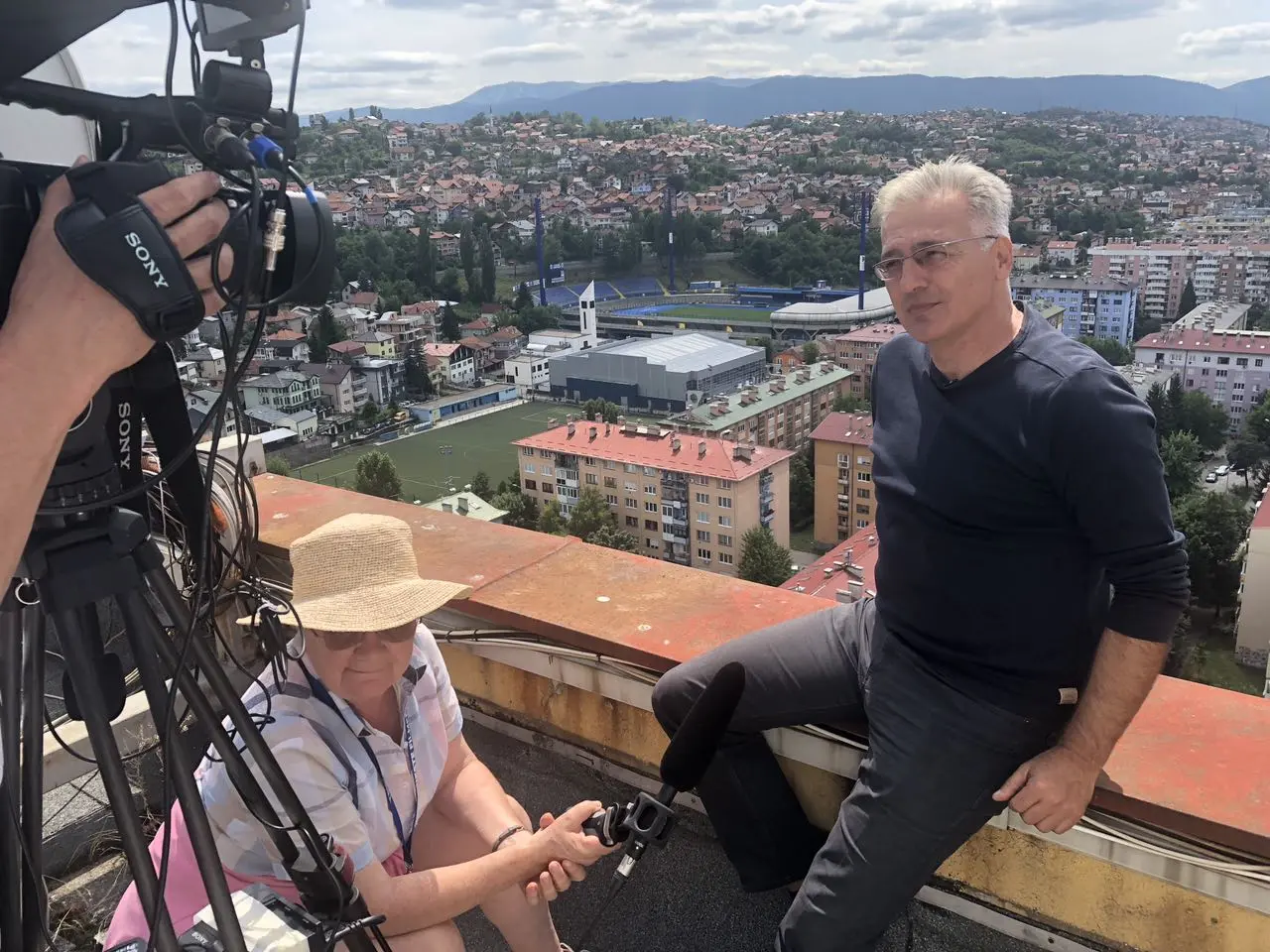
Samantha Carter notes that the move by PACE elevates the “Sarajevo Safari” allegations from historical controversy to an active intergovernmental matter. By securing support from 23 member states, the assembly has created a pathway to potentially address accountability for war-era human rights abuses that have remained unverified for decades. The involvement of multiple national judiciaries suggests that the upcoming report may serve as a crucial evidentiary foundation for future legal actions.
What to expect in the coming months
PACE is expected to appoint a special rapporteur by the beginning of September to oversee the case. This official will be responsible for compiling a detailed report, which will subsequently be presented to the assembly for debate. Depending on the findings, the assembly may move to adopt an official resolution regarding the matter.
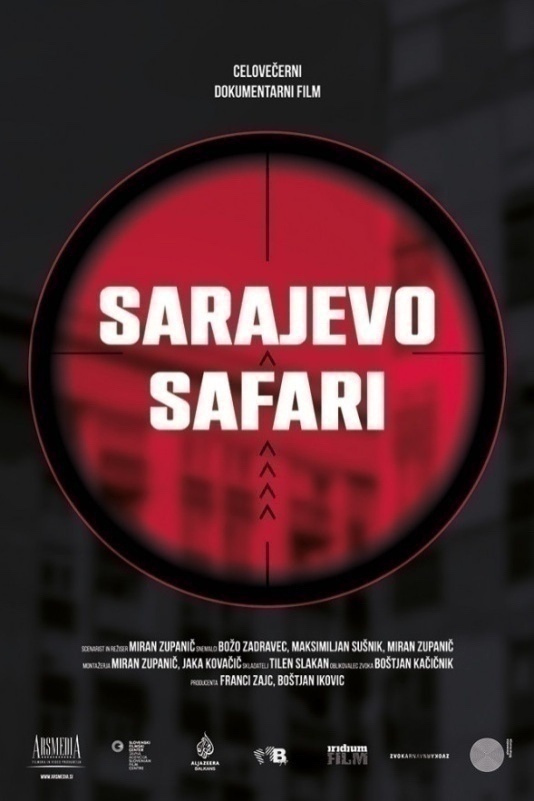
The path forward remains subject to the findings of the rapporteur. While some officials, such as Serbian President Aleksandar Vučić, have publicly stated they have no knowledge of such “human safaris,” the official PACE investigation is intended to resolve these conflicting narratives through an formal, evidence-based process.
Frequently Asked Questions
What is the “Sarajevo Safari”?
It refers to allegations that during the Siege of Sarajevo, foreign nationals paid large sums of money to shoot at or watch the shooting of civilians from Bosnian Serb military positions.

Which countries are supporting the investigation?
The request for an investigation is supported by 23 nations, including the United Kingdom, Germany, Italy, Belgium, Switzerland, Denmark, Greece, Albania, North Macedonia, France, the Netherlands, Sweden, Turkey, Ukraine, and Romania.
What is the next step for PACE?
The assembly is expected to appoint a special rapporteur by early September to prepare a report, which could eventually lead to the adoption of an official resolution.
How will the findings of the investigation impact the historical record of the Bosnian War?