
Pakistan’s Finance Minister Unveils Budget for FY2026-27, Aims to Accelerate Sustainable Growth
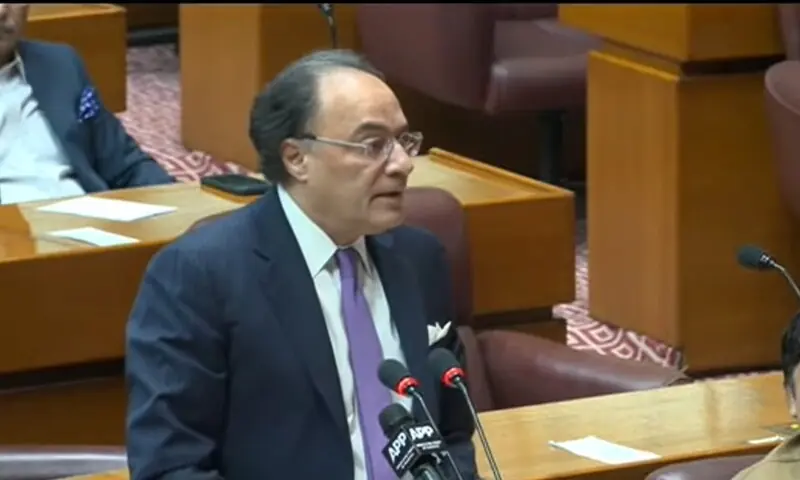
Finance Minister Muhammad Aurangzeb asserted on Saturday that the proposed FY27 budget would build on two years of sustainable growth, as he concluded the National Assembly debate on the fiscal plan presented June 12. The minister emphasized the budget’s focus on reducing tax burdens for the salaried class, small businesses, and exporters while introducing reforms to digitize tax administration, according to statements made during the session.
What Happened?
Aurangzeb stated the FY27 budget aimed to “accelerate the sustainable growth” recorded in recent years, following feedback from lawmakers and external stakeholders. The finance minister highlighted tax relief measures, including reduced levies on life-saving medicines, sanitary products, and contraceptives, as well as concessional loans for agriculture and importers. He also announced reforms to automate tax audits and eliminate discretionary powers in the Federal Board of Revenue (FBR), citing a $14bn revenue increase over the past two years.
The budget included Rs9.5bn in subsidies for the Prime Minister’s Youth Business & Agriculture Loan Scheme, Rs15.8bn to control fertilizer prices, and Rs4.2bn for agricultural development programs. Aurangzeb also mentioned plans for a Rs7.1bn cold storage facility in collaboration with the private sector and expanded agricultural ties with China.
Why It Matters
The budget’s emphasis on tax reforms and agricultural support reflects efforts to stabilize Pakistan’s economy amid challenges like inflation and external debt. By reducing burdens on key sectors, the government aims to stimulate productivity and investment. The Rs7.1bn cold storage project underscores a push to modernize agriculture, a sector that contributes significantly to the country’s GDP.
Aurangzeb’s claims about FBR performance—noting $14bn in revenue gains over two years—contrast with past criticisms of the agency. The minister also addressed concerns about economic indicator methodology, stating no changes were made to GDP or per capita income calculations, which were based on international standards.
What May Happen Next?
The National Assembly is likely to review the Senate’s 140 recommendations for the budget, though the final approval rests with the directly elected House. Disputes over tax policies, such as PTI lawmakers’ objections to airline tax relief, could influence future adjustments. Analysts suggest the government’s focus on digitization and agriculture may gain traction if implemented effectively, but challenges like political divisions and inflation could impact outcomes.

Frequently Asked Questions
What is the main objective of the FY27 budget? According to Aurangzeb, the budget prioritizes “sustainable and inclusive export-led growth” while reducing tax burdens on key sectors.
What agricultural relief measures were announced? The government introduced the Zarkhez scheme for interest-free loans to 750,000 farmers, Rs15.8bn in fertilizer subsidies, and import duty exemptions on agricultural equipment.
How does the government justify its revenue collection claims? Aurangzeb cited $14bn in additional revenue over the past two years, comparing it to $14bn collected in 13 years between 2011 and 2024, without altering economic indicator methodologies.
How might the proposed tax reforms affect small businesses in Pakistan?