
Pakistan’s interior minister is in Tehran as US downs more Iranian drones over Hormuz
Pakistan’s interior minister, Mohsin Naqvi, arrived in Tehran this week to spearhead a fresh diplomatic push aimed at de-escalating the conflict between the United States and Iran. This mediation effort coincides with a volatile period in the Strait of Hormuz, where the U.S. military reports shooting down additional Iranian drones, and persistent, unresolved fighting between Israel and Hezbollah continues to destabilize the broader Middle East.
Why Is Pakistan Mediating Between Washington and Tehran?
Pakistan is acting as a neutral intermediary to bridge the widening gap between U.S. interests and Iranian regional policies. According to the Iranian state-run news agency IRNA, Minister Naqvi is delivering a message from Pakistan’s army chief, Field Marshal Asim Munir, to Iran’s leadership. Islamabad is coordinating these efforts with regional partners, including Qatar, Turkey, and Egypt, to secure a maritime corridor that remains critical for global energy supplies.
How Is the Conflict Impacting the Strait of Hormuz?
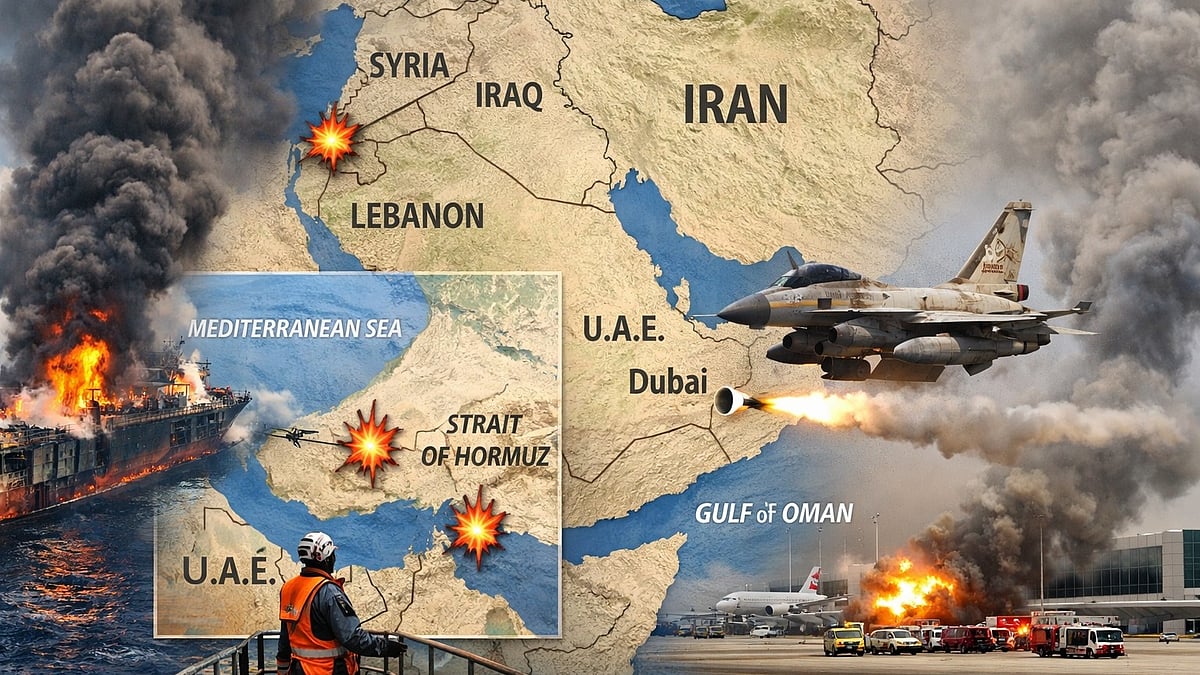
The Strait of Hormuz has become a primary theater for direct friction between U.S. forces and the Iranian Revolutionary Guard. U.S. Central Command confirmed that its forces intercepted several Iranian missiles and drones, citing an “immediate threat to regional maritime traffic.” In response to Tehran’s continued posture, the U.S. maintains a blockade on key Iranian ports. This ongoing standoff has caused energy prices to spike, creating significant political pressure for the U.S. administration ahead of the November midterm elections.
Is the Israel-Hezbollah Ceasefire Actually Working?
Despite a U.S.-brokered ceasefire agreement announced last week, active combat continues unabated. According to the Israeli military, forces struck over 150 Hezbollah military sites over the weekend, including command centers and rocket launchers in southern Lebanon. While the ceasefire was intended to pause hostilities, Hezbollah has formally rejected the deal, demanding that any truce must be tied to a broader resolution of the war between the U.S. and Iran.
| Party | Stated Position |
|---|---|
| Israel | Wants to continue the offensive until Hezbollah no longer poses a security threat. |
| Hezbollah | Demands that the Lebanon conflict be integrated into U.S.-Iran negotiations. |
What Are the Consequences for Global Markets?
The failure to secure a long-term ceasefire is keeping global markets on edge. The war has already contributed to a hunger crisis in several vulnerable nations and continues to strain the global economy. Lebanon’s army commander, Gen. Rodolphe Haikal, has traveled to Pakistan to meet with officials, though it remains unclear if his visit is directly linked to the broader Iran-U.S. mediation. With energy prices fluctuating based on the security of the Strait of Hormuz, the duration of this conflict remains the most significant variable for international trade stability.
Frequently Asked Questions
Why is Pakistan involved in U.S.-Iran negotiations?
Pakistan maintains diplomatic channels with both Tehran and Washington. Alongside countries like Qatar and Turkey, Islamabad is attempting to prevent a total collapse of regional maritime security.
Is the Strait of Hormuz currently closed?
The U.S. military is maintaining a blockade on Iranian ports, and while the strait is not completely shut, military activity has significantly restricted the flow of oil and gas tankers.
What is the status of the Hezbollah ceasefire?
The ceasefire is not holding. Israel continues to strike targets in southern Lebanon, and Hezbollah has rejected the current terms, insisting that their conflict be tied to the larger U.S.-Iran deal.
What do you think is the biggest hurdle to a lasting peace in the Middle East? Share your thoughts in the comments below or subscribe to our newsletter for real-time updates on this developing story.