
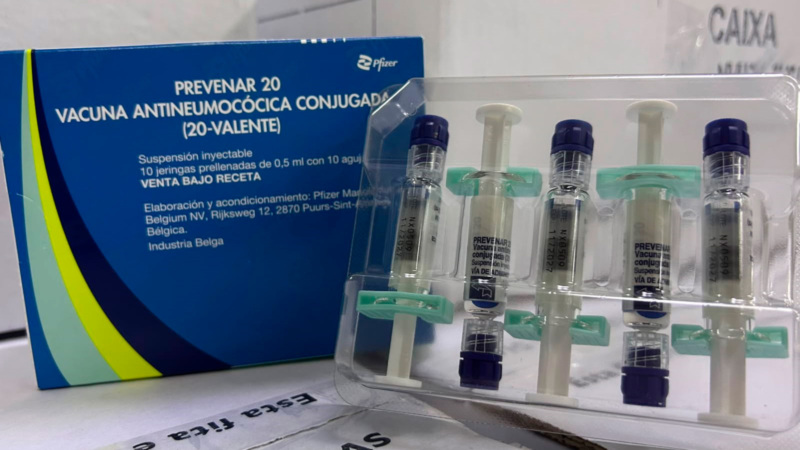
Paraná Rolls Out 20-Valent Pneumococcal Vaccine in SUS Immunization Program
The Paraná State Health Secretariat (Sesa) has begun distributing 29,700 doses of the 20-valent pneumococcal conjugate vaccine (Pneumo 20) to its 22 regional health departments. According to the state health department, this new immunization, incorporated into the National Immunization Program, will replace the previous 10-valent version to provide broader protection against Streptococcus pneumoniae bacteria.
How the new vaccine functions
The Pneumo 20 vaccine doubles the number of bacterial serotypes covered compared to the previous Pneumo 10 vaccine. According to the State Health Secretariat, the immunization protects against severe conditions including pneumonia, meningitis, acute otitis media, and septicemia.
Did You Know? The Pneumo 20 vaccine is part of a phased rollout, with the initial batch of 29,700 doses being distributed to 22 regional health centers across the state to facilitate local municipal access.
Who is eligible for the vaccine
The vaccination program prioritizes children and specific vulnerable groups. Eligibility currently includes:
- Children aged 2 months to 4 years, 11 months, and 29 days.
- Adults aged 60 and older who are bedridden or institutionalized and lack a complete vaccination record.
- Indigenous individuals over the age of 5 without a history of pneumococcal conjugate vaccination.
- Patients with specific clinical conditions, including those living with HIV/AIDS, cancer patients, and transplant recipients, who are served through the Special Immunobiological Reference Centers (CRIE).
Expert Insight: The transition to a higher-valency vaccine represents a strategic effort to modernize public health defenses. By targeting a broader range of serotypes, the state aims to lower the statistical risk of severe hospitalizations and mortality associated with invasive pneumococcal disease, particularly among the most vulnerable age groups.
Vaccination schedule and next steps
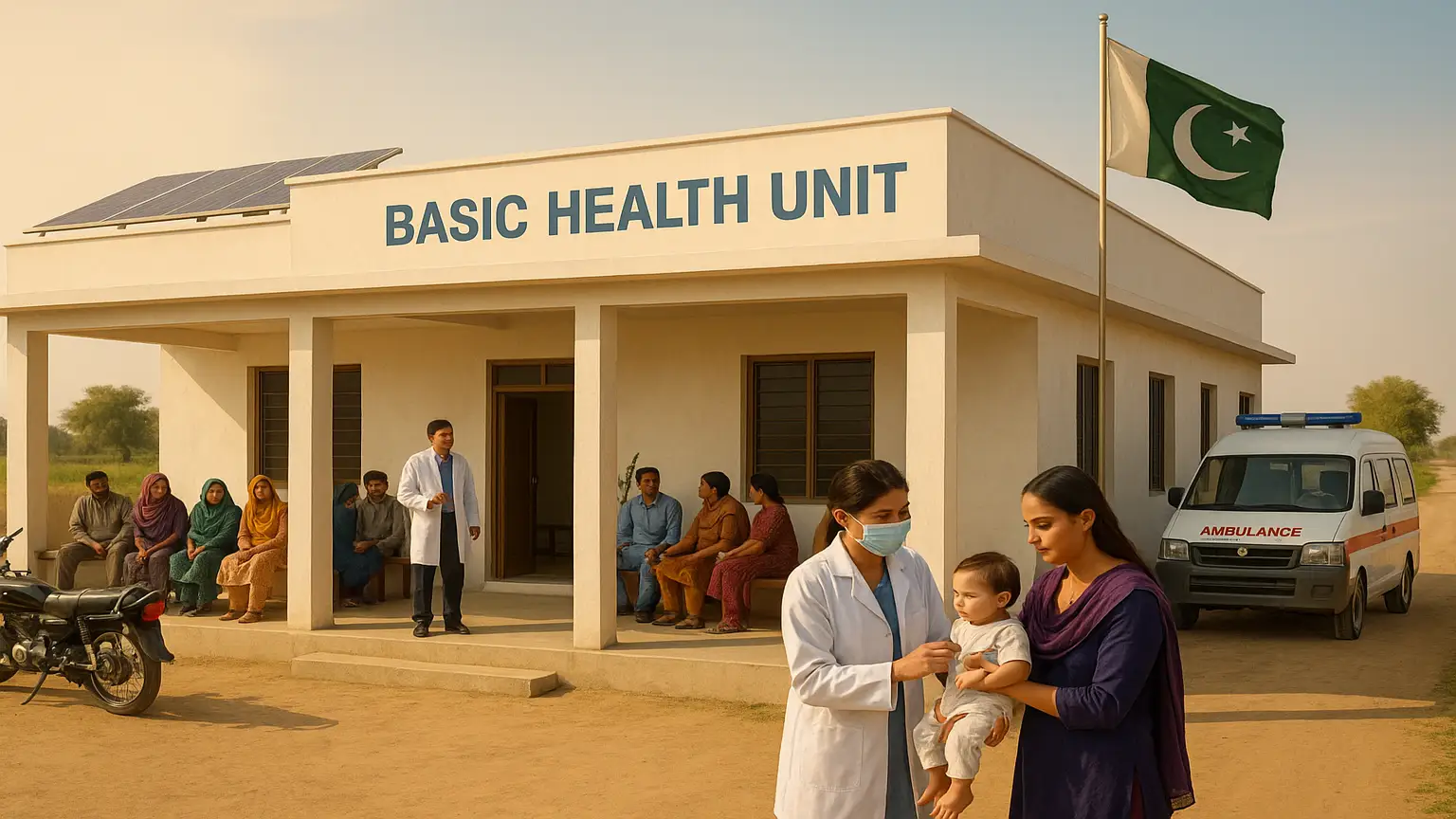
The standard protocol for children consists of two primary doses and one booster. The first dose is administered at 2 months, the second at 4 months, and a booster dose at 12 months, according to state health officials. Parents of children under 5 years old with incomplete or delayed vaccination schedules are encouraged to visit their local Basic Health Unit (UBS) for an immediate update.
Looking ahead, the gradual replacement of the Pneumo 10 vaccine is expected to standardize the higher-level protection across the state’s health network. Authorities indicate that this rollout is intended to reduce the overall burden of severe infections on the public health system, potentially decreasing long-term clinical complications in the pediatric and high-risk adult populations.
Frequently Asked Questions
What is the difference between Pneumo 10 and Pneumo 20?
The Pneumo 20 vaccine provides protection against twice as many bacterial serotypes as the previous Pneumo 10 vaccine, offering a broader shield against severe pneumococcal diseases.
Where should parents go to update a child’s vaccination record?
Parents should visit their nearest Basic Health Unit (UBS) to ensure their child’s vaccination schedule is current.
Are older adults eligible for the new vaccine?
Yes, but the current phase specifically targets individuals aged 60 and older who are bedridden or institutionalized and have not completed their vaccination scheme.
How do you stay informed about updates to immunization schedules in your community?