

Parental genes rather than pregnancy weight influence childhood body mass index
Genetic inheritance, rather than the intrauterine environment or parental weight during pregnancy, primarily drives the link between parents’ body mass index (BMI) and their children’s BMI, according to a study published June 23 in PLOS Medicine by the universities of Bristol, Queensland, and the Norwegian Institute of Public Health.
Researchers analyzed data from the Norwegian Mother, Father and Child Cohort Study, which tracked 86,000 children born between 1999 and 2009. The team examined birth weights and BMI from six months to eight years of age, using twin, sibling, and half-sibling relationships to separate genetic factors from biological effects.
The findings show that genetic effects explained an estimated 79% of the statistical association between a mother’s BMI and her child’s BMI at age 8. For fathers, genetic effects accounted for 94% of that association.
How much of childhood BMI is genetic?
Inherited genes are the primary driver of the correlation between parental and childhood BMI. Alexandra Havdahl, Scientific Director of the MoBa cohort, stated the link is driven largely by shared genes rather than parenting behavior or the intrauterine environment.
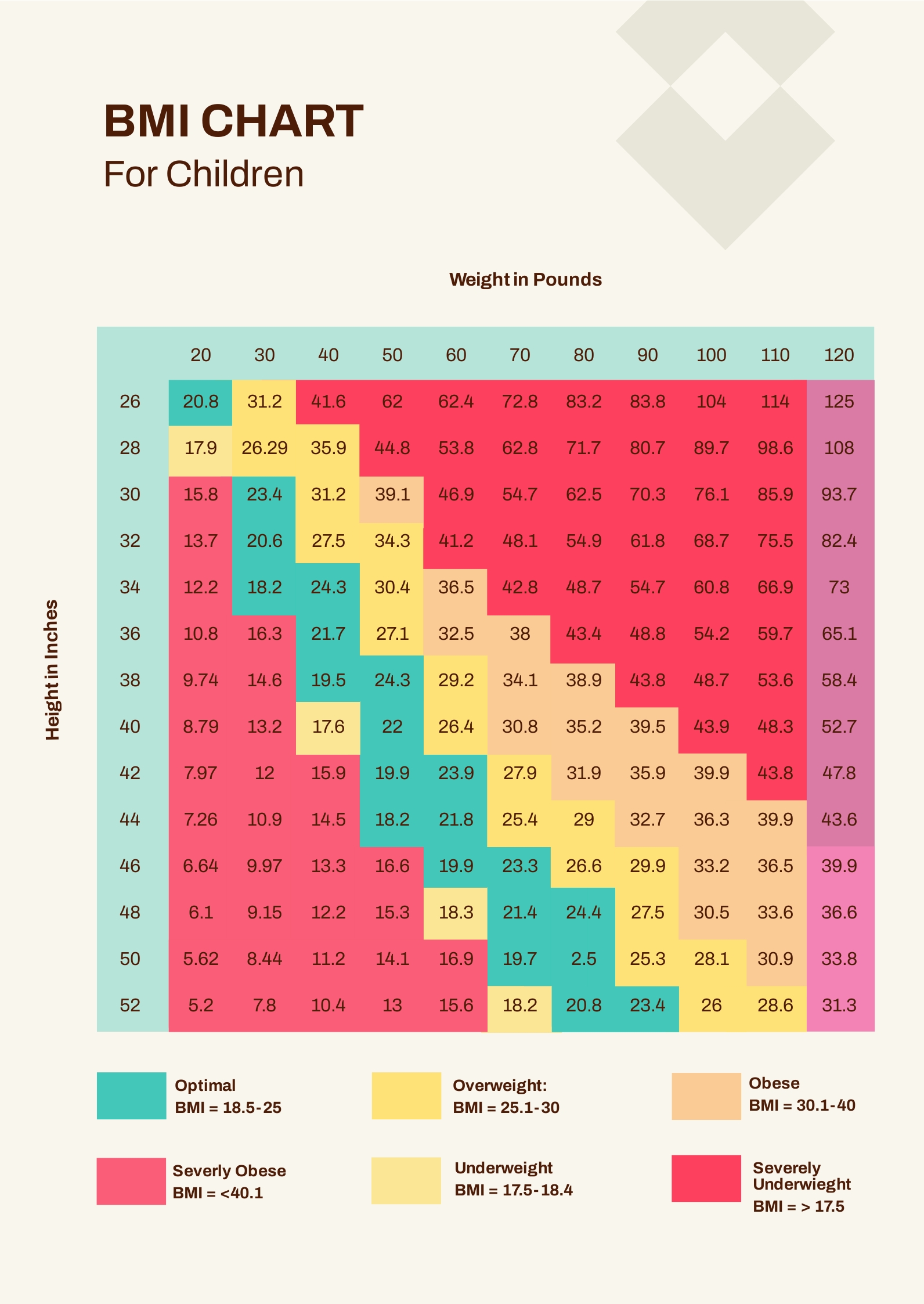
The study also found a connection between higher parental BMI and obesity-related eating behaviors in children. These include emotional overeating and greater food responsiveness, though researchers could not conclusively determine if these specific behaviors were genetically driven.
Does maternal weight during pregnancy affect long-term obesity?
Maternal BMI has a stronger association with offspring birth weight than paternal BMI does. This suggests the environment inside the uterus affects weight at birth. However, this effect does not appear to persist into later childhood.
David Evans, a Professor of Statistical Genetics at the University of Queensland, noted that while maternal BMI during pregnancy likely affects birthweight, it didn’t appear to have large effects on obesity risk in later life beyond genetic transmission.
What are the public health implications for parents?
The results suggest that reducing the BMI of either parent before pregnancy may be unlikely to cause large reductions in childhood adiposity. Dr. Tom Bond of the Bristol Medical School stated that while expectant parents should maintain a healthy weight, this alone may not ensure their children also have a healthy weight.
The research team cautioned that childhood obesity is not inevitable for children of heavier parents. Children with a genetic predisposition may express those genes differently based on their environment.
Authors emphasized that these findings do not diminish the importance of maternal health during pregnancy. Maternal obesity is already established to increase the risk of adverse perinatal outcomes for both the mother and the child.
Frequently Asked Questions
Does a mother’s weight during pregnancy influence a child’s weight at birth?
Yes. According to the study, maternal BMI was more strongly associated with offspring birth weight than paternal BMI, indicating an effect of the uterine environment.

Is childhood obesity inevitable if parents have a high BMI?
No. The research team stated that children who inherit a genetic predisposition to higher BMI may still express those genes differently depending on their environment.
Will losing weight before pregnancy prevent a child from becoming obese?
It may not. The study suggests that reductions in the BMI of either parent before pregnancy are unlikely to cause large reductions in childhood adiposity because the link is driven largely by genetics.
How do you think genetic knowledge should change the way we approach childhood nutrition?