
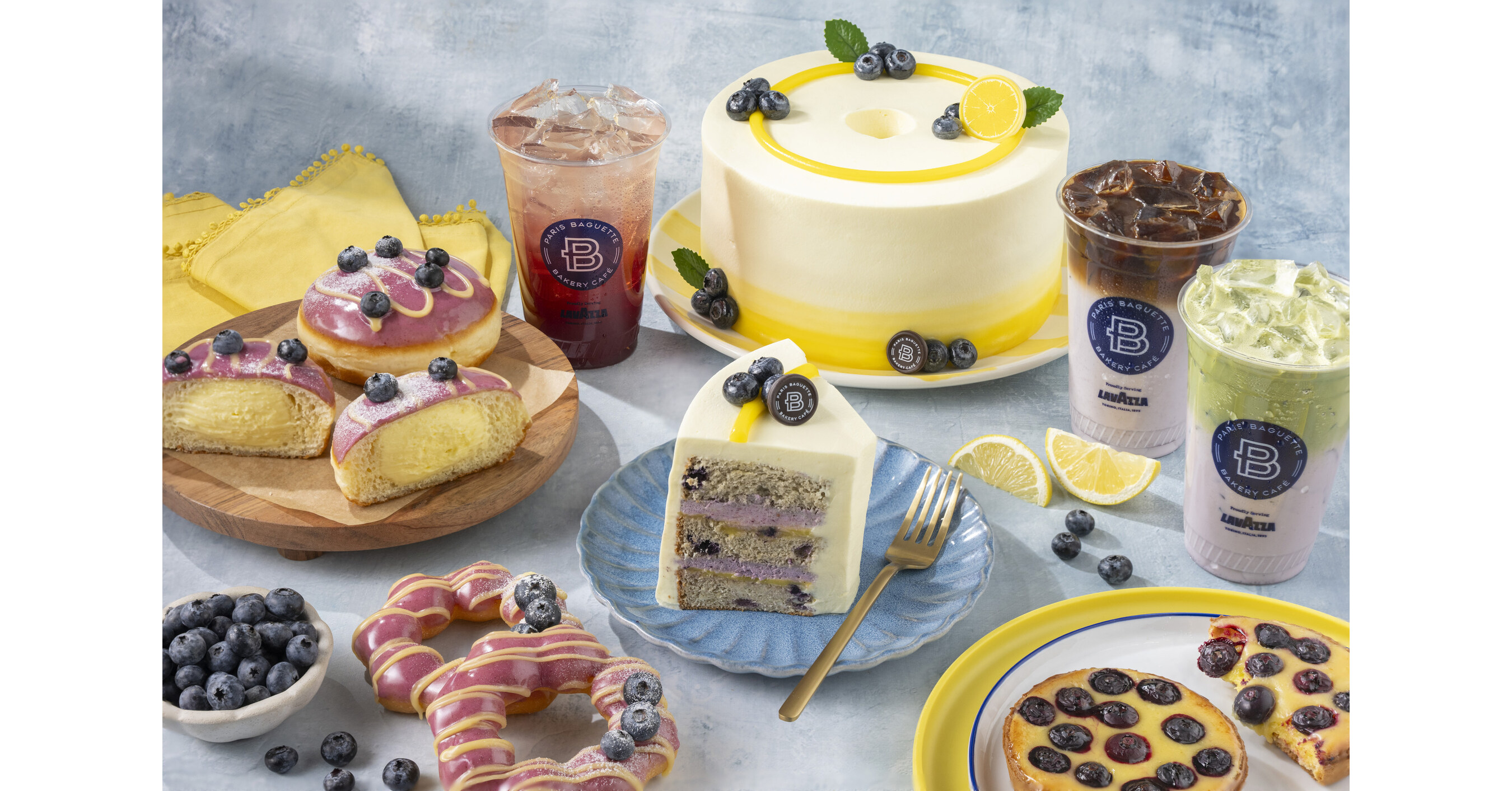
Paris Baguette Unveils New Summer Menu Featuring Lemon Blueberry and S’mores Treats
The Evolution of the Seasonal Menu: How Bakeries are Redefining the Guest Experience
The modern bakery is no longer just a place to grab a quick croissant and a coffee. It has evolved into a theatre of sensory experiences, where the menu acts as a calendar for the consumer’s emotions. When we look at the strategic rollout of seasonal lineups—combining bright citrus, nostalgic campfire treats, and high-end savory collaborations—we see a blueprint for the future of the food and beverage industry.
The shift is moving away from static menus toward “culinary storytelling.” By leveraging specific flavor profiles, brands are not just selling food; they are selling a feeling. This approach taps into deep-seated psychological triggers that drive consumer loyalty and increase the average transaction value.
Botanical Infusions and the Rise of ‘Fresh-Forward’ Flavors
The trend of pairing citrus with berries is a classic, but the industry is moving toward more complex, botanical profiles. We are seeing a transition from simple “lemon” to “lemon-verbena” or “blueberry-basil.” This evolution reflects a growing consumer demand for “garden-to-cafe” authenticity.
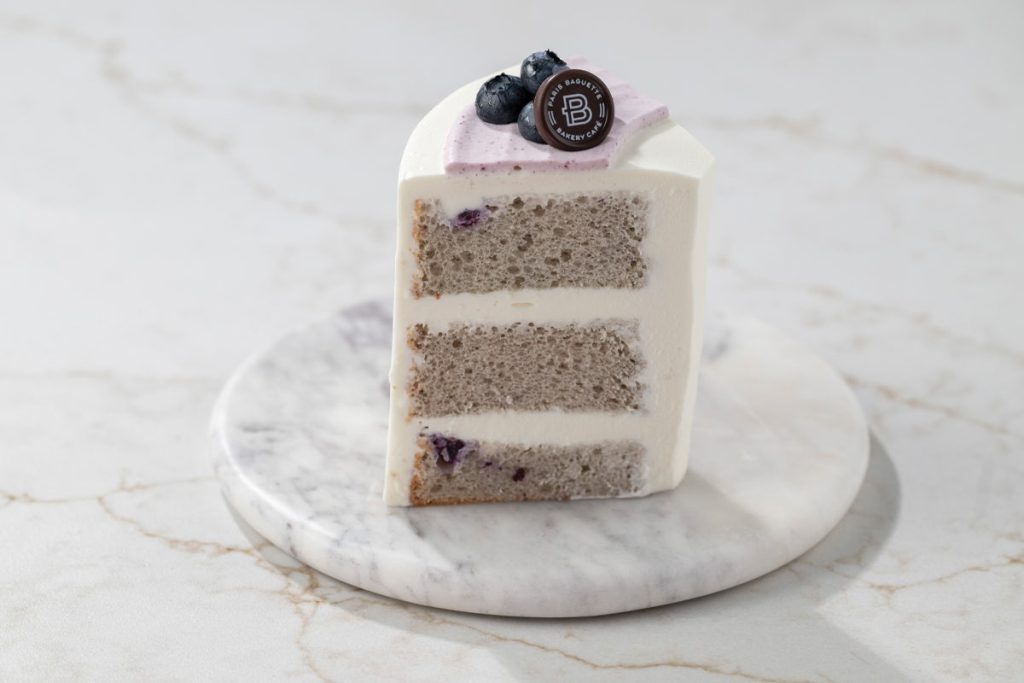
Data suggests that Gen Z and Millennial consumers are increasingly drawn to flavors that evoke a sense of wellness and nature. By integrating real fruit purees and ceremonial-grade ingredients, brands are bridging the gap between indulgence and perceived health. The future of seasonal menus lies in this intersection: treats that feel decadent but are rooted in natural, vibrant ingredients.
For more on how flavor profiles impact consumer behavior, check out our deep dive into the psychology of taste.
The ‘Kidulting’ Phenomenon: Nostalgia as a Hedge Against Stress
The resurgence of s’mores-inspired treats is part of a larger cultural movement called “Kidulting.” In an era of high economic volatility and digital burnout, adults are gravitating toward flavors and experiences that remind them of a simpler time—specifically childhood.
Nostalgia marketing is incredibly potent because it bypasses the rational brain and hits the emotional centre. A toasted marshmallow or a graham cracker crust isn’t just a flavor combination; it’s a memory of a campfire or a family vacation. This “comfort economy” is driving a trend where traditional desserts are being reimagined into high-end, artisanal formats, such as the “Supreme Croissant” or layered mousse cakes.
Strategic Co-Branding: The Power of the ‘Ingredient Halo’
One of the most significant trends in the F&B space is the strategic partnership between a service provider (like a bakery) and a premium ingredient brand (such as Boursin®). This is known as the “Ingredient Halo” effect.

By incorporating a recognized, high-quality brand into their savory lineup, bakeries can instantly elevate their perceived value. A “garlic and herb croissant” is standard; a “Boursin® Garlic & Herb Croissant” is a premium event. This cross-pollination allows both brands to tap into each other’s loyal customer bases while validating the quality of the final product.
We are seeing this trend expand into other areas, with coffee shops partnering with luxury chocolate makers or salad bars collaborating with organic farm cooperatives. According to industry analysis on co-branding, these partnerships reduce the risk of new product launches by leveraging existing brand trust.
Gamified Loyalty: From Point-Collecting to Community Building
The traditional “buy ten, get one free” punch card is dead. The future of loyalty is digital, personalized, and gamified. The shift toward app-based rewards—featuring “Free Points Fridays” and exclusive “Offer Banks”—transforms a transaction into a game.
By using data-driven offers, brands can now nudge consumer behavior in real-time. For example, offering a discount on a salad during a heatwave or a free pastry on a specific holiday creates a personalized relationship between the brand and the user. This digital ecosystem allows bakeries to move from being a “stop on the way to work” to becoming a “lifestyle destination.”
Frequently Asked Questions
Why are seasonal menus so popular in bakeries?
Seasonal menus create urgency through scarcity and allow brands to experiment with new flavors without committing to a permanent menu change.
What is ‘Nostalgia Marketing’ in food?
It is the practise of using flavors, scents, or presentations that trigger positive childhood memories, making the consumer feel emotionally connected to the product.
How do co-branding partnerships benefit the consumer?
Consumers get access to high-quality, premium ingredients in convenient, ready-to-eat formats that they might not prepare at home.
What is the future of bakery loyalty programmes?
Expect more hyper-personalization, where AI suggests treats based on your previous orders and local weather patterns, integrated with seamless mobile payments.
What’s your go-to seasonal flavor? Are you a fan of the bright and citrusy, or do you crave the nostalgic warmth of a s’more? Let us know in the comments below, or subscribe to our newsletter for more insights into the future of food and dining!