

Paris Karaoke Sightseeing Tour: Sing Your Way Through the City
The Death of the Passive Tourist: The Rise of Immersive Travel
For decades, city tourism followed a predictable script: climb onto a double-decker bus, put on a headset, and listen to a recorded voice explain the history of a monument. But the tide is turning. Today’s travelers aren’t looking to be spectators; they want to be the protagonists of their own adventure.
We are witnessing a fundamental shift toward participatory tourism. The modern traveller—particularly Millennials and Gen Z—values “the experience” over the “sight.” It is no longer enough to see the Eiffel Tower; the goal is to feel a visceral connection to the city, often through creative expression or social interaction.
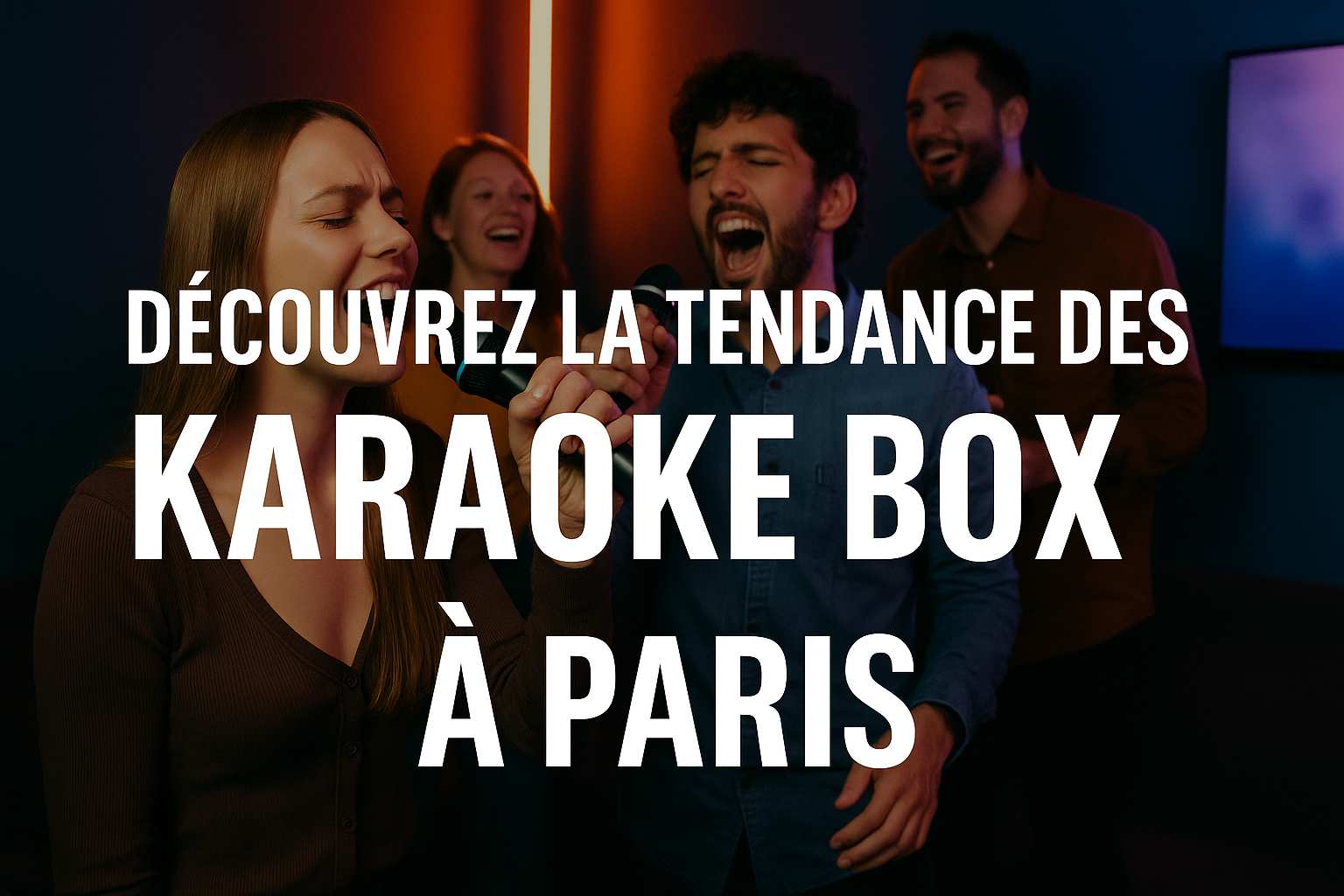
This evolution is driven by the “Experience Economy,” a term coined by B. Joseph Pine II and James H. Gilmore. They argued that businesses must orchestrate memorable events for their customers, and the travel industry is now applying this to urban exploration. When you combine a sightseeing tour with a karaoke stage, you aren’t just selling a transport service; you’re selling a memory.
Enter “Traveltainment”: When Sightseeing Becomes a Show
The blending of travel and entertainment—or “Traveltainment”—is becoming a dominant trend in global hubs. The idea of turning a vehicle into a moving panoramic stage is just the beginning. We are seeing a surge in activities that merge transit with performance art, gaming, and social networking.
Take, for example, the rise of immersive theater in cities like New York and London, where the boundary between the actor and the audience is blurred. Applying this to tourism means the city itself becomes the set, and the tourists become the cast. By encouraging costumes—whether it’s a Taylor Swift ensemble or a Freddie Mercury cape—operators are tapping into the psychological desire for escapism.
This “Main Character Energy” is a powerful motivator. When travelers dress up and perform, they are creating high-value social currency. In the age of TikTok and Instagram, a video of someone singing a power ballad while driving past the Louvre is infinitely more shareable than a static photo of the museum itself.
The Psychology of Performance in Travel
Why are we suddenly more willing to sing in public or dress as icons during a tour? It comes down to the “temporary liberation” that travel provides. Away from the judgments of their home colleagues and neighbours, tourists feel a newfound freedom to be eccentric. This psychological safety net turns a simple bus ride into a cathartic, joyful release.
For more insights on how psychology impacts travel choices, check out our guide on the evolution of modern tourist behavior.
Beyond the Bus: Where is Experiential Tourism Heading?
Looking ahead, the integration of music, performance, and sightseeing will likely evolve through technology and hyper-personalization. We can expect to see several key trends emerge in the next few years.
Hyper-Personalization through AI
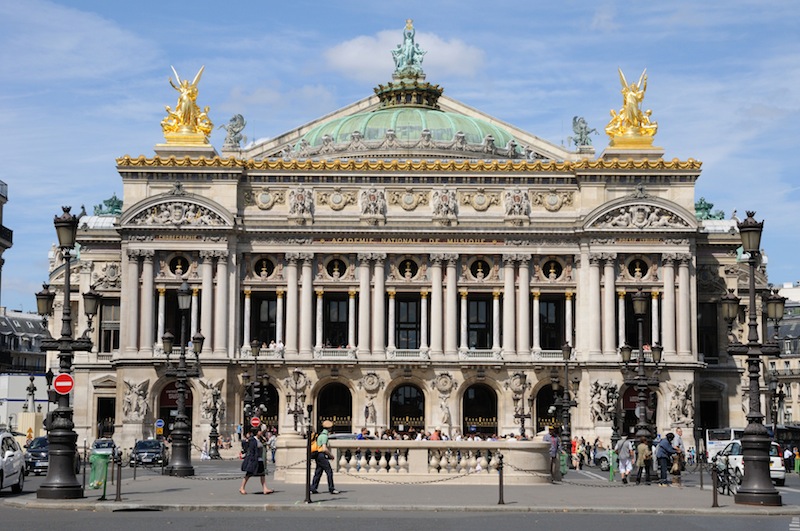
Imagine a tour where the music doesn’t just come from a requested list, but is curated in real-time by AI based on the mood of the group and the landmarks they are passing. As you approach the Opéra Garnier, the system could seamlessly transition into classic French arias, or shift to high-energy pop as you hit the vibrant streets of Le Marais.
The Gamification of the Cityscape
The “stage” will likely expand beyond the vehicle. We are seeing the rise of augmented reality (AR) tours where travelers complete “quests” or “performances” at specific GPS coordinates to unlock digital rewards or hidden city secrets. This turns a city tour into a live-action role-playing game (LARP).
Industry leaders, including the World Tourism Organization, have highlighted the importance of sustainable and innovative tourism. By focusing on “slow travel” and high-engagement activities, cities can move away from over-tourism (crowding at a single spot) and instead distribute visitors across a more dynamic, moving experience.
Multi-Sensory Integration
Future trends suggest a move toward multi-sensory experiences. We may see “scent-synced” tours where the aroma of fresh croissants fills the air as the bus passes a famous bakery, or haptic seats that vibrate in time with the bass of the karaoke track, creating a fully immersive 4D environment.
Frequently Asked Questions
Q: Is immersive tourism only for young people?
A: Not at all. While Gen Z drives the trend, “experience-seeking” is growing across all demographics, especially among Baby Boomers who are increasingly looking for active, social ways to explore the world.
Q: How does this differ from a standard city tour?
A: A standard tour is educational and passive. Immersive tourism is emotional and active; it focuses on how the traveller feels and what they do, rather than just what they see.
Q: Are these types of tours sustainable?
A: Yes, especially when they utilize existing transit infrastructure or electric vehicles. By creating “moving attractions,” they reduce the pressure on static landmarks and spread the tourist footprint more evenly.
Ready to step onto the stage?
The future of travel is all about breaking the fourth wall. Whether you’re a budding rockstar or a shy explorer, there’s a place for you in the new era of experiential tourism.
What’s the most unique tour you’ve ever taken? Tell us in the comments below or subscribe to our newsletter for more cutting-edge travel trends!