

Parliament condemns Russia’s drone incursions in the EU | Atualidade
European Parliament members have formally classified recent drone incursions and airspace violations as a systematic strategy of Russian intimidation against the European Union. According to an official resolution adopted with 412 votes in favor, these hostile acts aim to destabilize member states, damage local economies, and probe NATO’s detection capabilities. The Parliament demands an urgent shift toward a unified European Defence Union to secure the Eastern flank from the Arctic to the Black Sea.
The European Parliament’s resolution explicitly highlights the complicity of Belarus in these hybrid attacks, marking a significant diplomatic shift in how the EU frames regional security threats.
Why are Russian drone incursions considered a strategic threat?
Russia’s use of drones and meteorological balloons is not merely about border reconnaissance, according to the European Parliament. MEPs argue these incursions serve as a deliberate campaign to spread fear among civilian populations and create pretexts for future retaliatory actions. By testing the response times of NATO and EU member states, Moscow seeks to exploit perceived weaknesses in regional surveillance infrastructure. The strategy is designed to exhaust the resources of border nations, including Estonia, Finland, Latvia, Lithuania, and Romania, which have been primary targets of these provocations.
How does the EU plan to bolster its Eastern flank?
The resolution calls for the creation of a “genuine European Defence Union” to move beyond fragmented national responses. Integration of air defense, maritime monitoring, and land-based detection systems is deemed essential to protect the entire length of the Eastern flank. This shift involves pooling resources and increasing coordination to combat both drones and high-altitude balloons. MEPs emphasize that current national capabilities are insufficient to counter the evolving nature of hybrid warfare, necessitating a unified, border-to-border approach that covers the Arctic to the Black Sea.
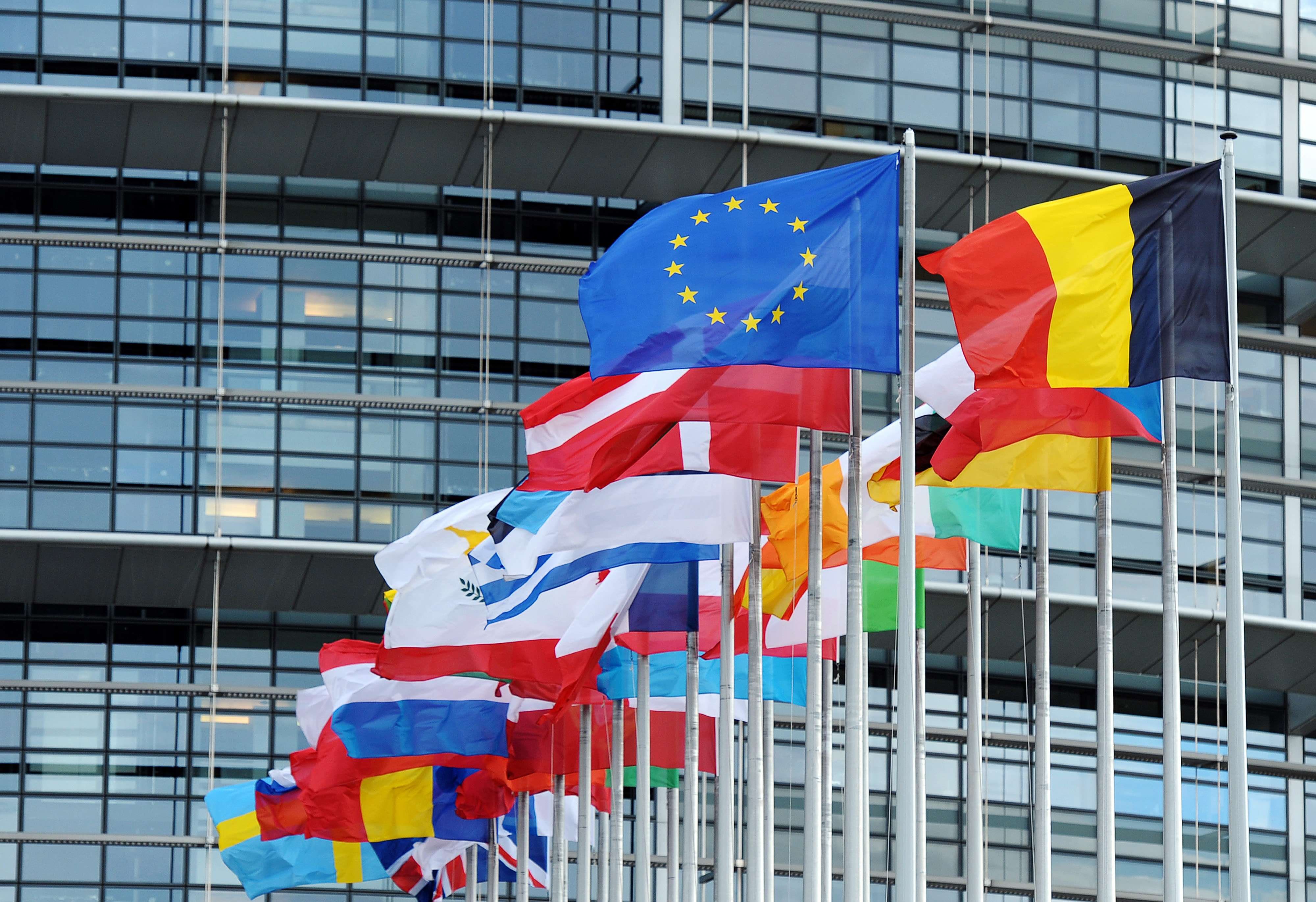
To understand the technical challenges of modern border security, monitor updates from the European Peace Facility, which provides the primary funding mechanism for collective military support in the region.
What is the future of support for Ukraine and Moldova?
The European Parliament maintains that the security of EU member states is inseparable from the defense of Ukraine and Moldova. MEPs have urged an immediate acceleration in the delivery of air defense systems, missiles, and ammunition to Kyiv. Furthermore, the resolution highlights the necessity of deepening cooperation with Moldova to improve situational awareness and information exchange. By increasing funding through the European Peace Facility, the EU aims to strengthen the operational efficiency of its partners, effectively creating a buffer zone against further Russian destabilization efforts.
Frequently Asked Questions
What is the primary goal of Russian hybrid attacks?
According to the European Parliament, the goals are to intimidate civilian populations, cause economic damage, and test the detection and response capabilities of NATO and EU member states.
Which countries have been specifically targeted?
MEPs expressed solidarity with Estonia, Finland, Latvia, Lithuania, and Romania, noting that these nations have faced direct Russian hybrid provocations involving their airspace and critical infrastructure.
Does the EU view Belarus as a participant?
Yes. The European Parliament formally condemned Belarus for its complicity in these hybrid attacks against the EU.
Stay informed on the evolving security situation in Europe. Subscribe to our newsletter for expert analysis on defense policy and geopolitical trends.