
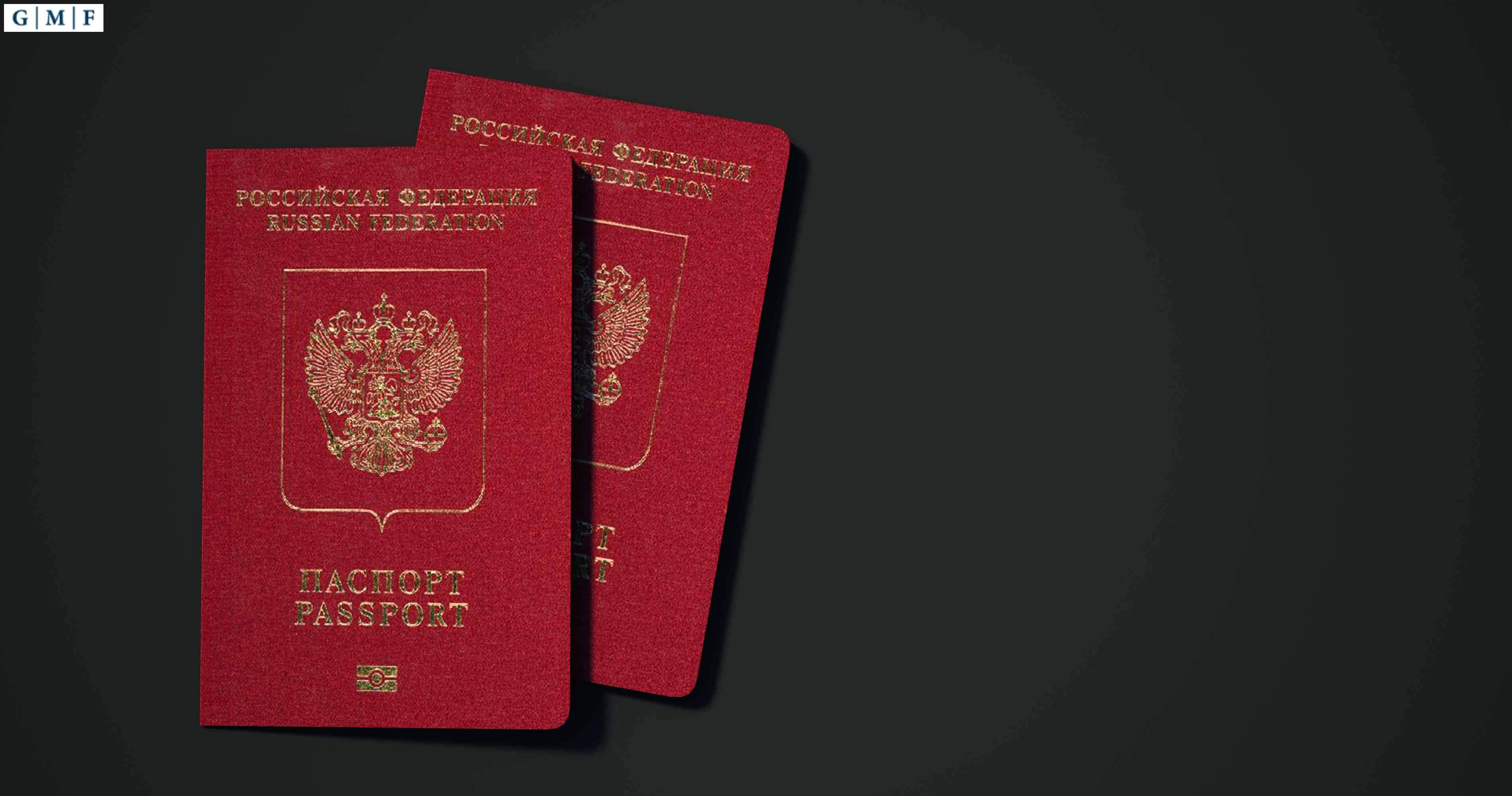
Passportisation Under Pressure: Russia’s Strategic Play in Transnistria
The Great Tug-of-War: Why Russian Passports are the New Battleground in Transnistria
For decades, the breakaway region of Transnistria has existed in a geopolitical limbo—a sliver of land between the Dniester River and the Ukrainian border, nominally part of Moldova but practically a Russian outpost. However, the traditional pillars of Russian control are cracking.
We are witnessing a fundamental shift. The era of “material patronage”—where Moscow kept the region afloat with free gas and political cover—is being replaced by “legal warfare.” The latest weapon of choice? The Russian passport.
From Gas Pipes to Paper Trails: The Decline of Material Leverage
Historically, Russia’s grip on Transnistria was simple: energy subsidies. By providing cheap or free natural gas, Moscow ensured the loyalty of the local administration and the population. But the geopolitical landscape has shifted violently.
With the closure of the Ukrainian border and the strain of ongoing conflicts, the pipeline of influence has leaked. Public services in the region are deteriorating, and the cost of maintaining a client state is becoming prohibitively expensive for a Kremlin facing its own economic pressures.
When material wealth fails, the Kremlin turns to symbolic and legal claims. By simplifying the path to Russian citizenship, Moscow isn’t just offering a travel document; it is building a “legal army” of citizens it can claim to protect—or command to serve.
The Sheriff Factor: When Profit Outweighs Politics
Perhaps the most fascinating trend is the behavior of the Sheriff conglomerate. As the dominant economic force in Transnistria, Sheriff has long played a double game.
While politically aligned with Moscow, Sheriff’s bottom line is increasingly tied to the European Union. With a vast majority of its exports flowing toward EU markets, the conglomerate finds itself in a precarious position: its political heart is in Moscow, but its wallet is in Brussels.
This divergence creates a “crack” in the ruling elite. When the region’s biggest employer realizes that European trade is more lucrative than Russian subsidies, the structural integrity of the secessionist project begins to crumble.
Moldova’s “Slow-Burn” Strategy for Reintegration
Chișinău is no longer playing a passive game of conflict management. Instead, Moldova is employing a strategy of incremental, administrative absorption. This isn’t a sudden military move, but a methodical “fiscal embrace.”
By implementing customs duties and tax harmonization, Moldova is effectively drawing Transnistria into its legal and fiscal orbit. For a Transnistrian business owner, the choice is becoming clear: follow the rules of Chișinău to access the EU market, or remain isolated in a decaying Russian enclave.
This approach is a masterclass in asymmetric reintegration. Rather than fighting for territory, Moldova is fighting for the balance sheet. For more on how this mirrors other regional trends, see our analysis on Eastern European security shifts.
The Hidden Risks: Recruitment and Coercive Diplomacy
While Russian material power may be waning, the “passportisation” strategy introduces two critical risks that cannot be ignored.
1. The Mobilization Pipeline
A Russian passport is not just a shield; it is a summons. By increasing the number of citizens in the region, Moscow expands its pool of potential recruits for its military efforts. For young men in Transnistria, citizenship might seem like a path to mobility, but it may actually be a path to the front lines.
2. The Pretext for Intervention
By flooding the region with passports, the Kremlin creates a “tripwire.” Any move by Moldova to tighten security or enforce law and order can be framed as “persecution of Russian nationals.” This allows Moscow to maintain a threat of intervention without actually having to deploy a permanent, costly garrison.
For a deeper dive into the legalities of sovereign borders, refer to the United Nations Charter on territorial integrity.
Future Scenarios: Where Does Transnistria Go From Here?
The trajectory of the region likely falls into one of two scenarios:

- The Economic Pivot: Local elites, led by the Sheriff conglomerate, decide that EU prosperity outweighs Russian loyalty. In this scenario, Transnistria undergoes a “soft” reintegration into Moldova, driven by trade and tax alignment.
- The Authoritarian Clampdown: Russia, sensing its loss of control, uses the new “citizenry” to install a more hardline, security-focused regime in Tiraspol, turning the region into a fortress of instability to obstruct Moldova’s EU aspirations.
The outcome depends on whether Moldova can continue to offer credible incentives to the business class while maintaining a firm line on security.
Frequently Asked Questions
What is “passportisation”?
It is the practice of a state granting its citizenship to residents of a foreign territory to create a legal justification for intervening in that territory to “protect” its citizens.
Why is the Sheriff conglomerate important?
Sheriff is the dominant economic actor in Transnistria. Because it controls the majority of the economy and exports heavily to the EU, its loyalty is the key to the region’s stability.
Is Transnistria likely to reunite with Moldova?
While a sudden reunification is unlikely, “incremental reintegration” through economic and legal means is currently the dominant trend.
How does Russian citizenship affect residents of Transnistria?
It provides access to Russian pensions and travel, but it also exposes residents to Russian laws, including mandatory military conscription.
Join the Conversation
Do you think economic incentives are enough to pull Transnistria away from Moscow’s orbit, or will the “passport strategy” succeed in keeping the region isolated?
Share your thoughts in the comments below or subscribe to our geopolitical newsletter for weekly deep dives.