
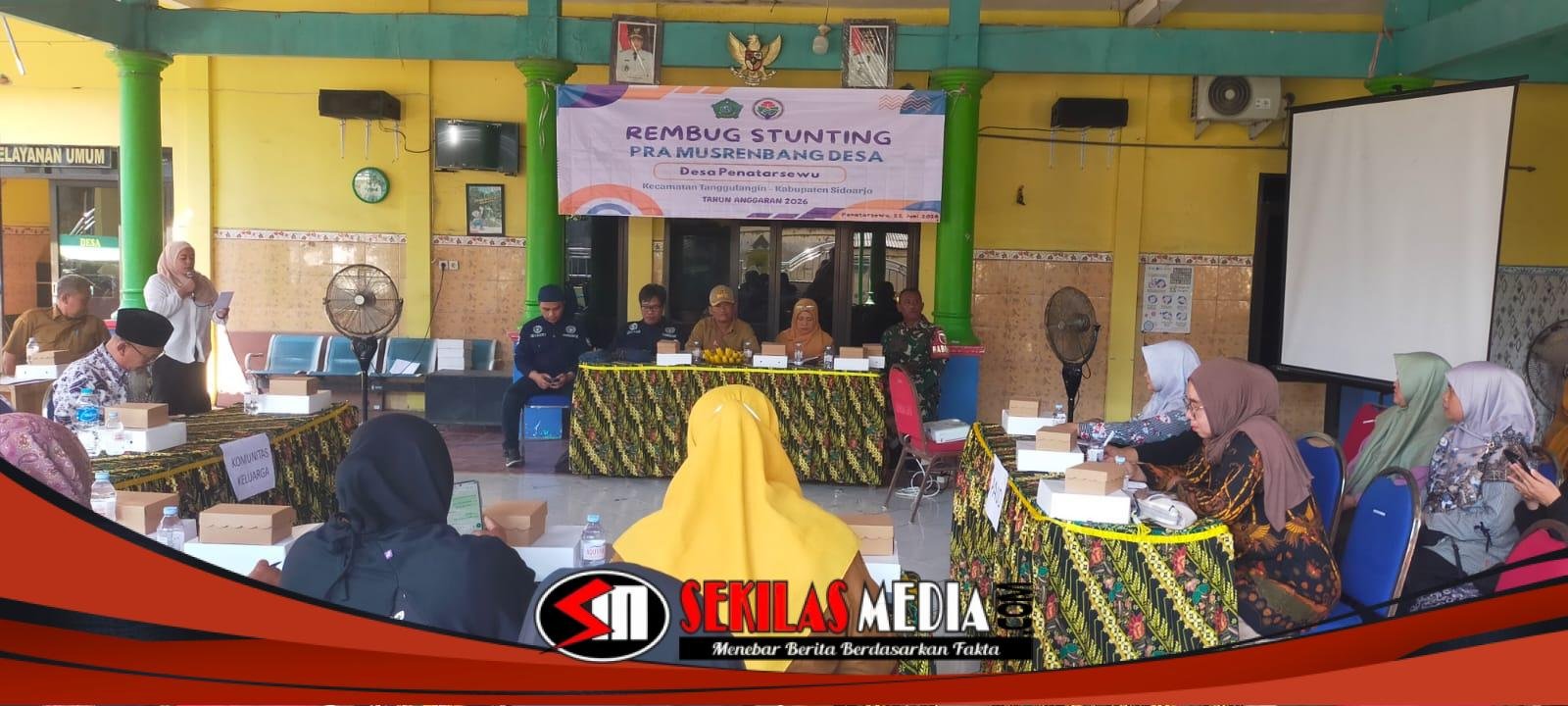
Penatarsewu Village Implements ABCDE Strategy to Combat Stunting in Sidoarjo
Stunting, a condition marked by impaired growth and development due to chronic malnutrition and recurring infections, remains a primary health focus in Tanggulangin, Sidoarjo. According to real-time data from the EPPGM application, the stunting rate in the district is currently stable at approximately 3.0%. Local government officials and health workers in Penatarsewu Village are actively implementing the ABCDE program to address these cases, which currently affect 15 balita (toddlers) in the village.
The ABCDE protocol used in Penatarsewu stands for: Active consumption of blood-supplement tablets (TTD), regular pregnancy check-ups for expectant mothers, sufficient intake of animal protein, exclusive breastfeeding support, and consistent evaluation of toddler growth and development.
How Local Authorities Are Addressing Stunting
To combat the prevalence of stunting, the Penatarsewu Village government has prioritized support for Posyandu (integrated healthcare center) cadres. According to Village Head M. Kholiq, these cadres participate in technical guidance and training sessions provided by the Tanggulangin Public Health Center (Puskesmas). Some cadres have already earned certifications ranging from beginner to advanced levels to improve the quality of care.

Secretary of Penatarsewu Village, Heriyanto, confirmed that the local government allocates specific budget funds to support these initiatives. This funding covers public awareness campaigns and the provision of supplemental nutrition for toddlers identified as stunted. Officials acknowledge that addressing this issue requires sensitive engagement, as some parents are hesitant to accept a stunting diagnosis for their children.
Samantha Carter notes that the “door-to-door” approach described by village officials is a critical component in public health interventions. By moving beyond clinic-based care to direct community outreach, health workers may overcome the social stigma that often prevents families from seeking early nutritional support. This localized strategy is essential for ensuring that the ABCDE program reaches the most vulnerable households.
What May Happen Next
The continued commitment from the Penatarsewu government and the use of the EPPGM reporting system could lead to a more precise, data-driven approach to identifying at-risk children. If the village maintains its current intensity in providing supplemental nutrition and monitoring, officials may see a downward trend in the number of recorded stunting cases. Future efforts are likely to continue focusing on consistent, individual-level follow-ups to ensure that the 15 currently identified toddlers receive the necessary care to meet standard growth markers.
Frequently Asked Questions
What is the current stunting rate in the Tanggulangin district?
According to real-time data from the EPPGM application, the rate is stable at approximately 3.0%.

How many children are currently identified as stunted in Penatarsewu?
Village Head M. Kholiq reports that there are currently 15 toddlers in the village identified as having stunting.
What methods do health cadres use to reach families?
Because some parents are reluctant to label their children as stunted, cadres conduct door-to-door visits to provide socialization and direct assistance to affected families.
How do you believe community-led health initiatives change the way families interact with local medical services?