
Peru Election: Leftist Candidate Proposes Full Vote Recount Amid Tight Race
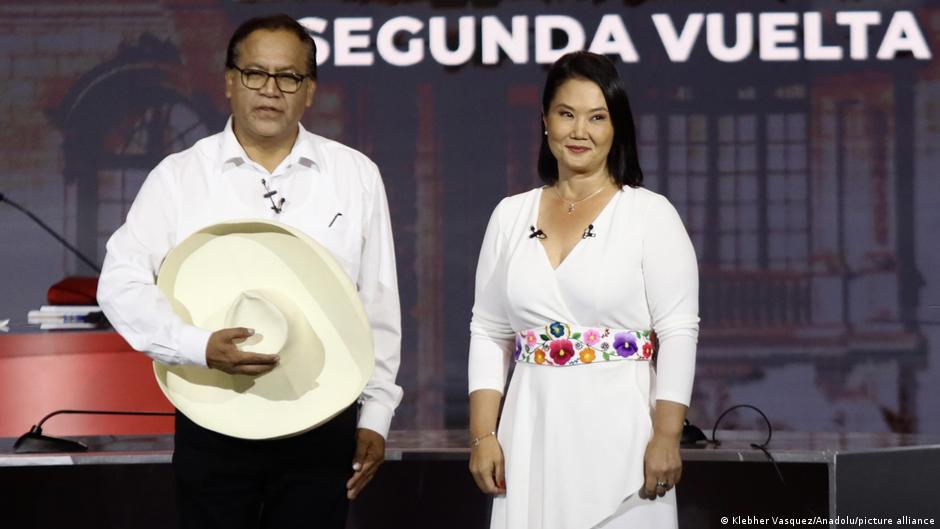
Leftist presidential candidate Roberto Sánchez proposed a full recount of Peru’s second-round election votes on Friday, June 12, 2026, amid an extremely tight race against right-wing rival Keiko Fujimori. With 98.27% of ballots processed, the National Office of Electoral Processes (ONPE) reports Fujimori leading with 50.005% of the vote compared to 49.995% for Sánchez, a margin of just over 1,600 votes out of 18 million cast.
The current electoral tension mirrors the 2021 presidential runoff between Pedro Castillo and Keiko Fujimori, where the final result was not determined until six weeks after the election.
The Path to a Potential Recount
Sánchez formally requested a joint review of the entire process, citing concerns regarding transparency in specific areas. According to the candidate, he seeks a comprehensive examination of the ballots to ensure the integrity of the results. However, the proposal faces significant procedural hurdles, as it requires acceptance by Fujimori and subsequent approval from electoral authorities.
Luis Galarreta, Fujimori’s vice-presidential candidate, rejected the proposal on Friday. He stated that his party would respect established electoral norms, noting that procedures for nullifications and recounts are strictly defined by law and cannot be initiated simply because a candidate requests them.
The delay in finalizing the results reflects the complexities of the Peruvian electoral system, where the validation of challenged ballots by the 60 Special Electoral Juries (JEE) is a standard, albeit time-consuming, practice. While the current margin is historically narrow, the process of resolving impugned acts is a routine legal safeguard designed to ensure that every valid vote is accounted for, even if it extends the waiting period for a final winner.
Current Status of the Electoral Count
While the ONPE continues the final phase of the count, 60 Special Electoral Juries are currently working to resolve thousands of ballots challenged by delegates from both Fuerza Popular and Juntos por el Perú. For instance, the JEE Lima Oeste 3, led by magistrate Víctor Arbulú, has begun public hearings to address these disputes, which include ballots invalidated due to offensive language written on them.
Keiko Fujimori has expressed that her team is waiting for these hearings to conclude, emphasizing that the process, while demanding patience, is intended to build confidence in the final outcome. Authorities estimate that the official results may take between two and three weeks to finalize, as the country navigates the review of observed and impugned records.
Frequently Asked Questions
What is the current vote difference between the candidates?
According to the ONPE, Fujimori leads with 50.005% of the vote, while Sánchez has 49.995%. This represents a margin of slightly more than 1,600 votes out of over 18 million counted.

Why is the final result taking several weeks?
The delay is caused by the mandatory review of thousands of ballots that were challenged or observed by party delegates, a legal process handled by 60 Special Electoral Juries that can last several days or weeks.
Has the proposal for a total recount been accepted?
No. Luis Galarreta, representing Keiko Fujimori, rejected the request, stating that the party will follow established legal procedures for challenges rather than pursuing an immediate total recount.
How do you think the extended waiting period for election results impacts public trust in the democratic process?