
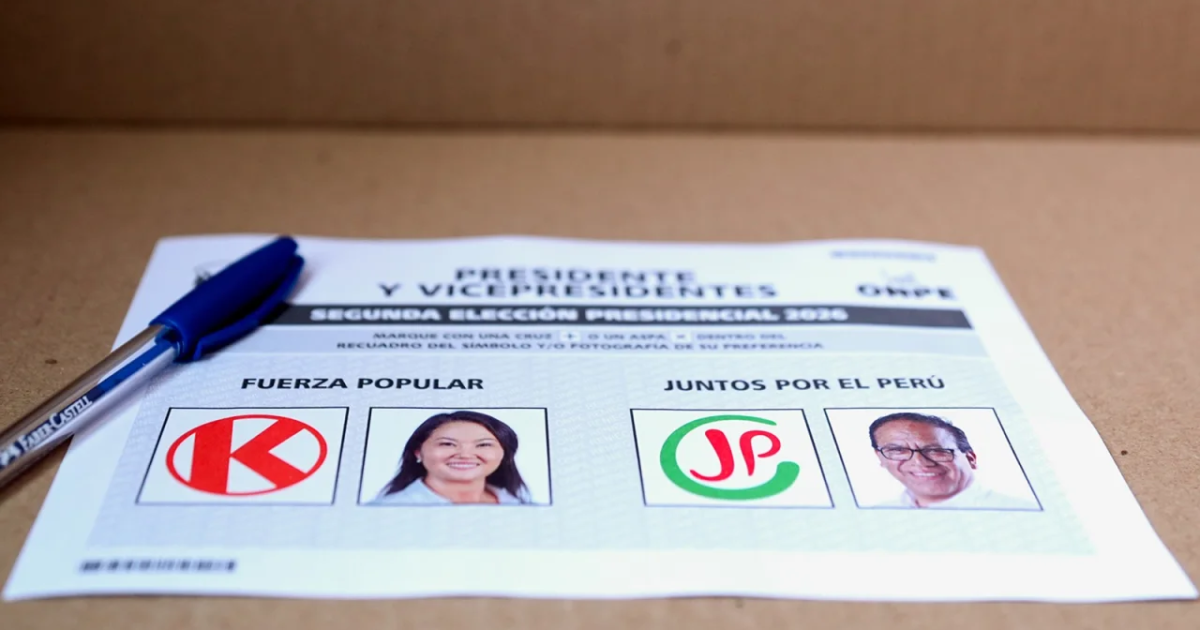
Peru Presidential Election: Fujimori and Sánchez in Tight Race
Keiko Fujimori leads Roberto Sánchez by 36,349 votes in Peru’s presidential runoff, according to the latest official tally. With 99.152% of ballots counted, Fujimori holds 50.100% of the vote compared to Sánchez’s 49.900%. The razor-thin margin follows a volatile counting process in a nation that has seen nine presidents in a single decade.
Why is the Peruvian election so closely contested?
The current vote split reflects a profound social and political divide. Keiko Fujimori, representing the right, campaigned on a hardline approach to crime and the legacy of her father. Roberto Sánchez, a left-wing candidate and political heir to the imprisoned former president Pedro Castillo, attempted to attract centrist voters by moderating his economic reform proposals.
According to Urpi Torrado, CEO of the research firm Datum Internacional, this election is driven by rejection rather than enthusiasm. Torrado stated that many Peruvian voters are simply choosing the “least worst” option because neither candidate offers a defined, widely accepted perspective for the country’s future.
How did the vote count shift over time?
The lead has swapped multiple times as different precincts reported. On Monday the 8th, Roberto Sánchez surged ahead, eventually leading by as many as 42,000 votes on Tuesday the 9th. However, the momentum shifted as more ballots were processed.
By Thursday the 11th, the gap narrowed to just 561 votes. The trend then shifted decisively toward Fujimori. By Wednesday the 17th, her lead grew to 36,349 votes. A significant factor in this shift is the overseas vote; according to official data, Fujimori leads the international tally with 63.2% compared to Sánchez’s 36.7%, with 97.3% of those ballots counted.
Comparative Vote Lead Timeline
- Monday (8th): Sánchez takes the lead.
- Tuesday (9th): Sánchez peaks with a ~42,000 vote lead.
- Thursday (11th): The race becomes a statistical tie (gap drops to <1,000).
- Wednesday (17th): Fujimori establishes a 36,349 vote lead.
What happens next for the incoming president?
Regardless of the final winner, the new administration faces a fragmented Congress and rising crime rates. Political analyst Jeffrey Radzinsky noted that the presidency has lost its weight in the collective imagination of the Peruvian people. He described the current environment as an “election without solid leadership” characterized by deep distrust in the electoral system.
The stability of the next term is highly questioned. Data indicates that nearly half of the Peruvian citizenry believes the next president will fail to complete their five-year mandate.
Frequently Asked Questions
Who is currently leading the Peru election?
Keiko Fujimori is leading with 50.100% of the vote, while Roberto Sánchez has 49.900%, according to the latest count of 99.152% of the urns.
Why is Peru’s government so unstable?
According to analyst Jeffrey Radzinsky, the country suffers from a crisis of political legitimacy, evidenced by nine presidents in ten years and widespread corruption scandals.
What is the difference between the two candidates?
Fujimori (right) focuses on hardline security and crime prevention. Sánchez (left) focuses on economic reform, though he has moderated his stance to attract investors and centrist voters.
Do you think Peru can break the cycle of presidential instability? Share your thoughts in the comments below or subscribe to our newsletter for more geopolitical analysis.