

Physical Activity for Obesity: Improving Heart Health Beyond Weight Loss
Global health data from the World Health Organization indicates that more than 1,000 million people worldwide are living with obesity, with the condition affecting 42% of adults in the United States. In response to this crisis, the American Heart Association (AHA) has released a review article in the journal Circulation that establishes physical activity as a central pillar in the treatment of obesity and the preservation of heart health.
Health Benefits Beyond the Scale
The study highlights a critical shift in how medical professionals should view exercise: its benefits are not solely dependent on weight loss. Regular physical activity improves blood pressure, cholesterol levels, and cardiorespiratory capacity in adults with obesity or overweight, regardless of whether they lose weight.
movement enhances insulin sensitivity—the body’s ability to utilize sugar for energy—and can elevate overall mood. These cardiometabolic improvements are vital because many adults with obesity already possess cardiovascular risk factors before beginning any formal treatment.
Recommended Activity Guidelines
To secure these cardiovascular benefits, the American Heart Association recommends a specific weekly regimen. Adults should aim for at least 150 minutes of moderate aerobic activity—such as cycling, swimming, or brisk walking—or 75 minutes of vigorous activity, such as running.
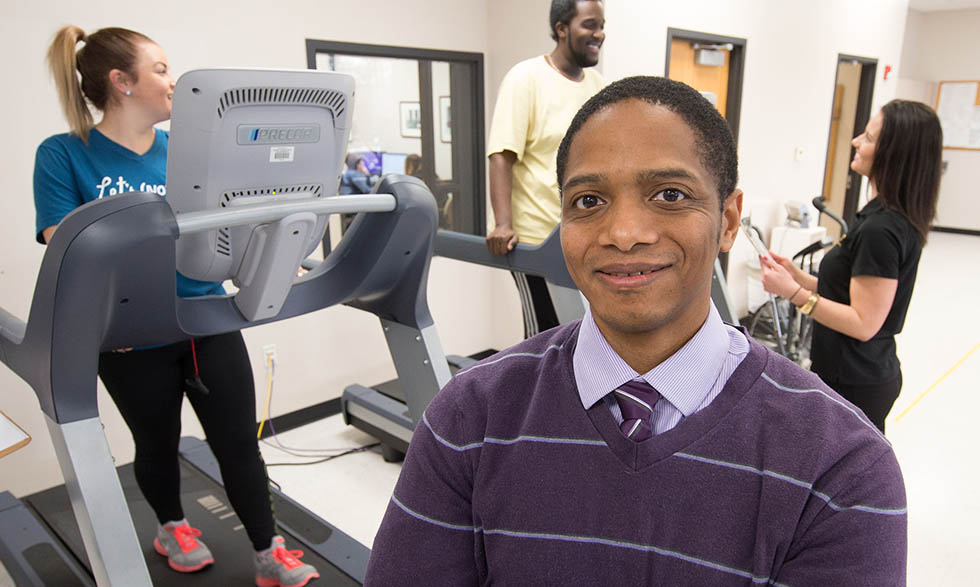
In addition to aerobic exercise, the guidelines suggest two days per week of strength training. These exercises, which can involve weights or one’s own body weight, are essential for maintaining muscle mass during health interventions.
The Synergy of Diet and Movement
While exercise is vital for health, experts clarify its role in weight reduction. Damon Swift, a doctor in kinesiology and coordinator of the research group, noted that for most people, cardiovascular exercise without dietary changes is unlikely to result in significant weight loss, as dietary changes remain the primary driver for reducing weight.
However, physical activity serves as a critical support system when integrated with other treatments, including healthy eating, surgery, or weight-loss medications. Even a modest weight reduction of around 3% can lead to improvements in cholesterol profiles and blood pressure.
Overcoming Barriers with Technology
Despite the known benefits, adherence to these guidelines remains low in the U.S., with only one in four adults and one in five adolescents (ages 6 to 17) meeting the recommendations. Stacey Rosen, volunteer president of the AHA, pointed to limited time and a lack of safe or convenient options for movement as primary obstacles.
To combat these challenges, “wearables”—including smartwatches, mobile apps, and sensor patches—are being utilized to track heart rate and steps. These tools are highlighted by researchers as effective means to improve motivation and help individuals track their goals.
A Collaborative Path to Wellness
Treating obesity is increasingly viewed as a multidisciplinary effort. Experts suggest that optimal results come from a collaborative team including physicians, psychologists, nutritionists, and physical therapists.
To guide this process, the study proposes the “5A” model: assess, advise, agree, assist, and arrange follow-up. This framework is designed to help healthcare providers assist patients in setting realistic and achievable goals.
Looking forward, the integration of the 5A model into standard primary care could lead to more personalized treatment plans. This approach may help patients maintain weight loss and protect cardiovascular health even if some weight is regained, as physical activity can preserve previous improvements in insulin sensitivity and blood pressure.
Frequently Asked Questions
What are the recommended weekly exercise levels for heart health?
The AHA recommends at least 150 minutes of moderate aerobic activity (like brisk walking) or 75 minutes of vigorous activity (like running), plus two days of strength training per week.
Can exercise alone lead to significant weight loss?
Dietary changes are the primary driver of weight loss. For most, exercise without diet changes will not result in large losses; achieving more than 5% weight loss via exercise alone requires 225 to 420 minutes of activity weekly.
What is the 5A model in obesity treatment?
The 5A model is a practical guide for health professionals to support patients through five steps: assess, advise, agree, assist, and arrange follow-up.
How do you balance your daily schedule to ensure you meet your weekly movement goals?