

PKM2-driven glycolysis mediates rotenone neurotoxicity via MG-Hs in Parkinson’s disease
Beyond Mitochondria: The New Metabolic Frontier in Fighting Parkinson’s Disease
For decades, the scientific community has viewed Parkinson’s disease (PD) primarily through the lens of mitochondrial failure. The narrative was simple: the “powerhouses” of the cell fail, dopaminergic neurons die and motor functions decline. But a groundbreaking shift is occurring. We are discovering that the path to neurodegeneration isn’t just about a lack of energy—it’s about a toxic detour in how our brains process fuel.
Recent research into rotenone—a potent environmental toxin often used to model PD—has revealed a hidden culprit: PKM2-driven glycolysis. This discovery suggests that when the brain is under stress, it doesn’t just lose power; it switches to a metabolic “emergency mode” that inadvertently poisons the cell.
The “Toxic Waste” Problem: Understanding MG-Hs
When the body’s primary energy production is disrupted, cells often pivot toward aerobic glycolysis. While this is a survival mechanism, it comes with a dangerous side effect in the brain. In the case of rotenone-induced toxicity, this shift is regulated by an enzyme called pyruvate kinase M2 (PKM2).
The real danger, however, isn’t the shift itself, but the byproduct. This accelerated glycolytic flux leads to the accumulation of methylglyoxal-derived hydroimidazolones (MG-Hs). Think of MG-Hs as metabolic “sludge”—irreversible cellular damage that triggers apoptosis (programmed cell death) in the very neurons responsible for movement and coordination.
This marks a pivotal trend in neurology: moving away from treating symptoms and moving toward “metabolic cleaning.” By targeting the accumulation of these toxic byproducts, researchers are opening a door to therapies that could actually stop the progression of the disease rather than just masking the tremors.
Shikonin: A Natural Shield for the Brain?
One of the most exciting developments in this field is the emergence of Shikonin, a compound derived from the roots of certain plants. Unlike traditional PD medications that focus on replacing dopamine, Shikonin acts as a precision tool. It specifically inhibits PKM2.
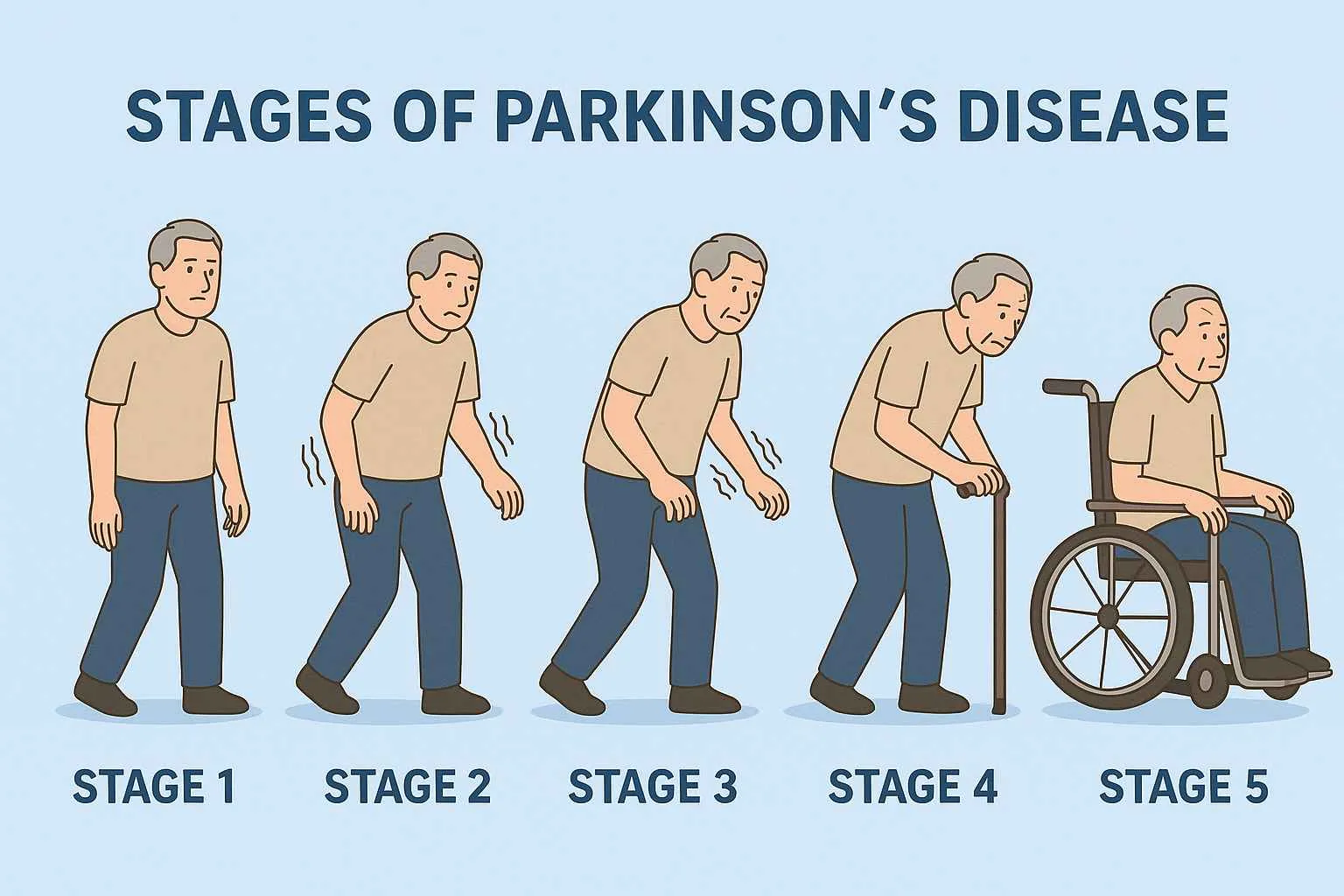
By blocking PKM2, Shikonin essentially shuts down the “toxic detour.” It suppresses the overactive glycolysis, prevents the buildup of MG-Hs, and protects the nigrostriatal dopaminergic neurons from dying. In animal models, this hasn’t just prevented cell death—it has robustly improved motor function.
This points to a broader future trend: Phyto-pharmacology. We are seeing a return to nature, but with a high-tech twist, using isolated plant compounds to target specific molecular pathways with surgical precision.
Future Trends: The Era of Disease-Modifying Therapies
The discovery of the PKM2-glycolysis-MG-Hs axis signals a transition toward Disease-Modifying Therapies (DMTs). For too long, PD treatment has been about managing the “deficit” (lack of dopamine). The future is about managing the “driver” (the metabolic dysfunction).
1. Precision Metabolic Profiling
We can expect a rise in diagnostic tools that measure metabolic markers in the cerebrospinal fluid. Instead of waiting for motor symptoms to appear, doctors may one day screen for early signs of glycolytic reprogramming or MG-Hs accumulation.
2. Combination “Cocktail” Therapies
The future of PD treatment likely won’t be a single pill. We are moving toward a combination approach: mitochondrial stabilizers to keep the power on, and PKM2 inhibitors (like Shikonin derivatives) to prevent the buildup of metabolic toxins.
3. Environmental Toxicology as Preventative Medicine
As we better understand how toxins like rotenone trigger specific pathways, public health policies may shift. We may see stricter regulations on agricultural chemicals based not just on general toxicity, but on their ability to trigger specific neurodegenerative metabolic pathways.
For more insights on the intersection of metabolism and brain health, check out our guide on metabolic health and cognitive decline or explore the latest research on neuroscience at Nature.
Frequently Asked Questions
What exactly is PKM2?
Pyruvate kinase M2 is an enzyme that helps regulate how cells break down glucose for energy. In certain disease states, it can drive a shift toward a type of metabolism that produces harmful byproducts.
Can Shikonin be taken as a supplement for Parkinson’s?
Currently, Shikonin is being studied in laboratory and animal models. It is not yet an FDA-approved treatment for humans. Always consult a medical professional before starting any new supplement.
What are MG-Hs and why are they dangerous?
Methylglyoxal-derived hydroimidazolones (MG-Hs) are advanced glycation end-products. They act as “cellular toxins” that cause irreversible damage to proteins and organelles, eventually leading to cell death in the brain.
Is Rotenone still used today?
While its use has been heavily restricted or banned in many countries due to its toxicity, it remains a critical tool in medical research to understand how Parkinson’s develops.
Join the Conversation
Do you think metabolic reprogramming is the key to curing neurodegenerative diseases? Or should we keep our focus on genetics? Let us know your thoughts in the comments below or subscribe to our newsletter for the latest breakthroughs in brain science!