

Plasma Donation Essential for Treating Argentine Hemorrhagic Fever
The Ministry of Health is calling for convalescent plasma donations to treat Argentine Hemorrhagic Fever (FHA). Because plasma from recovered patients is the only specific treatment available, securing a steady supply is vital for those facing acute infection, particularly within the first eight days of the disease.
Why is convalescent plasma critical for FHA?
Argentine Hemorrhagic Fever is a viral disease caused by the Junín virus. According to the Ministry of Health, the infusion of plasma from people who have recovered from the virus is currently the only specific treatment available for those suffering from the infection.
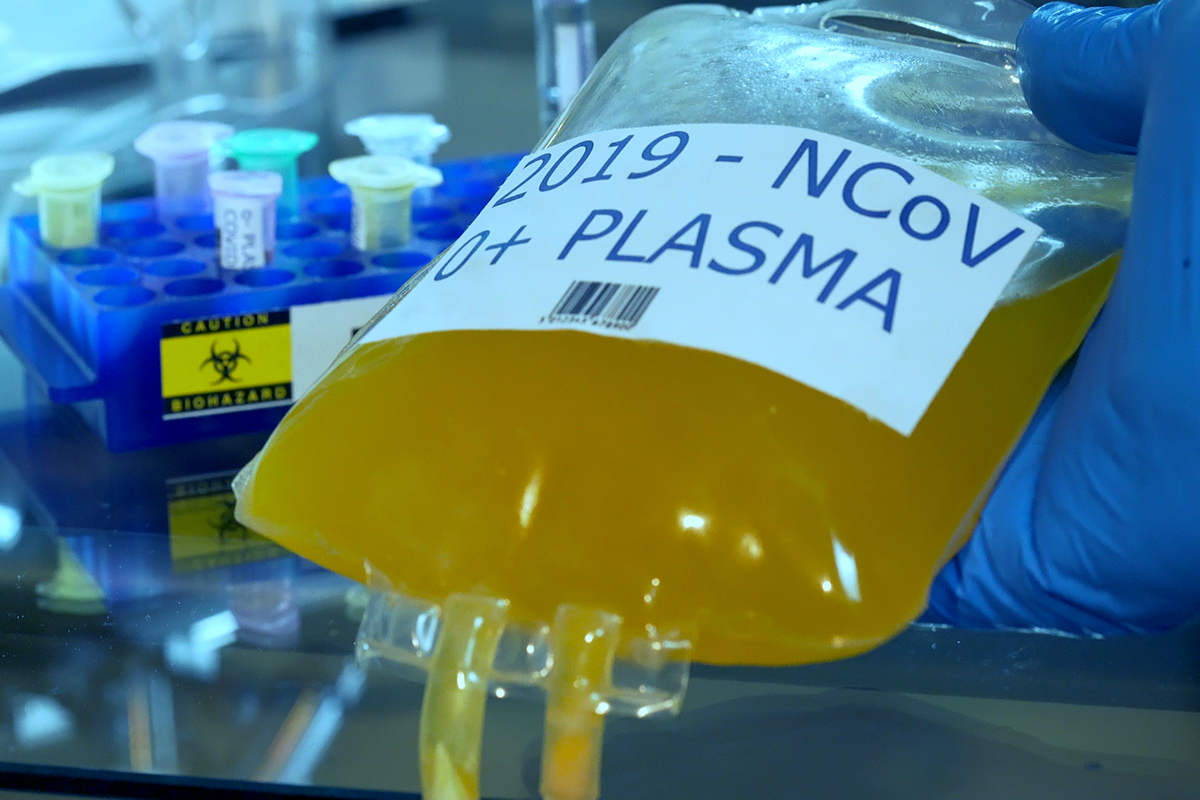
Timing is the most critical factor in patient survival. This treatment must be administered within the first eight days of the disease’s evolution, which makes early diagnosis and a ready supply of plasma essential.
Who can donate and how is the process handled?
Not everyone who has had the virus can donate. The Ministry of Health specifies that donors must be between 18 and 65 years old with a confirmed FHA infection. They must have been recovered for at least one year, weigh over 50 kilograms, and be in good health without medical contraindications.
The collection process uses a technique called apheresis. This is a safe method that allows medical staff to separate and collect only the plasma component of the blood for therapeutic use.
Where can people find donation centers in Córdoba?
In Córdoba Capital, interested donors can visit the Banco Central de Sangre at Rosario de Santa Fe 374 (Viejo Hospital San Roque) or call 351-2480189 for guidance.
Those in the provincial interior can contact the hemotherapy services at their respective provincial hospitals. The Ministry of Health is also conducting specific outreach operations in June:
- June 9: Cintra Dispensario Municipal, Rivadavia 691, starting at 9:00.
- June 22: Bell Ville Hospital Regional José A. Ceballos, Jerónimo del Barco 1300, starting at 9:00.
What could happen next with FHA management?
If the Ministry of Health successfully identifies more potential donors through its permanent recruitment actions, the available resource pool for acute cases could increase. This may lead to a more robust response time for patients in endemic zones like Buenos Aires, Santa Fe, Córdoba, and La Pampa.

A possible next step involves a continued focus on early diagnosis. Because the treatment’s effectiveness is tied to the first eight days of infection, improved detection speeds could potentially improve the outcomes of the plasma therapy.
Frequently Asked Questions
What causes Argentine Hemorrhagic Fever?
It is a viral disease caused by the Junín virus, which is carried by the Calomys musculinus rodent.
Can FHA be spread from person to person?
According to the provided information, contagion between people is exceptional.
What are the requirements to donate plasma for FHA?
Donors must be 18-65 years old, have a confirmed FHA infection, be recovered for at least one year, weigh over 50kg, and be in good health.
Do you live in an area where you are aware of the local wildlife and environmental health risks?