
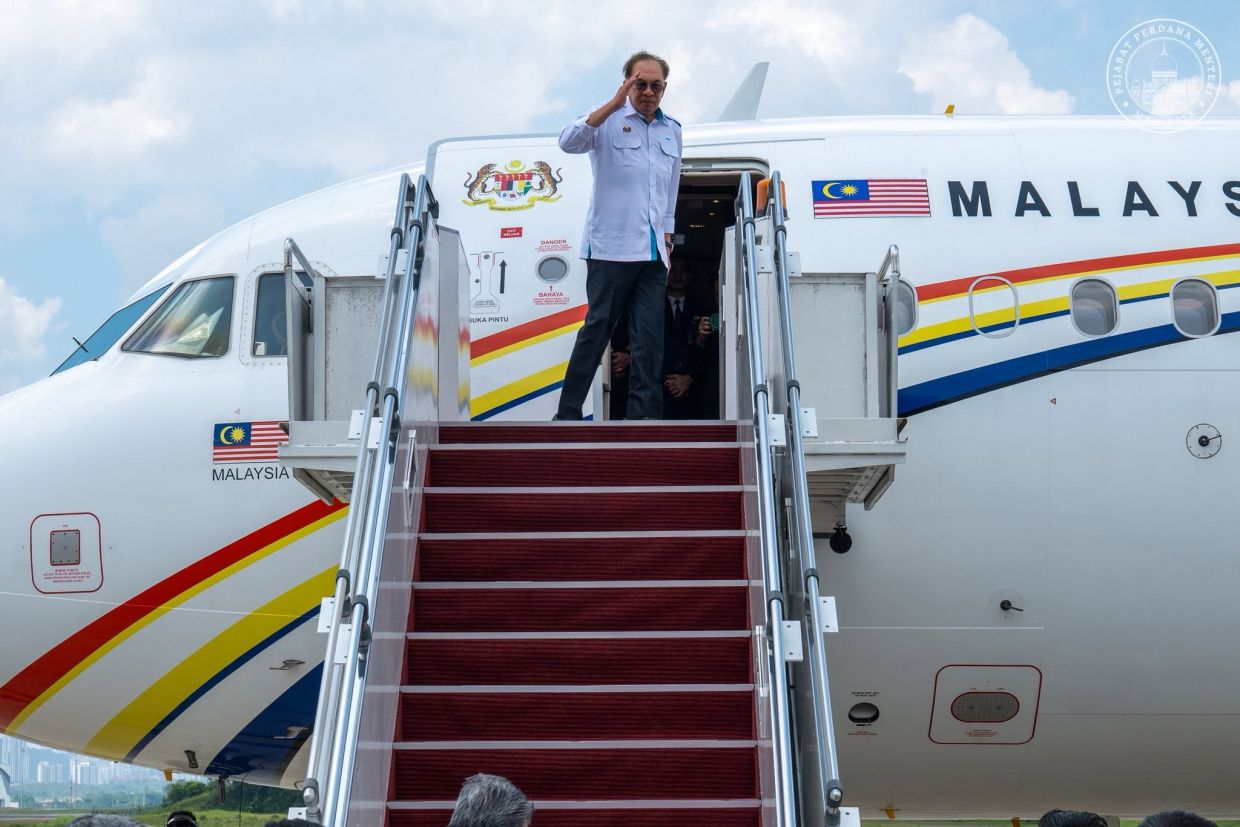
PM departs for Asean-Russia Commemorative Summit in Kazan
Prime Minister Datuk Seri Anwar Ibrahim is leading a Malaysian delegation to Kazan, Russia, for the Asean-Russia Commemorative Summit to mark 35 years of diplomatic relations. According to Wisma Putra, the visit focuses on strengthening the Asean-Russia Strategic Partnership through enhanced cooperation in trade, energy, food security, and the digital economy.
Why the Asean-Russia Strategic Partnership is evolving
The relationship between Asean and Russia began in Kuala Lumpur in 1991. Now, 35 years later, the focus has shifted from basic diplomatic recognition to what Wisma Putra describes as “practical cooperation.”

This evolution reflects a broader trend where Asean nations seek to diversify their strategic partnerships. By engaging with Russia in Kazan, Malaysia is positioning itself as a bridge for trade and investment between Southeast Asia and Eurasia.
The current delegation includes Investment, Trade and Industry Minister Datuk Seri Johari Abdul Ghani and Economy Minister Akmal Nasrullah Mohd Nasir. Their presence suggests that the primary goal is economic integration rather than purely political dialogue.
How energy and food security will drive future trade
Wisma Putra listed energy and food security as core pillars of the upcoming discussions. These sectors are critical as global supply chains remain volatile.
Russia remains one of the world’s largest exporters of oil, natural gas, and fertilizers. For Asean nations, securing stable energy imports and agricultural inputs is a priority to combat inflation and ensure domestic food stability.
Future trends suggest a move toward long-term energy contracts and joint ventures in science and technology to improve crop yields. This shift aims to reduce reliance on any single geographic region for essential commodities.
What the digital economy and tech cooperation look like
The Russia-Asean Business Forum will specifically address the digital economy and science and technology. According to the official program, these discussions aim to chart a future direction for the Asean-Russia Strategic Partnership.
Trends in this sector include the development of independent digital payment systems and cybersecurity frameworks. As Asean pushes for digital transformation, collaborating on technical standards and education can accelerate local innovation.
The inclusion of “people-to-people exchanges” and “education” in the summit’s agenda indicates a strategy to build a technical workforce capable of managing these new digital infrastructures.
The role of Turkmenistan in Malaysia’s diplomatic strategy
Following the Kazan summit, Prime Minister Anwar Ibrahim will visit Ashgabat, Turkmenistan, at the invitation of President Serdar Berdimuhamedow. This move extends Malaysia’s reach into Central Asia.
Turkmenistan holds some of the world’s largest natural gas reserves. A visit of this nature typically signals an interest in expanding energy imports and exploring new trade routes that bypass traditional bottlenecks.
By linking the Asean-Russia summit with a visit to Turkmenistan, Malaysia is executing a coordinated strategy to strengthen ties across the entire Eurasian landmass.
Comparison: Diplomatic Focus Then vs. Now
| Focus Area | 1991 (Establishment) | Present (Kazan Summit) |
|---|---|---|
| Primary Goal | Diplomatic Recognition | Practical Cooperation |
| Key Sectors | Political Dialogue | Energy, Tech, Food Security |
| Scope | Bilateral Ties | Strategic Partnership (Bloc-level) |
Frequently Asked Questions
Who is accompanying the Prime Minister to Russia?
Datuk Seri Johari Abdul Ghani (Investment, Trade and Industry Minister) and Akmal Nasrullah Mohd Nasir (Economy Minister), along with officials from the Prime Minister’s Office and the Foreign Ministry.
What is the purpose of the Asean-Russia Commemorative Summit?
The summit marks the 35th anniversary of Asean-Russia relations and aims to review progress and plan future cooperation in trade, energy, and technology.
Why is the visit to Turkmenistan significant?
It follows the Russia summit and involves an official invitation from President Serdar Berdimuhamedow, focusing on bilateral benefits and potential returns for Malaysia.
How do you think stronger ties with Eurasia will affect local trade?