
Poland, Lithuania, and France Conduct Military Drills to Secure Suwalki Gap
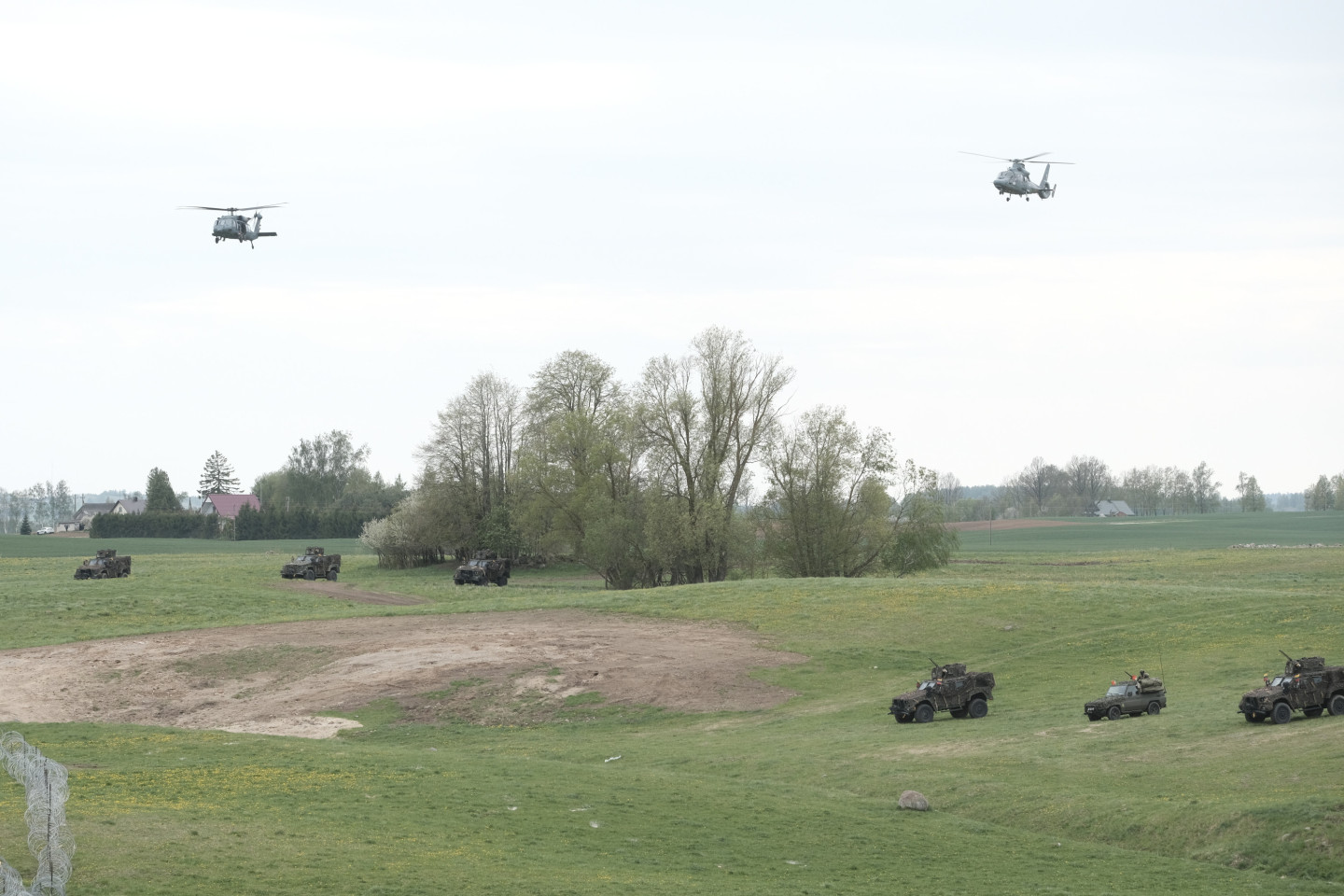
Lithuania, Poland, and France are conducting “Gallant Boar” military exercises from June 16 to 26 near the Suwalki Gap. According to LRT and Deutsche Welle (DW), the drills focus on joint infantry operations and synchronizing allied actions to secure the strategic corridor connecting the Baltic states to the rest of the European Union.
Why is the Suwalki Gap a strategic priority?
The Suwalki Gap is a strip of land less than 100 kilometers wide located along the border of Poland and Lithuania. According to reports, it is a critical link between the Baltic states and EU territory.

EU and NATO officials express concern that Russia could attempt to seize the corridor during a confrontation. Such a move would effectively cut off Lithuania, Latvia, and Estonia from other NATO allies. Because of this vulnerability, Poland and Lithuania maintain strict security in the area and conduct regular military drills.
How are allied defenses evolving in the region?
Lithuania is expanding its physical infrastructure to deter aggression. The Lithuanian parliament approved the construction of a military training ground near the gap in April 2026, with completion expected by 2028. The facility will be capable of hosting up to 4,000 soldiers.

On the operational side, Reuters reported that NATO plans to implement a new command structure. This system is designed to accelerate the deployment of military forces into Latvia and Estonia if Russian military escalation occurs.
The current “Gallant Boar” exercises involve specific units, including the Žemaitija Infantry Brigade and the Grand Duke Butigeid Mechanized Dragoon Battalion from Lithuania.
What evidence suggests Russian preparation for conflict?
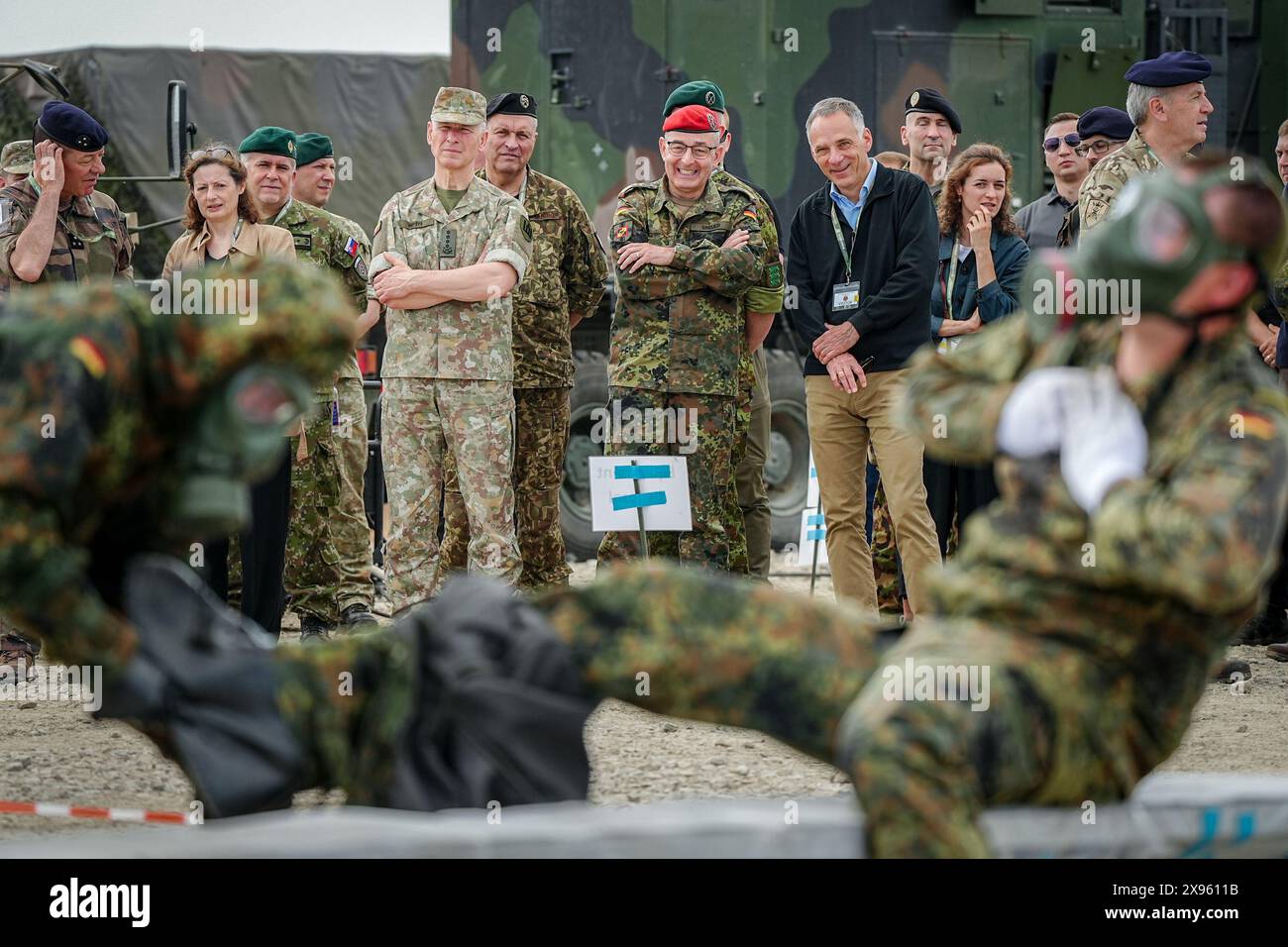
Bundeswehr Inspector General Carsten Breier told DW in early June that Russian armed forces are concentrated in positions facing the West. Breier noted increases in both personnel and armor, suggesting a potential culmination of these efforts by 2029.
Satellite imagery published by NRK, SVT, DR, and Delfi confirms the expansion of existing military bases or the construction of new ones along Russia’s western border. Defense expert Marko Eklund stated these images indicate Russia may plan to station approximately 115,000 troops in these areas following the war in Ukraine.
Will Russia risk a direct confrontation with NATO?
Perspectives on the likelihood of conflict vary among military leaders. While analysts point to troop build-ups, U.S. Army General Alex Grinkevičs, NATO Allied Supreme Commander Europe, believes Moscow will not seek open confrontation.
According to Grinkevičs, the Kremlin recognizes that NATO possesses “several asymmetric advantages” that would lead to a Russian failure in a direct clash.
Frequently Asked Questions
What is the purpose of the “Gallant Boar” exercises?
The exercises, held June 16–26, aim to practice joint infantry operations and synchronize allied actions between Lithuania, Poland, and France near the Suwalki Gap.
What is the significance of the 2029 date mentioned by Carsten Breier?
Based on the increase in Russian armor and personnel facing the West, Bundeswehr Inspector General Carsten Breier suggests that military preparations could reach a culmination by 2029.
How many troops does Russia plan to station on its western border?
Defense expert Marko Eklund stated that satellite imagery suggests Russia plans to deploy approximately 115,000 soldiers along its European borders after the war in Ukraine.
How should NATO balance infrastructure growth with diplomatic deterrence in Eastern Europe?