
Poland to Revoke Zelenskiy’s Highest State Honor Over UPA Controversy
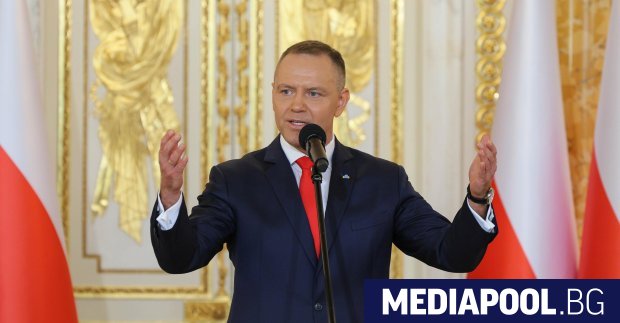
Polish official Karol Nawrocki has announced the revocation of the Order of the White Eagle, Poland’s highest state honor, previously awarded to Ukrainian President Volodymyr Zelenskyy. The decision follows Zelenskyy’s recent decree naming a Ukrainian Special Operations Forces unit after the Ukrainian Insurgent Army (UPA), a group blamed for mass killings of Polish citizens during World War II. While Warsaw maintains its military support for Ukraine against Russian aggression, the move marks a significant diplomatic friction point regarding historical memory.
Why is Poland revoking the honor?
The revocation centers on the historical legacy of the Ukrainian Insurgent Army (UPA). According to Karol Nawrocki, the UPA remains a symbol of “cruel crimes” against Polish citizens in the minds of most Poles. In 2016, the Polish parliament officially recognized the actions of the UPA during the 1940s and 1950s as genocide. By formalizing the UPA name within the modern Ukrainian military structure, critics argue that Kyiv is glorifying a group responsible for mass ethnic violence, an act that has triggered widespread indignation across Polish society.
The Order of the White Eagle, which Zelenskyy received in 2023 from then-President Andrzej Duda, is the oldest and highest decoration in Poland, traditionally awarded to both civilians and military personnel for exceptional service to the state.
How are officials responding to the diplomatic strain?
The political response is divided between historical sensitivity and strategic necessity. Polish Prime Minister Donald Tusk has expressed criticism of the Ukrainian decree, though he cautioned that the resulting tension could be exploited by Russian President Vladimir Putin. Conversely, Ukrainian Foreign Minister Andriy Sybiha framed the revocation as a “strategic mistake,” asserting that such moves only benefit Moscow’s interests. Despite this tension, Poland continues to host international efforts for the post-war reconstruction of Ukraine, with Zelenskyy expected to attend upcoming high-level discussions in Warsaw.
What are the long-term implications for bilateral relations?
The disagreement highlights a recurring challenge in Eastern European diplomacy: balancing modern military alliances with unresolved historical grievances. While Poland remains a staunch supporter of Ukraine’s defense against Russia, the issue of historical memory acts as a persistent wedge. Precedents in regional politics suggest that such disputes often complicate international cooperation, as domestic public opinion in Poland holds significant weight in state decisions. The current situation tests whether the two nations can compartmentalize historical disputes while maintaining a unified front against external threats.
Pro Tips for Understanding Regional Diplomatic Tensions
- Monitor Official Statements: Watch for shifts in the rhetoric from the Polish Prime Minister’s office, as they often balance nationalist sentiment with broader European security goals.
- Follow Historical Commissions: Pay attention to joint Polish-Ukrainian historical working groups, which are the primary venues for addressing these sensitive memory issues.
Frequently Asked Questions
- What is the UPA?
- The Ukrainian Insurgent Army (UPA) was an organization that fought for independence against both Soviet and Nazi forces during the 1940s, but is also held responsible by Poland for the mass killing of Polish civilians.
- Has Poland stopped supporting Ukraine?
- No. According to Karol Nawrocki, the revocation of the honor does not signal a decrease in Poland’s commitment to supporting Ukraine’s defense against Russian forces.
- Why did Zelenskyy receive the award originally?
- Volodymyr Zelenskyy was awarded the Order of the White Eagle in 2023 for his contributions to regional security, resilience, and the protection of human rights.
What do you think about the balance between historical memory and modern alliances? Join the conversation in the comments section below.
