
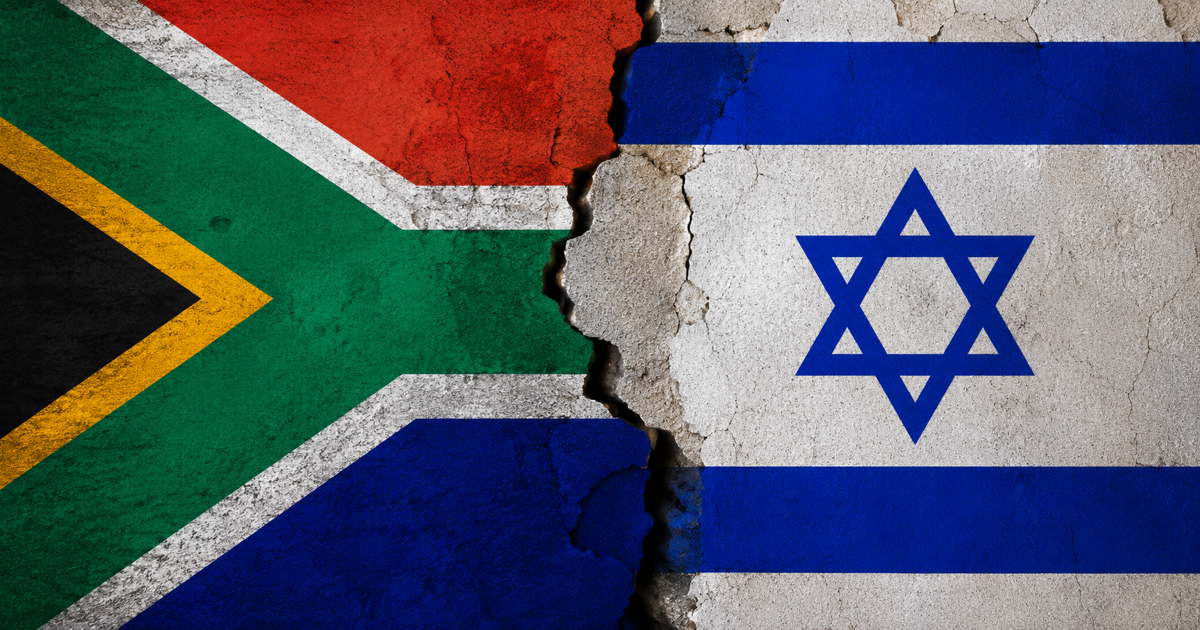
Political analyst claims South Africa miscalculated cost of ICJ case against Israel
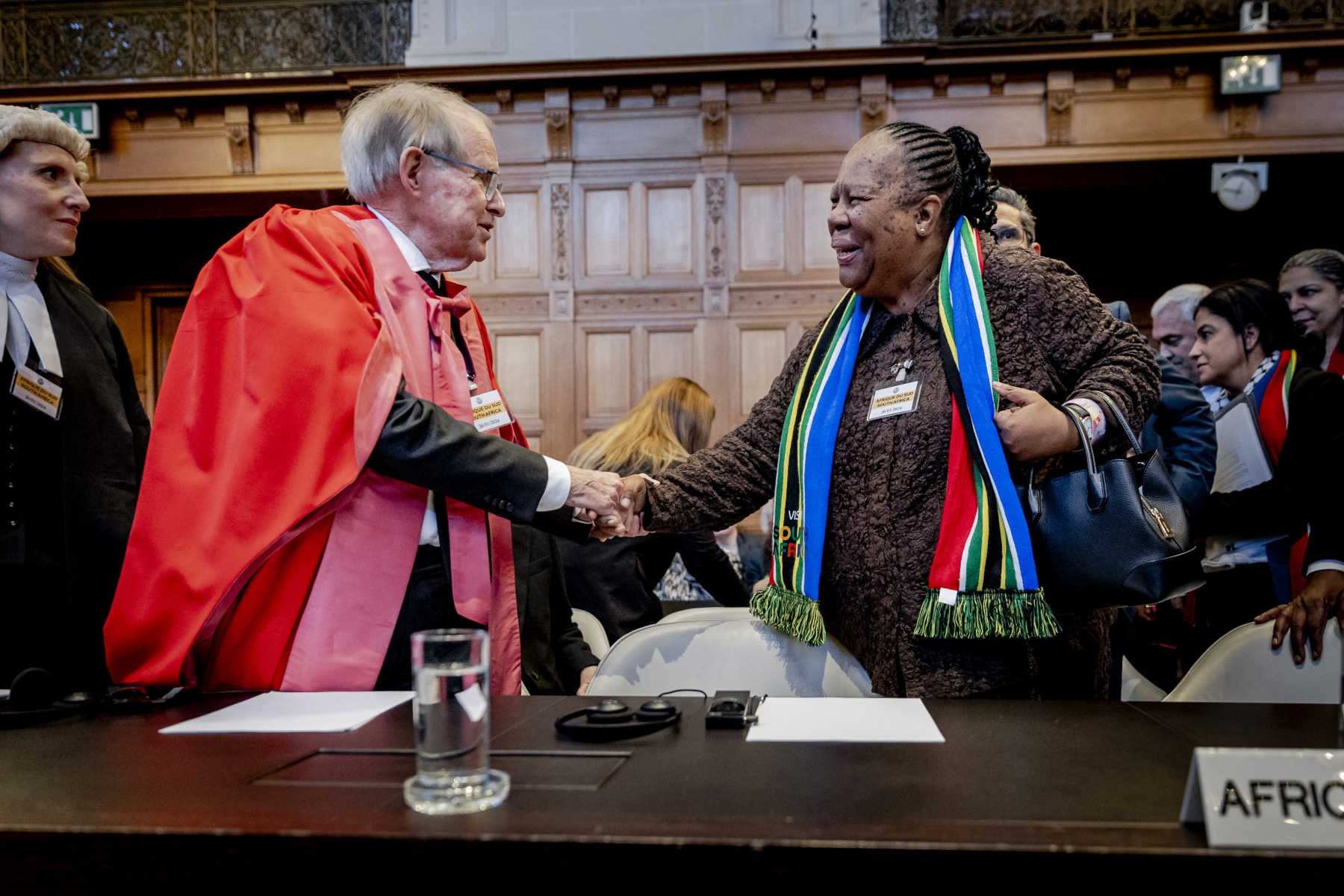
South Africa’s decision to take Israel to the International Court of Justice (ICJ) has exposed the country to increased international pressure and domestic instability, according to analyst Mashele. Speaking on 702, Mashele argued that the government failed to calculate the geopolitical costs of the move amid existing economic weakness and a shifting global power balance.
Why did South Africa’s ICJ case against Israel create diplomatic risks?
South Africa attracted “unwanted attention” from the United States by pursuing the case against Israel over the war in Gaza, according to Mashele. He argued that the government underestimated the consequences of the move, which occurred while the country faced significant domestic political and economic fragility.
Mashele claims the decision was partially driven by a desire to improve the ANC’s moral standing with the South African public. However, he stated this calculation failed, asserting that the standing of the government—specifically the ANC component—has actually worsened in the eyes of its citizens.
The move comes during a period of global realignment. Mashele described the current environment as one of significant change, marked by volatile tensions involving the U.S., Iran, Israel, Russia, and China.
What is driving the immigration crisis in South Africa?
The current migration tensions in South Africa stem from the “collapse of the South African state” rather than interference from foreign powers, Mashele told 702. He argued that the government has lost control over its borders, public institutions, and basic service delivery.
This state failure has created a volatile environment where local residents must compete with migrants for limited jobs and services. Mashele noted that employers are increasingly hiring foreign nationals because they are often willing to accept lower wages and are less likely to be unionized.
The role of state failure vs. foreign influence
While some suggest external actors fuel xenophobic sentiment, Mashele rejects this. He points to concrete failures in governance as the primary catalyst. When public institutions fail to provide security or infrastructure, frustration manifests as anger toward immigrant populations.
How are political battles between the ANC, MK Party, and EFF evolving?
Internal ANC dynamics are currently focused on shielding President Cyril Ramaphosa from the political fallout of the Phala Phala controversy. Mashele claimed the party is determined to halt parliamentary processes that could lead to consequences for the president.
Meanwhile, the MK Party is described by Mashele as a “political vehicle” centered on former president Jacob Zuma. He questioned the party’s long-term viability, arguing it lacks the structure of a sustainable political organization and remains entirely dependent on Zuma’s leadership.
Mashele also criticized Economic Freedom Fighters (EFF) leader Julius Malema. He argued that opposition parties are leveraging the ANC’s internal crises not necessarily to fix the state, but to advance their own political interests.
Will the June 30 anti-immigration protests change policy?
Planned anti-illegal immigration actions on June 30 are unlikely to be a turning point, according to Mashele. He predicted the day would pass without dramatic shifts in government policy or systemic change.

Mashele suggested that movement leaders want to avoid the legal consequences and responsibility associated with violence. However, he warned that the underlying drivers of public anger—namely unemployment and poor service delivery—will remain unresolved regardless of the demonstrations.
Frequently Asked Questions
No. According to Mashele, the government’s calculation that the move would strengthen its moral standing at home failed, and the ANC’s public standing has worsened.
He attributes the crisis to the collapse of the South African state, specifically the loss of border control and the failure of public service delivery.
Mashele argues it is not; he views it as a vehicle for Jacob Zuma rather than a sustainable organization with long-term viability.
Join the Conversation: Do you believe South Africa’s geopolitical moves are helping or hindering its domestic recovery? Share your thoughts in the comments below or subscribe to our newsletter for more deep-dives into African politics.