

Pope Francis Calls for Catholic-Jewish Collaboration to Foster Peace and Aid the Needy
Pope Leo XIV met with representatives from the United Jewish Appeal-Federation of New York to discuss humanitarian relief, interfaith cooperation, and the ongoing effort to foster global peace. During the session, the Pope emphasized that service to the vulnerable—including refugees, the elderly, and those with disabilities—serves as a vital framework for bridging religious divides and addressing social conflict.
The Role of Interfaith Cooperation
According to the Vatican, the meeting highlighted how collaborative humanitarian work acts as a practical expression of respect for human dignity. Pope Leo XIV stated that assisting those in difficult life situations strengthens societal bonds and promotes solidarity across different religious traditions. By focusing on shared charitable goals, religious groups may be better positioned to reduce the effects of hatred and exclusion in an increasingly fractured world.
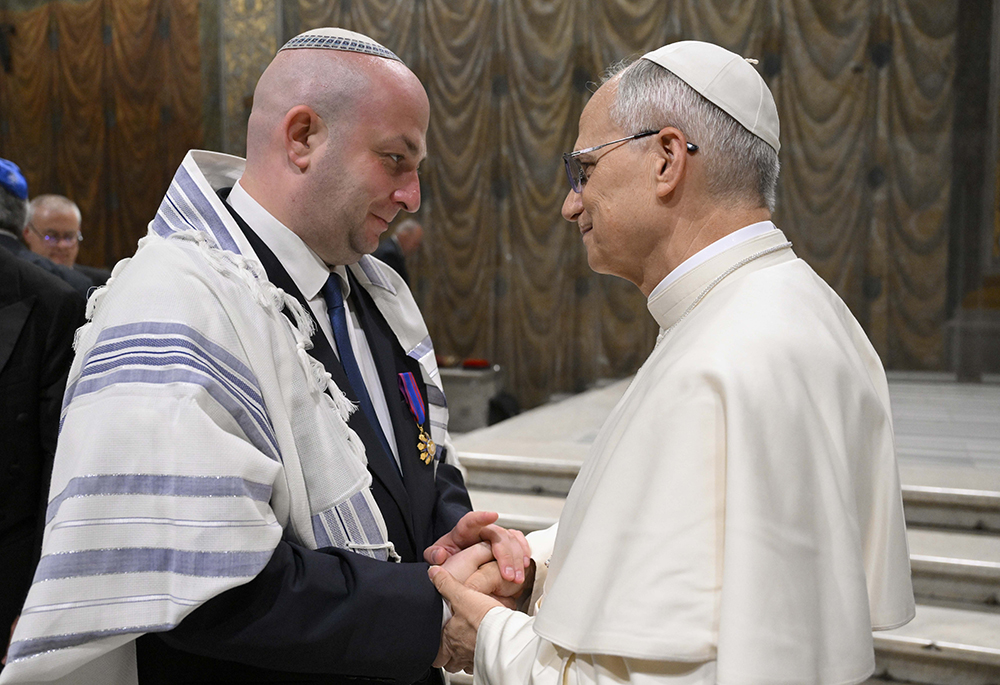
The collaboration between the Catholic Church and Jewish organizations has a legacy spanning over six decades, tracing back to a historic meeting between representatives of the federation and Pope John XXIII.
Historical Context of Catholic-Jewish Relations
The dialogue between the two groups is anchored in the Second Vatican Council’s declaration, Nostra aetate. Pope Leo XIV noted that this document remains a significant foundation for modern relations, as it established a firm stance against antisemitism and rejected all forms of discrimination based on race, color, social condition, or religion. The Pope suggested that the principles outlined in this declaration continue to provide a necessary framework for navigating contemporary tensions and global conflicts.
Samantha Carter notes that the emphasis on Nostra aetate signals a strategic continuity in Vatican policy, prioritizing long-term interfaith trust over short-term diplomatic fluctuations. By tying humanitarian aid to the concept of “meeting the sacred” through the poor—a theme from the apostolic exhortation Dilexi te—the leadership is likely attempting to frame social work as a primary, rather than secondary, pillar of international diplomacy.
Future Implications for Humanitarian Efforts
As the United Jewish Appeal-Federation of New York continues its operations across the United States, Israel, and more than 70 other countries, the focus remains on tangible outcomes for those in need. Observers may expect that continued high-level engagement between such large-scale philanthropic organizations and the Vatican could lead to increased joint initiatives in regions facing humanitarian crises. Such cooperation is viewed as a potential mechanism to foster a “culture of encounter” that aims to override long-standing systemic disagreements.

Frequently Asked Questions
What is the United Jewish Appeal-Federation of New York?
It is one of the world’s largest Jewish philanthropic organizations, providing support for social and humanitarian projects in the United States, Israel, and over 70 other nations.
What was the primary purpose of the meeting with the Pope?
The meeting focused on discussing aid for the poor, refugees, and the elderly, while exploring how interfaith dialogue can promote peace and combat discrimination.
Why is the Nostra aetate declaration significant to this dialogue?
According to the Pope, it serves as the foundational document for Catholic-Jewish relations, explicitly rejecting antisemitism and all forms of discrimination based on religious or social status.
How might the alignment of humanitarian objectives between these groups shift the approach to international conflict resolution?