
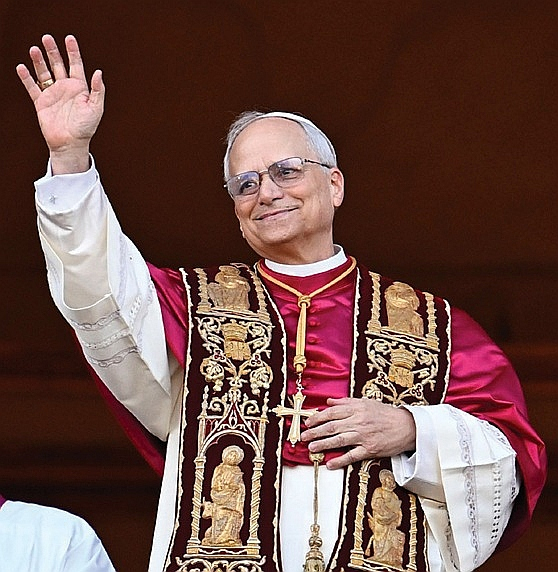
Pope Leo XIV Issues Encyclical Warning of AI Risks and Ethical Dangers
Pope Leo XIV has officially released his first encyclical, a landmark document titled “Magnifica Humanitas,” which establishes a theological and ethical framework for the future of artificial intelligence. In this sweeping treatise, the pontiff warns that while the technology serves as a “valuable instrument” across various fields, its current trajectory poses significant risks to humanity if left unchecked.
The Ethics of Power and Control
A central concern raised in the encyclical is the concentration of power within the hands of a few. The Pope argues that the benefits of AI are currently distributed unevenly, largely favoring wealthy individuals and influential groups. According to the document, these entities possess the ability to “shape information and consumption patterns, influence democratic processes and steer economic dynamics for their own benefit.”
The pontiff warns that these powerful groups risk dictating a singular moral vision for the rest of society. He calls for a shift toward “clear criteria and effective oversight, based on participation and subsidiarity” to ensure that AI development remains grounded in human values rather than the interests of a select minority.
Conflict and Autonomous Systems
The encyclical takes a firm stance against the use of AI in military applications. Pope Leo XIV explicitly states that “This proves not permissible to entrust lethal or otherwise irreversible decisions to artificial systems.” This warning highlights the growing friction between ethical frameworks and the push for autonomous weaponry.
The document arrives amid a backdrop of tension, noting that the company Anthropic has faced challenges from the U.S. Administration due to its refusal to permit its AI models to be utilized in automated weapon systems or population surveillance. U.S. President Donald Trump has previously expressed criticism regarding both the Pope’s position and the policies of the company.
Future Implications
Looking ahead, the call for “rigorous ethical constraints” may influence how international regulatory bodies approach AI governance. If the demand for participant-based oversight gains traction, technology companies could face increased pressure to adopt more transparent development cycles. Conversely, the ongoing friction between political administrations and private firms over the use of AI in security suggests that the debate over the limits of machine decision-making is likely to intensify.
Frequently Asked Questions
What is the core message of “Magnifica Humanitas”?
The document warns that while AI is a valuable tool, it must be guided by clear ethical criteria and oversight to prevent it from being used by a few powerful entities to manipulate democratic and economic processes.
What is the Pope’s stance on AI in warfare?
The Pope is strictly against the use of AI in military contexts, stating that machines should never be trusted with decisions regarding life, and death.
Why is the involvement of Anthropic significant?
The presence of co-founder Chris Ola at the Vatican presentation highlights the ongoing tension between private technology firms that prioritize AI safety and government entities seeking to utilize these systems for surveillance and defense.
How do you believe society should balance the rapid advancement of technology with the need for ethical oversight?