

Pope Leo XIV Returns to Rome via King of Spain’s Private Plane
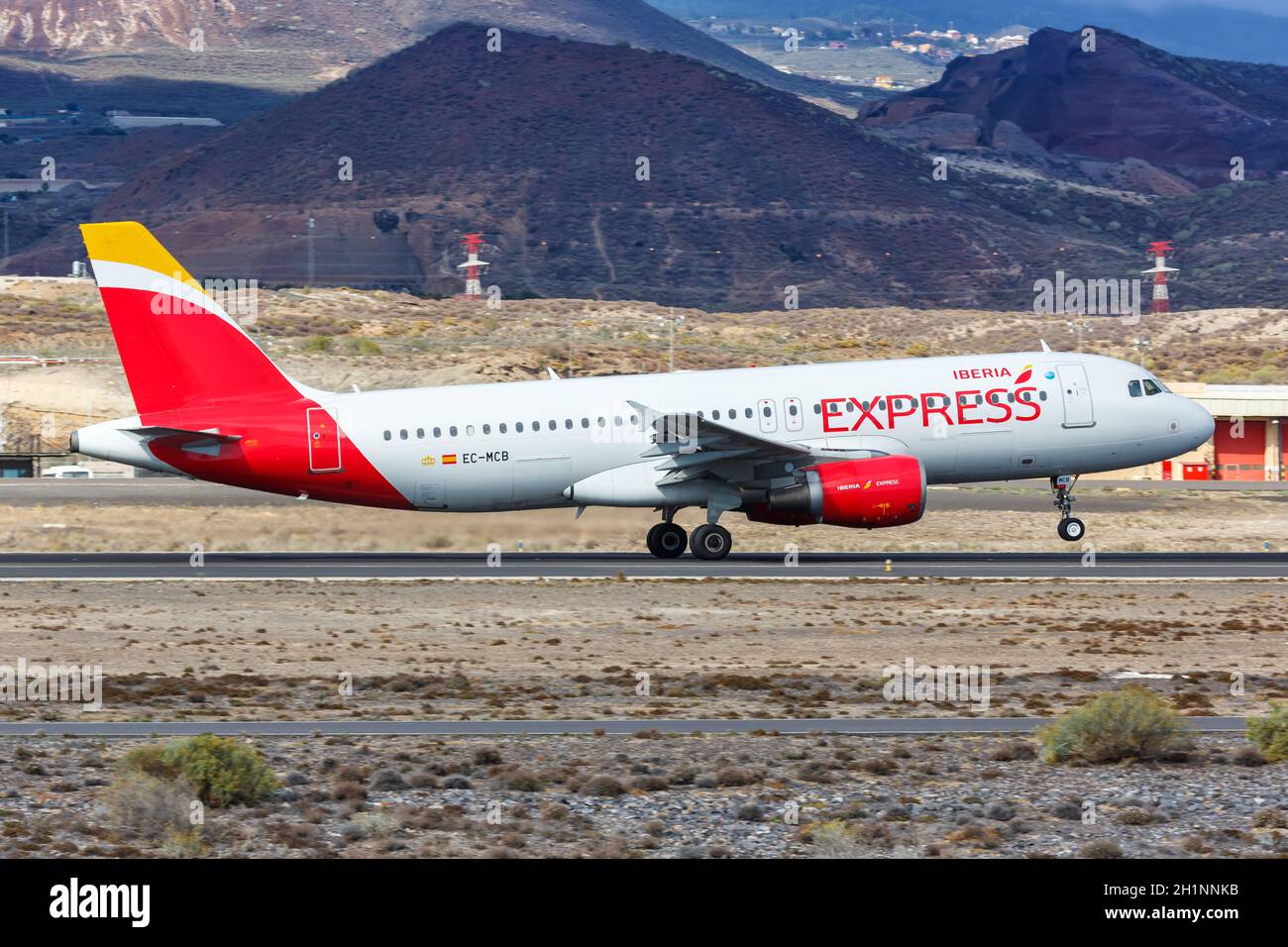
Pope Leo XIV traveled from Tenerife to Rome on the private aircraft of King Felipe VI after an Iberia Airbus A320 suffered an engine failure on June 12. According to Vatican News, the Pontiff departed at 18:08 local time, while the papal entourage and journalists followed on a separate Iberia flight.
Why did the Pope’s flight from Tenerife fail?
A technical problem with the engine of an Iberia Airbus A320 grounded the aircraft at Tenerife Norte–Los Rodeos airport. Vatican News reports that the takeoff procedure began around 16:15 local time, already over an hour behind schedule.
Shortly after the initial attempt, crews repositioned the access stairs. King Felipe VI escorted the Pope back to the airport’s VIP lounge. Cardinal Pietro Parolin, the Secretary of State, and other accompanying bishops and cardinals also disembarked the disabled aircraft.
How do diplomatic protocols handle aviation emergencies?
The transition from a commercial carrier to a royal aircraft demonstrates a high level of inter-state diplomatic agility. When the Iberia flight failed, King Felipe VI placed his private aircraft at the disposal of the Holy See to ensure the Pope’s return to Rome.
According to the Holy See Press Office, this arrangement allowed the Pope to depart at 18:08, with an estimated arrival in Rome at 23:00. This shift highlights a trend where state-owned assets serve as a critical safety net for international religious and political leaders.
The role of official delegations in transit
The departure involved a strict sequence of honors. Before the technical failure, the Pope was received by King Felipe VI, government spokesperson Elma Saiz, and the President of the Canary Islands, Fernando Clavijo. National anthems and flag honors were performed on the tarmac.
The subsequent split in transport—the Pope on a royal plane and the entourage on a commercial Iberia flight—shows a tiered priority system in diplomatic contingency planning. This ensures the primary head of state or religious leader reaches the destination without further delay.
What are the trends in state aviation reliability and logistics?
The Tenerife incident underscores a growing tension between the cost-efficiency of using commercial airlines for diplomatic trips and the reliability of dedicated state fleets. Vatican News characterized the end of this seven-day apostolic journey as “unprecedented” due to the mode of departure.
Future trends in high-profile logistics suggest a move toward “hybrid” transport models. This involves booking commercial flights for the bulk of a delegation while maintaining a standby state-owned aircraft for the principal leader. This mitigates the risk of a single point of failure grounding an entire diplomatic mission.
Comparison of transport outcomes
The resolution of the Tenerife delay created two distinct travel experiences for the papal party:
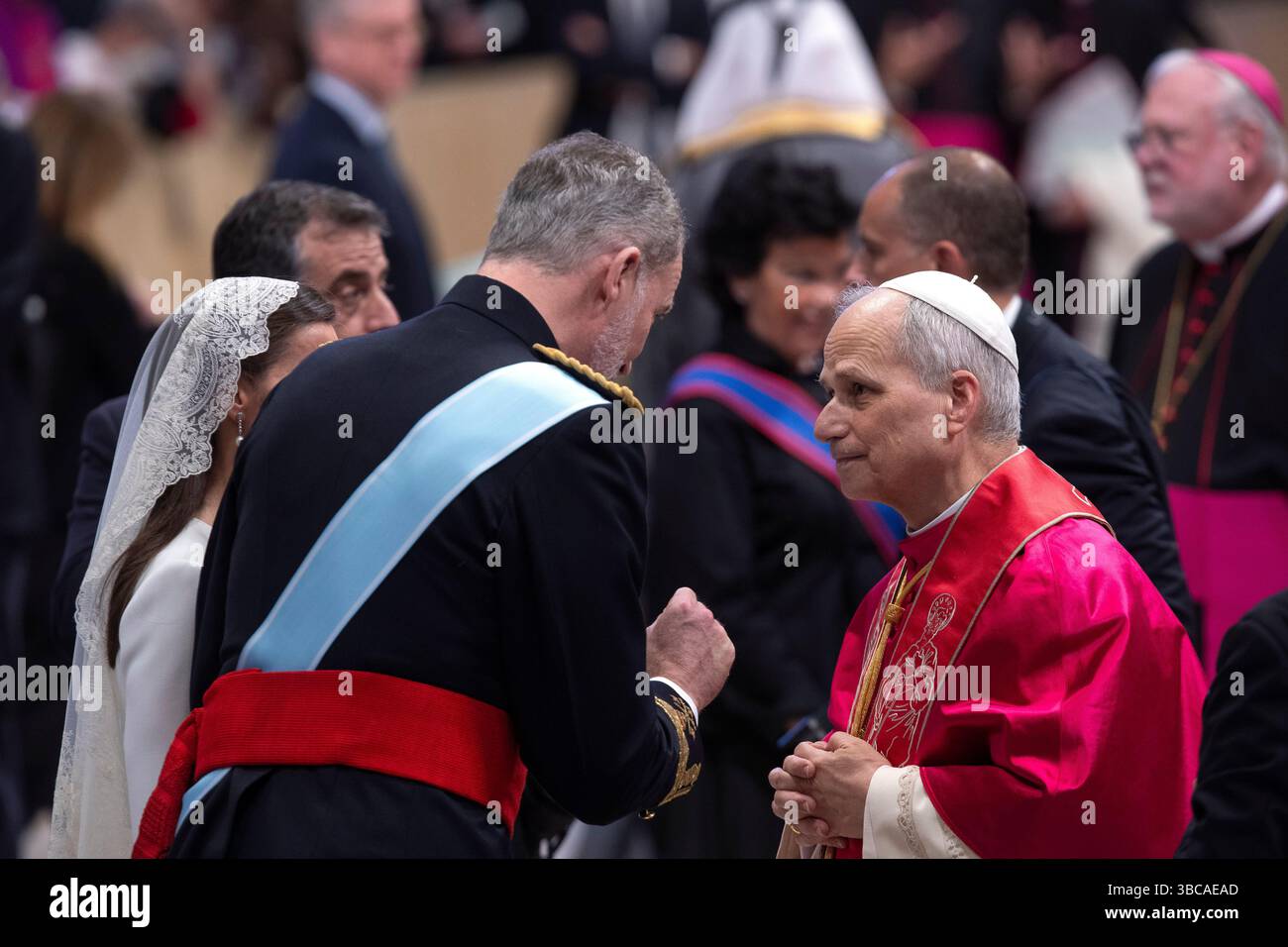
- The Pontiff: Immediate transfer to the Spanish King’s private aircraft; departed 18:08.
- The Entourage: Delayed departure on a replacement Iberia aircraft provided in the following hours.
Frequently Asked Questions
Who provided the backup aircraft for Pope Leo XIV?
King Felipe VI of Spain provided his private aircraft after the Iberia flight suffered an engine failure.
When did the Pope arrive in Rome?
The aircraft departed Tenerife at 18:08 and was scheduled to arrive in Rome around 23:00 local time, according to the Holy See Press Office.
What happened to the journalists and staff?
They remained at the airport and returned to Rome on a separate aircraft provided by Iberia.
What is your take on the balance between commercial and private transport for world leaders? Should all diplomatic missions use dedicated fleets? Share your thoughts in the comments below or subscribe to our newsletter for more insights on global logistics.