

Pope Leo XIV Visits Spain, Urges Global Leaders to End Polarization
Pope Leo XIV’s June 2026 visit to Spain signals a strategic Vatican shift toward countering political polarization and championing migrant rights. By engaging youth through modern cultural gestures and criticizing restrictive immigration policies—specifically contrasting the U.S. approach with Spain’s amnesty programs—the Pope is repositioning the Catholic Church as a diplomatic bridge in an era of extreme societal division.
Why is the Vatican pushing back against “sterile simplifications”?
Pope Leo XIV isn’t just talking about theology; he’s attacking the way modern politics is conducted. During his speech at the Royal Palace in Madrid, Leo warned that leaders are fanning the flames of polarization to gain quick popularity. He called these narratives “sterile simplifications” that ignore the actual complexity of human existence.
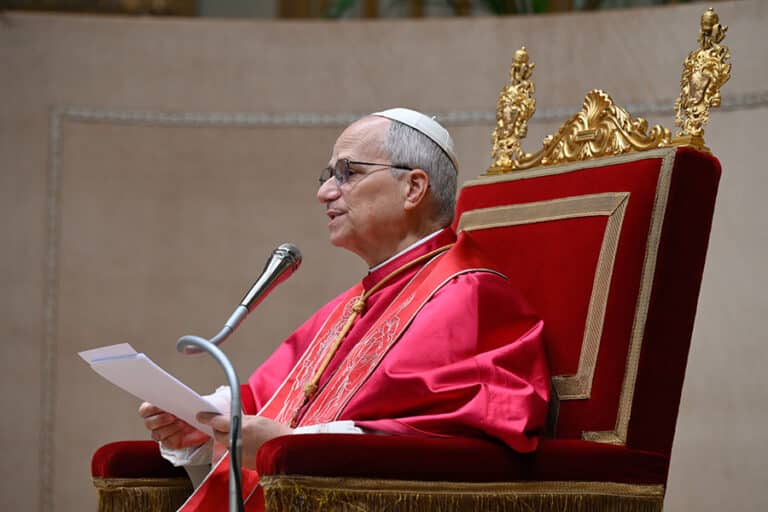
The trend here is a move toward “intellectual humility.” Leo pointed to the medieval School of Translators in Toledo as a blueprint. In that era, Christians, Muslims, and Jews collaborated to translate Arabic texts into Latin and Spanish. According to the Pope, this “culture of encounter” is the only sustainable path to stability.
This suggests a future where the Church acts less as a moral judge and more as a mediator. By blaming technology for magnifying prejudices and weakening critical thinking, the Vatican is identifying the digital algorithm as a primary enemy of social cohesion.
How does Spain’s migration approach contrast with U.S. policy?
The Pope’s visit highlights a widening ideological gap between Western powers. On one side, U.S. President Donald Trump has faced criticism from the Vatican for anti-immigration policies. On the other, Spanish Prime Minister Pedro Sanchez has implemented a mass amnesty program.
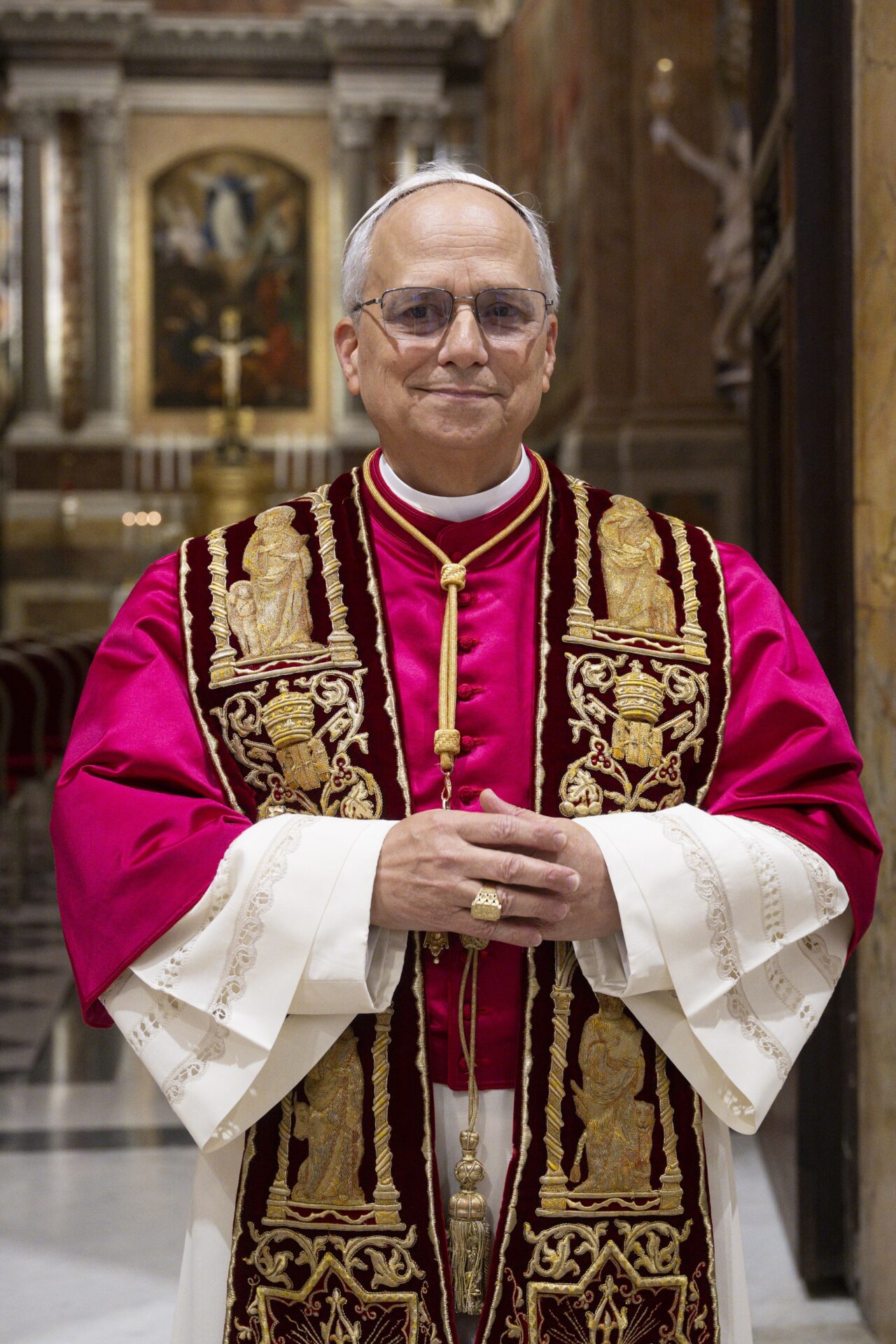
The numbers are stark. Spain’s program allows roughly 500,000 immigrants to apply for legal status. This isn’t just policy; it’s a human shift. For migrants like Khadry, a Senegalese man who met the Pope in Madrid, this legal recognition is the difference between being “lost and alone” and having a stable job.
Can the Church actually compete with pop culture for Gen Z?
The image of Pope Leo XIV performing the “6-7” hand gesture—a trend popular with youth—is a calculated move. He openly joked about competing with Puerto Rican superstar Bad Bunny for the attention of young people in Madrid. While Bad Bunny filled the Metropolitano stadium, Leo drew 600,000 youth to the Santiago Bernabéu.
This “relatability strategy” is working. Perla Garcia, a 15-year-old attendee, noted that the Pope’s familiarity makes Catholicism feel accessible. This aligns with the Fundacion SM data showing a nearly 11% jump in practicing Catholics among Spanish youth over five years.
The future of the Church likely depends on this “hybrid identity”—maintaining ancient traditions while adopting the visual language of TikTok and Instagram to combat what the Pope calls the “emptiness of indifference.”
What happens when institutional failure clashes with faith?
Despite the crowds, the visit exposed a deep wound: the clergy abuse scandal. While the Pope scheduled meetings with survivors, many victims felt sidelined. A collective of survivor groups explicitly stated they “don’t want a photo with the pope,” demanding instead legal recognition and lifelong psychological care.

The scale of the issue is massive. A 2023 report by Spain’s human rights ombudsman estimated that hundreds of thousands of people were victims of clergy abuse over several decades. This creates a tension that no “6-7” gesture can fix.
The trend here is a move from “symbolic apology” to “material reparation.” The survivors are no longer asking for forgiveness; they are asking for a legal framework for compensation. This marks a shift in how victims interact with powerful institutions globally.
For more on the intersection of faith and politics, see our analysis on Global Religious Trends 2026 or visit the Official Vatican News for primary documents.
Frequently Asked Questions
Who is Pope Leo XIV?
He is the current head of the Catholic Church, known for his focus on migrant rights and his efforts to engage youth through modern cultural touchpoints.
What is the “6-7” gesture?
It is a hand gesture popular among young people that the Pope used during his visit to Spain to signal relatability and connection with Gen Z.
What is the Spanish amnesty program?
A government initiative led by Prime Minister Pedro Sanchez that allows approximately 500,000 undocumented immigrants to apply for legal residency.
Do you think the Church’s shift toward “relatability” is effective, or does it distract from institutional issues?
Join the conversation in the comments below or subscribe to our newsletter for weekly deep dives into global diplomacy.