
Portugal’s Textile Heritage and the Bangladeshi Influence
The Global Thread: How Diaspora Entrepreneurs Are Reshaping the Souvenir Industry
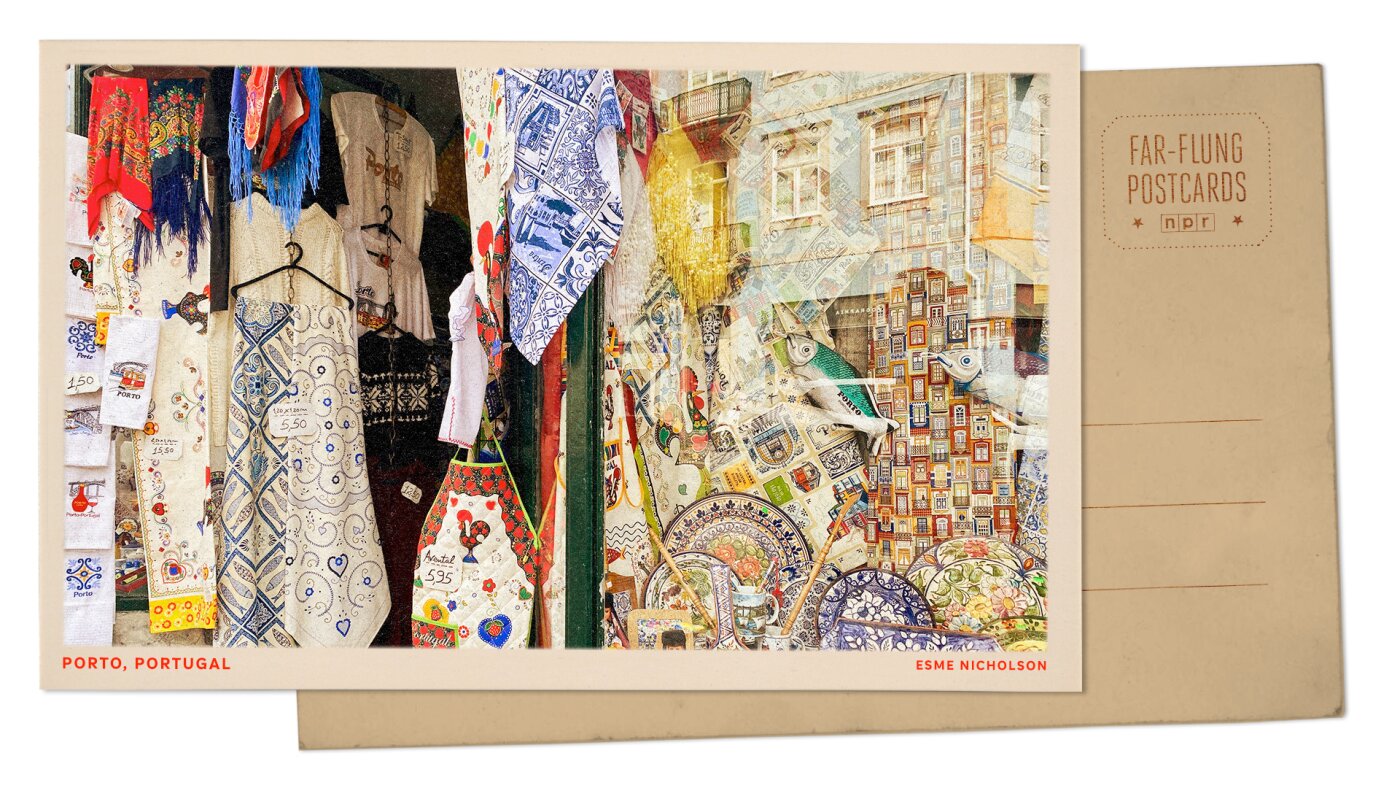
Walk through the historic districts of Lisbon, and you’ll notice a familiar sight: shops draped in high-quality linen scarves, cotton aprons, and intricate dishtowels. But look closer at the shopkeepers behind the counters. Many are part of a growing wave of Bangladeshi entrepreneurs who have found a natural synergy between their country’s deep-rooted textile heritage and Portugal’s traditional craft markets.
This intersection of global migration and local artisanal trade is more than just a retail trend; it’s a blueprint for the future of the souvenir economy. As supply chains shift and consumer preferences evolve, the “authentic” souvenir is being redefined by those who understand the raw materials better than anyone else.
The Rise of Transnational Artisanship
For decades, the souvenir industry was criticized for cheap, mass-produced plastic trinkets. Today, a significant shift is underway. Consumers are demanding sustainable, natural fibers like linen and organic cotton.
Bangladesh, a global powerhouse in textile manufacturing, provides the perfect technical backbone for this transition. By combining the aesthetic traditions of Southern Europe with the manufacturing expertise of South Asian craftsmen, these shopkeepers are creating a product that feels both culturally authentic to the location and globally conscious in its sourcing.
Why Natural Fibers Are Winning the Retail War
Data from the Textile Exchange highlights a massive surge in demand for organic and recycled fibers. Tourists are no longer looking for “Made in [City]” labels that hide a plastic reality; they are looking for functional, durable items they can use at home.
Linen and cotton dishtowels, for instance, have become the modern “it” souvenir. They are lightweight for travelers, biodegradable, and offer a practical utility that a plastic magnet simply cannot match. This shift toward “utilitarian tourism” is expected to grow by 15% annually as sustainable travel becomes the industry standard.
The Human Element: Building Community Through Commerce
The success of these shops isn’t just about the fabric; it’s about the narrative. When a shopkeeper can explain the origin of the cotton or the weaving process of the linen, the customer experience is elevated from a transaction to a cultural exchange. This human-centric approach is the ultimate defense against the rise of e-commerce giants like Amazon.
Did You Know?
Linen is one of the oldest textiles in the world, dating back over 30,000 years. Because This proves made from the flax plant, it requires significantly less water to produce than cotton, making it one of the most eco-friendly choices for souvenir hunters.
Future Trends: What’s Next for Souvenir Shops?
As we look toward the next decade, we can expect three major shifts in the souvenir landscape:
- Hyper-Local Personalization: Shops will begin offering on-site embroidery or custom printing, allowing tourists to personalize high-quality linen goods.
- Transparency Labels: Much like food menus, expect to see “sourcing tags” on textiles that detail the journey from fiber to finished product.
- Cross-Cultural Collaborations: We will see more partnerships where local European designers collaborate directly with textile artisans from Bangladesh and India to create exclusive, limited-edition runs.
Frequently Asked Questions (FAQ)
- Why is linen considered a better souvenir than synthetic materials?
- Linen is durable, naturally antibacterial, and becomes softer with every wash. It is also a sustainable choice, as flax cultivation is less resource-intensive.
- How can I tell if a shop is selling high-quality textiles?
- Feel the weight of the fabric. High-quality linen should feel substantial and have a slight, natural texture. Avoid fabrics that feel overly “slick” or plastic-like.
- Is the textile souvenir industry becoming more sustainable?
- Yes. There is a strong movement toward ethical manufacturing and natural dyes, driven by consumer pressure and European Green Deal regulations.
Have you recently purchased a high-quality textile souvenir that you still use daily? Let us know in the comments below! If you enjoyed this deep dive into the changing world of retail, subscribe to our weekly newsletter for more expert insights on travel and global markets.