
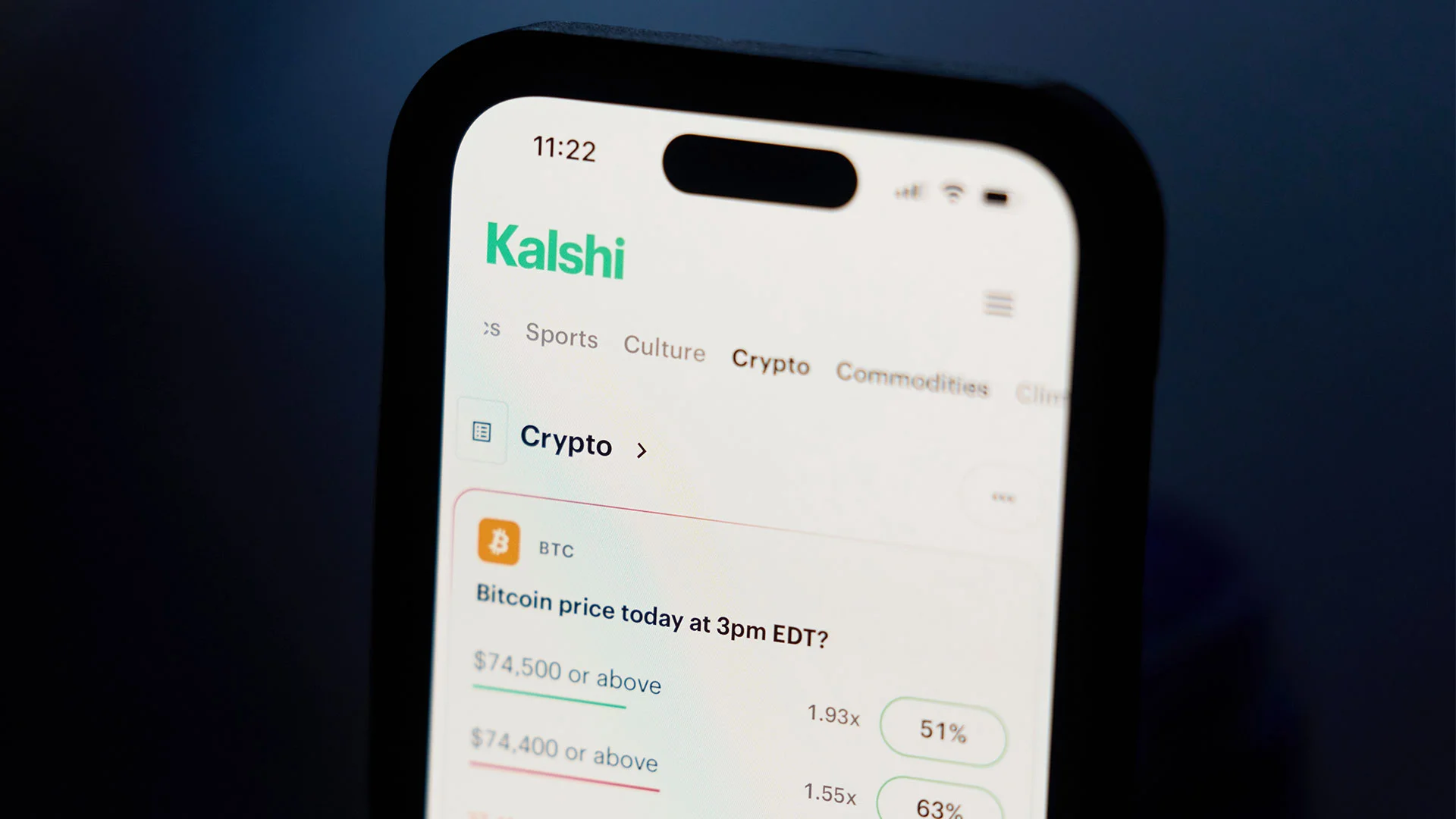
Prediction Markets: Hooking Gen Z Through Memes and Gamification
The “Meme-ification” of Money: Why Your Feed is Now a Casino
If you’ve spent any time on Instagram or X (formerly Twitter) lately, you’ve likely seen them: unhinged memes, chaotic videos of chimpanzees in suits, or influencers plummeting from hot air balloons. At first glance, it looks like standard Gen Z brain-rot content. But look closer, and you’ll find the logos of Kalshi, Polymarket, or Fliff.
We are witnessing a fundamental shift in how young adults interact with risk. The line between a social media feed, a video game, and a high-stakes financial trade has effectively vanished. This isn’t accidental; it’s a calculated strategy to lower the “friction” of the first wager.
Beyond the Bet: The Rise of “SocialFi” and Prediction Markets
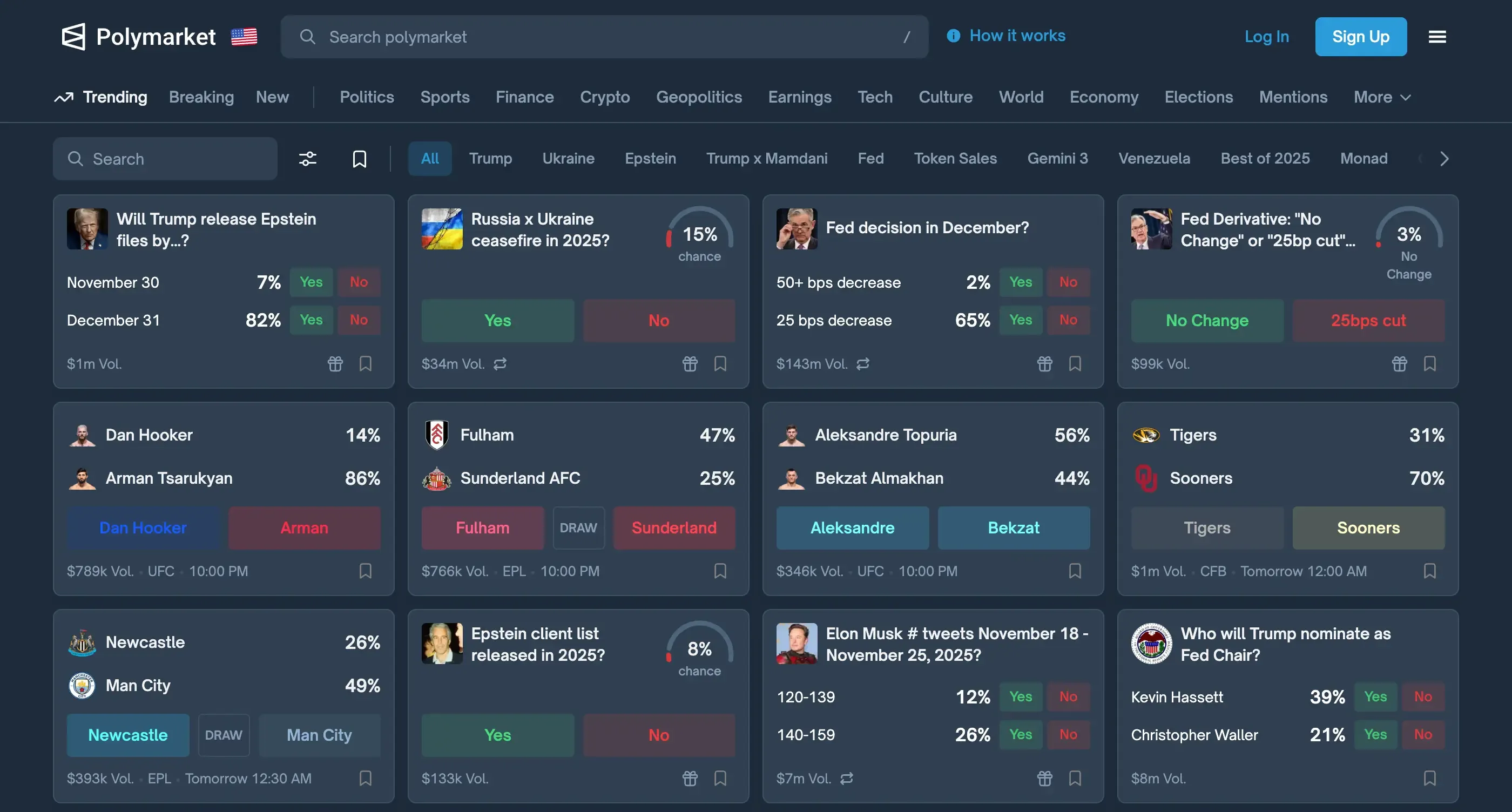
For decades, gambling was something that happened in smoky backrooms or neon-lit Vegas strips. Today, it happens in the palm of your hand, disguised as “prediction markets.” Platforms like Kalshi and Polymarket aren’t selling bets; they are selling the idea of “forecasting” real-world events.
By framing these activities as intellectual exercises in probability rather than gambling, these platforms tap into a powerful psychological loophole. Users aren’t “betting on aliens”; they are “trading a contract on the probability of extraterrestrial confirmation.”
The Regulatory Gray Area
This linguistic shift has massive legal implications. Because prediction markets are often regulated by the Commodity Futures Trading Commission (CFTC) rather than state gambling boards, they often bypass the 21-and-over age limit common in U.S. Casinos. This opens the door for 18-year-olds—whose prefrontal cortexes are still developing—to enter a world of high-velocity financial risk.
The Dark Side of Gamification: When Trading Feels Like a Video Game
The most dangerous element of the modern prediction market isn’t the risk—it’s the interface. By incorporating “gamified” features, these platforms trigger the same dopamine loops found in addictive mobile games.

Consider the toolkit used by platforms like Fliff: customizable avatars, achievement badges, global leaderboards, and real-time chat. When you add a leaderboard to a financial transaction, the goal shifts from “making a profit” to “beating the other players.”
This “visceral” feedback loop tightens the gap between the wager and the result. When a win is celebrated with digital confetti or a climb up a social rank, the brain stops associating the activity with financial loss and starts associating it with gaming achievement.
Future Forecast: Where Do We Go From Here?
As these platforms scale, we can expect several key trends to reshape the landscape of digital risk and youth finance.
1. The AI Arms Race in Prediction Markets
The “casual” user is increasingly at a disadvantage. As AI becomes more adept at processing vast amounts of real-time data, we will see the rise of “prediction bots” that can hedge bets and forecast outcomes with inhuman precision. This will likely widen the gap between the 69% who lose and the tiny fraction of “whales” who profit.
2. The Integration of “SocialFi”
Expect to see “Social Finance” (SocialFi) move deeper into our apps. We may soon see “one-click” betting integrated directly into news articles or social media posts. Imagine reading a news story about a political election and seeing a small widget that allows you to “trade” the outcome without ever leaving the page.
3. A Regulatory “Great Wall”
The push by lawmakers, such as Sen. Katie Britt and Sen. Richard Blumenthal, suggests a looming crackdown. The future likely holds stricter mandates on “predatory marketing,” specifically banning the use of meme-culture and influencer partnerships to target users under 21.
For more on how to protect your digital assets, check out our guide on building long-term wealth in a volatile economy.
Frequently Asked Questions
Are prediction markets the same as gambling?
Legally, they often differ because they are treated as derivative contracts. However, psychologically and financially, the risk profile is nearly identical to gambling.
Why are 18-year-olds targeted?
The 18-21 age window is a prime target for customer acquisition. Platforms want to establish brand loyalty early, creating a “lifetime value” customer before they are exposed to traditional investment vehicles.
How can I tell if a platform is “gamifying” my finances?
Look for features like badges, streaks, leaderboards, and bright, flashing animations. If the app feels more like Candy Crush than a bank account, it is using gamification to keep you engaged.
What’s your take on the “meme-ification” of finance?
Do you think prediction markets are a tool for intellectual forecasting or just a new skin for gambling? Let us know in the comments below or subscribe to our newsletter for more deep dives into the intersection of tech and money.