

Prepaid Phone Plans Guide: How They Work and Best MVNO Carriers
The Death of the Traditional Contract: Where Prepaid Mobile is Heading
For years, the choice was simple: you either signed a two-year “soul-binding” contract with a major carrier or you settled for a prepaid plan that felt like a second-class citizen on the network. But the lines are blurring. As the “Big Three”—Verizon, AT&. T, and T-Mobile—continue to swallow up Mobile Virtual Network Operators (MVNOs), the very nature of how we pay for connectivity is shifting.
We are entering an era of “fluid connectivity,” where the focus is shifting from who owns the tower to how the user experiences the data. If you’ve noticed your prepaid plan suddenly feeling as fast as a premium postpaid account, you’re seeing the first wave of a larger industry transformation.
The Rise of Network Agnosticism
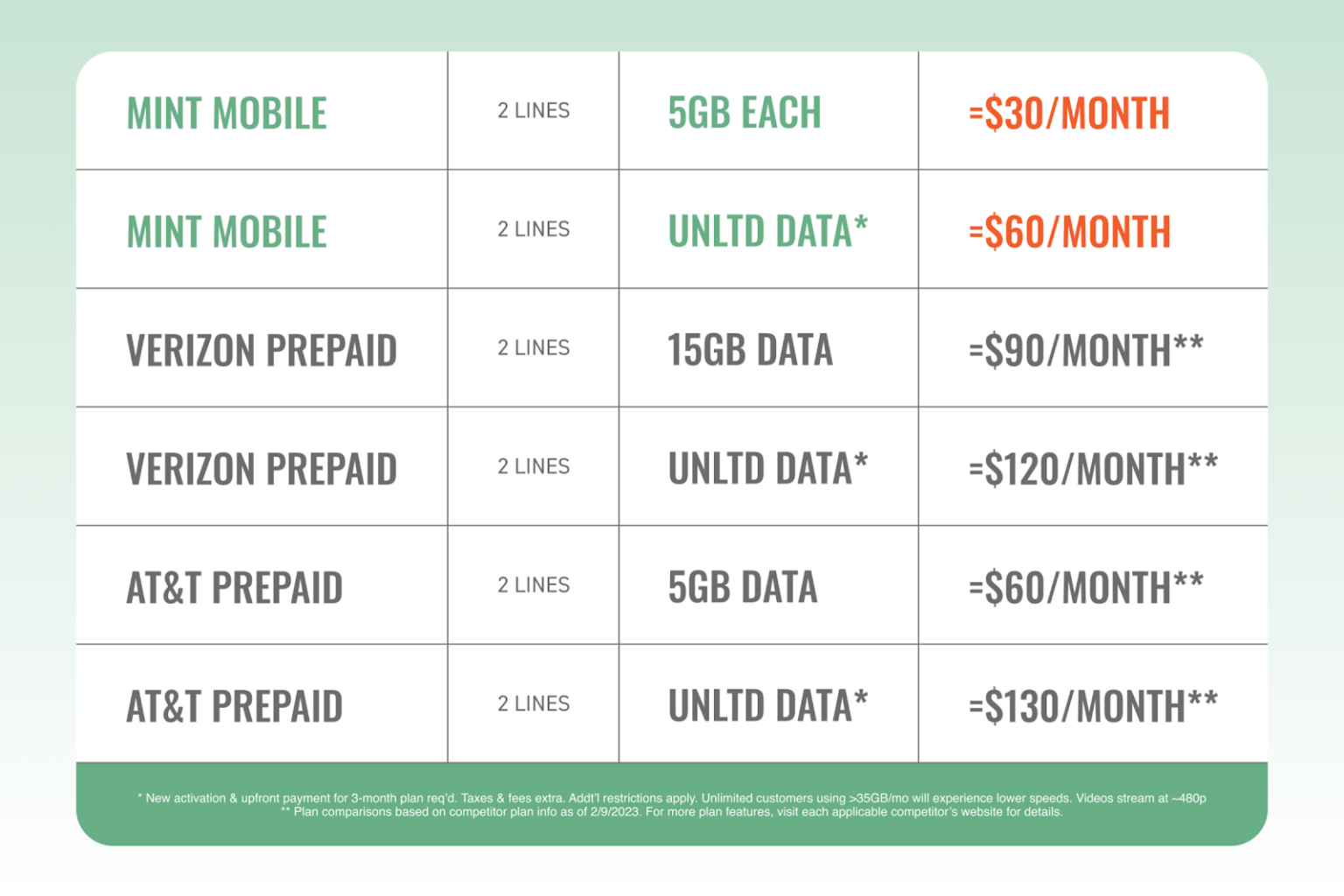
Historically, choosing a prepaid carrier meant betting on one network. If you chose a Mint Mobile plan, you were tied to T-Mobile’s coverage. If that signal dropped in your favorite hiking spot, you were out of luck.
The future, however, is network agnosticism. We are seeing a rise in “smart” MVNOs—like US Mobile—that allow users to switch between the major carriers’ networks on the fly. This removes the biggest risk of prepaid plans: the fear of a dead zone.
As this technology scales, we can expect “intelligent switching” where your phone automatically hops to the strongest available network regardless of the provider, effectively turning the entire US cellular infrastructure into one giant, shared utility.
Satellite Integration: Ending the ‘Rural Gap’
One of the persistent weaknesses of prepaid services has been the lack of domestic roaming. While urban areas are saturated with signals, rural users often find their prepaid plans useless the moment they leave the city limits.
The game-changer here is Direct-to-Cell satellite technology. With companies like SpaceX (Starlink) and AST SpaceMobile partnering with major carriers, the “coverage gap” is closing. In the near future, your prepaid plan won’t just rely on a tower 10 miles away; it will connect to a satellite overhead.
In other words the “reliability” argument against prepaid plans will likely vanish, making these low-cost options viable for everyone, including those in the most remote parts of the country.
The Consolidation Paradox: More Brands, Fewer Choices
There is a hidden trend unfolding in the MVNO market: massive consolidation. T-Mobile now owns Mint and Metro; Verizon owns Visible and the TracFone umbrella. On the surface, it looks like we have dozens of choices, but in reality, we are just choosing different “skins” for the same three networks.
This leads to a paradox. While pricing remains competitive because these brands fight for market share, the actual innovation in network quality is centralized. The future of competition won’t be about who has the best signal—since everyone is using the same towers—but who offers the best digital experience.
Expect to see prepaid plans bundling more than just data. We’re moving toward “Lifestyle Bundles” where your mobile plan might include cloud storage, streaming services, or even integrated AI assistant subscriptions.
AI-Driven Dynamic Pricing and Data
The “Unlimited” plan is a marketing myth; every plan has a ceiling where speeds are throttled. The next evolution is AI-driven dynamic pricing.
Instead of paying for a flat 10GB or an “Unlimited” tier, future prepaid plans may use machine learning to analyse your actual usage patterns. If the AI sees you only use 2GB of data during the week but spike on weekends, it could automatically adjust your plan in real-time to save you money.
This “pay-as-you-actually-use” model will likely replace the rigid monthly buckets we use today, making mobile service more like a utility (like water or electricity) and less like a subscription.
Comparing Modern Prepaid Trends
| Feature | Traditional Prepaid | Future Trend |
|---|---|---|
| Network Access | Single Carrier | Multi-Network/Agnostic |
| Activation | Physical SIM Card | Instant eSIM / Virtual |
| Rural Coverage | Limited Roaming | Satellite-to-Cell Integration |
| Pricing Model | Fixed Monthly Tiers | AI-Driven Dynamic Pricing |
Frequently Asked Questions
Will prepaid plans ever be as fast as postpaid?
In many cases, they already are. While some MVNOs suffer from “deprioritization” (slower speeds during network congestion), many newer plans now offer “priority data” that matches the speeds of expensive monthly contracts.

Is it hard to switch from a major carrier to a prepaid MVNO?
No. Thanks to industry standards for number porting and eSIM technology, you can often switch carriers in a matter of minutes via an app without ever visiting a store.
Do prepaid plans still have hidden fees?
Most modern MVNOs have moved toward transparent pricing. However, always check for “activation fees” or costs associated with international roaming, which can still be high on budget plans.
Ready to cut your phone bill?
The market is changing fast. Whether you’re looking for a multi-network powerhouse or a simple budget plan, there’s never been a better time to switch.
Which carrier are you using, and have you noticed a drop in quality? Let us know in the comments below or subscribe to our newsletter for the latest connectivity guides!