
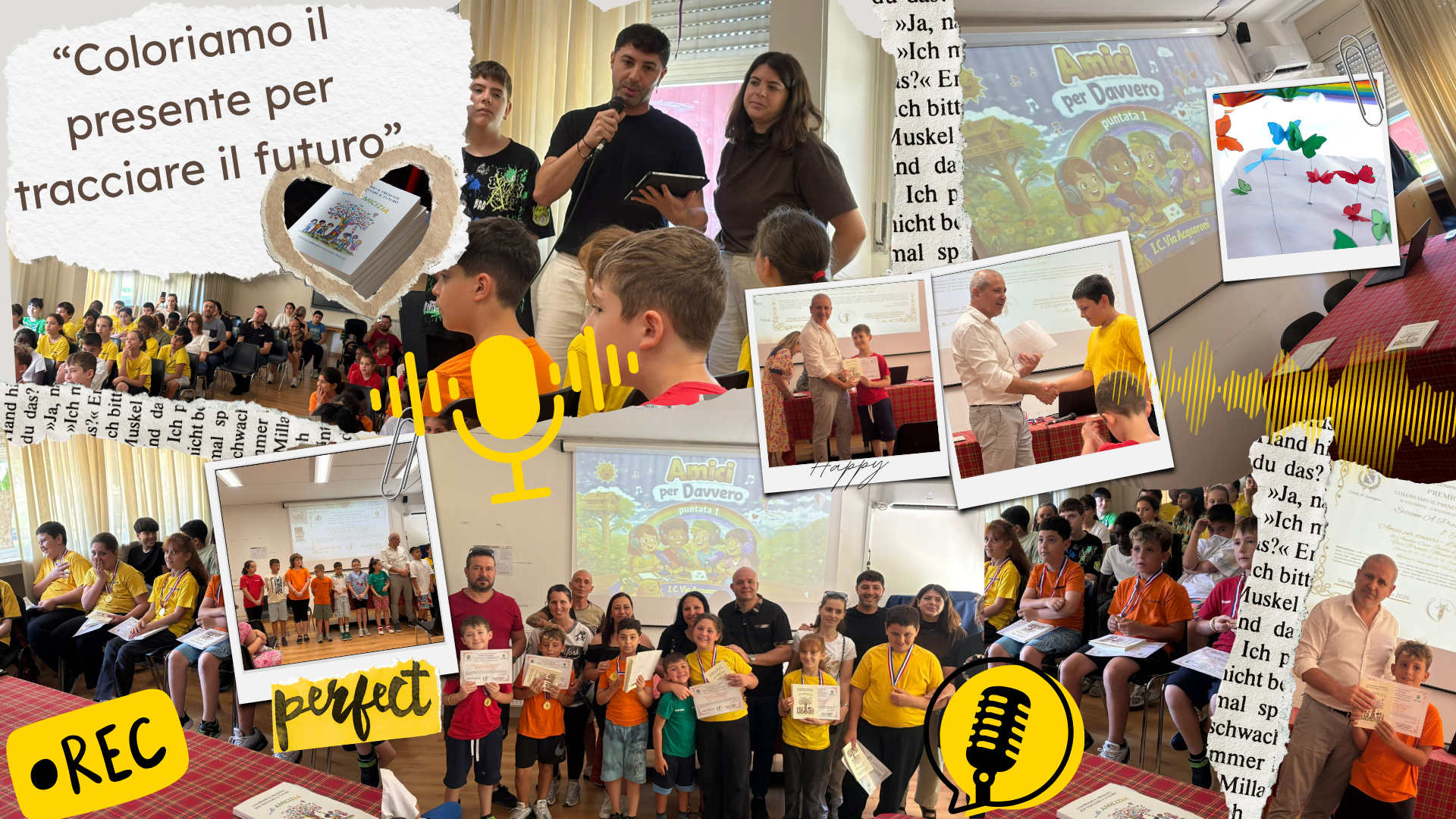
Primary School Podcast Wins First Prize in Literary Competition
Beyond the Classroom: Why Student-Led Podcasting is the Future of Education
For decades, the classroom was a place of passive reception. Students listened, took notes and repeated information. But a shift is happening. We are moving toward an era of “creator-based learning,” where the student is no longer just a consumer of knowledge, but a producer of it.
The recent success of primary school projects—like the award-winning podcast that explored friendship and global curiosities—highlights a growing trend: the integration of digital storytelling into the core curriculum. This isn’t just about playing with microphones; it’s about redefining how children process information and communicate their identity to the world.
The Rise of the ‘Student Creator’ and 21st-Century Skills
Podcasting in schools is a Trojan horse for teaching “soft skills.” When a child prepares an interview or scripts a reflection on friendship, they aren’t just doing a language exercise. They are mastering complex cognitive tasks.
Developing Empathy through Active Listening
Unlike a written essay, a podcast requires a dialogue. To conduct a successful interview, a student must listen actively, pivot their questions based on the answer, and empathize with the speaker. This builds emotional intelligence (EQ), a trait that the World Economic Forum identifies as critical for the future workforce.
Mastering the Art of Synthesis
The process of taking a vast topic—like “curiosities of the world”—and condensing it into a five-minute audio segment requires high-level synthesis. Students must decide what is essential and what is noise, a skill that is becoming increasingly rare in an age of infinite scrolling and information overload.
Audio as a Catalyst for Active Citizenship
One of the most powerful aspects of student-led media is the shift toward active citizenship. When students realize their voice can reach an audience beyond their teacher, their sense of responsibility grows.
We are seeing a trend where schools use podcasts to tackle local community issues or document oral histories from elderly residents. This transforms the school from an isolated building into a community hub. By “coloring the present,” as seen in recent literary competitions, students are essentially drafting the blueprint for their future role in society.
This approach aligns with the concept of Global Citizenship Education, encouraging students to see themselves as part of a wider, interconnected world. [Internal Link: Exploring the benefits of project-based learning in primary education]
The Tech Evolution: What Comes Next?
As we look forward, the intersection of audio and technology will only deepen. We are moving toward “multimodal literacy,” where the lines between text, audio, and visual storytelling blur.
AI as a Collaborative Tool, Not a Replacement
The future isn’t about AI writing the scripts; it’s about AI helping students organise their research or cleaning up audio noise. The human element—the tremor in a voice, the genuine laugh, the curiosity in a question—is what makes podcasting valuable. The trend will shift toward using AI to handle the technical “grunt work,” leaving more room for human creativity.
Hyper-Localism and Niche Communities
We expect to see a rise in “micro-podcasting” within schools—small, niche series focused on specific student interests, from sustainable gardening to space exploration. This allows students to find their “tribe” and develop expertise in areas they are genuinely passionate about.
Frequently Asked Questions
Q: Is podcasting too advanced for primary school students?
A: Not at all. With simplified tools and teacher guidance, children as young as seven can express ideas through audio. The focus should be on the story, not the technical perfection.
Q: How does this help with traditional literacy?
A: Scriptwriting is essentially a form of drafting. Students learn to write for the ear, which improves their understanding of rhythm, tone, and clarity in written language.
Q: What equipment is actually necessary?
A: You don’t need a professional studio. A tablet, a basic USB microphone, and free software like Audacity or GarageBand are more than enough to get started.
The transition from student to creator is one of the most empowering journeys a young learner can take. By giving them the microphone, we aren’t just teaching them how to speak—we are teaching them that they have something worth saying.
What do you think about the role of digital media in the classroom?
Have you seen a project that inspired your children or students? Share your thoughts in the comments below or subscribe to our newsletter for more insights on the future of education!