

Progressive Surge in New York Primaries Signals Shifts for Democratic Party
Candidates backed by New York City Mayor Zohran Mamdani secured victories in three congressional primaries this Tuesday, unseating two Democratic incumbents in a series of contests defined by ideological divides and debates over U.S.-Israel policy. According to reports, these results signal ongoing volatility within the Democratic Party as it prepares for the upcoming midterm elections and looks toward the 2028 presidential cycle.
Shifting Alignments in New York Primaries
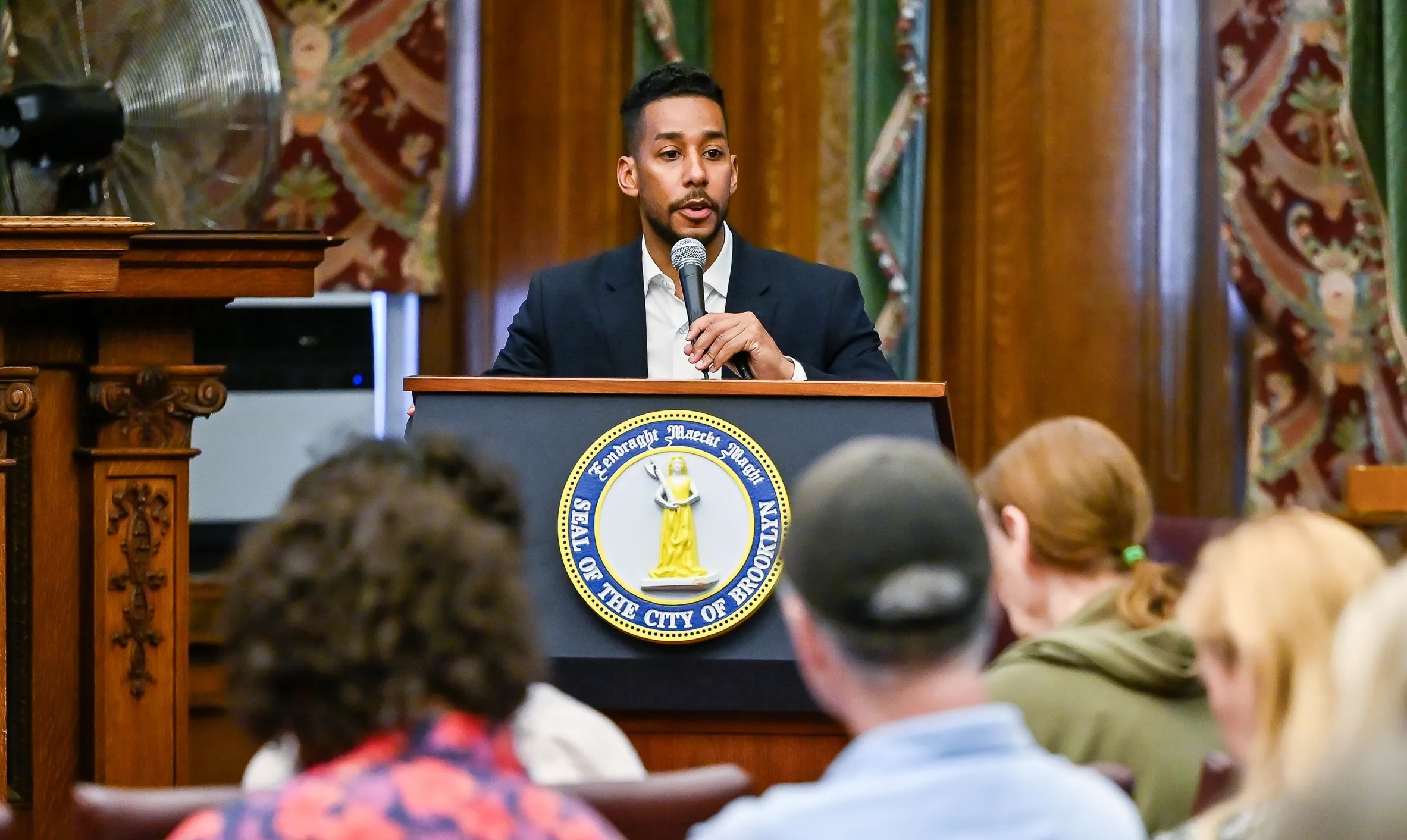
The Democratic primary results showed a mix of progressive gains and establishment resilience. In the 13th District, socialist candidate Darializa Ávila Chevalier defeated Representative Adriano Espaillat, the chair of the Congressional Hispanic Caucus. Similarly, in the 7th District, Claire Valdez defeated Brooklyn Borough President Antonio Reynoso, while in the 10th District, former city comptroller Brad Lander unseated Representative Dan Goldman.
However, the shift was not uniform across the state. In Manhattan’s 12th District, voters favored state assemblyman Micah Lasher, a candidate with significant establishment support, over progressive challenger Alex Bores. In Utah, voters also opted for a moderate path, backing former Representative Ben McAdams over more left-leaning rivals in the primary for the state’s first district.
Did You Know? In the 12th District primary, Jack Schlossberg—the grandson of President John F. Kennedy—finished in a distant third place, reflecting a rejection of his attempt to campaign on his family’s political legacy.
The Role of Foreign Policy and Party Funding
The relationship between the United States and Israel emerged as a central issue in the New York contests. Brad Lander, who secured a victory in the 10th District, characterized the Biden administration’s policy toward Israeli Prime Minister Benjamin Netanyahu as a “catastrophic failure.” Lander, who is Jewish, argued that it is possible to criticize the Israeli government without being antisemitic, though he also warned that the term “Zionist” is increasingly being used as an insult.

These contests occurred during a cycle marked by significant spending from the American Israel Public Affairs Committee (AIPAC) and its allies. Lander publicly called on the Democratic Party to distance itself from political action committees funded by AIPAC, Wall Street, and the cryptocurrency industry.
Expert Insight: Samantha Carter notes that the New York primary results highlight a profound internal struggle regarding party identity. While progressive candidates are successfully challenging incumbents by focusing on foreign policy and institutional reform, the success of moderate candidates in other regions suggests the party remains deeply divided rather than moving in a single ideological direction. The tension between establishment figures like Hakeem Jeffries and the rising progressive wing is likely to intensify as the party manages these conflicting visions heading into 2028.
Trump’s Influence in Republican Contests
Outside of the Democratic primaries, the influence of former President Donald Trump faced limits in South Carolina. Although Trump issued a joint endorsement for the Republican gubernatorial runoff, his initial pick, Lieutenant Governor Pam Evette, lost decisively to Attorney General Alan Wilson. This result marks the third time in three weeks that a gubernatorial candidate backed by Trump has lost a party nomination, equaling a record of primary losses set in 2022.
Frequently Asked Questions
Which Democratic incumbents were defeated in the New York primaries?
Representatives Adriano Espaillat and Dan Goldman, along with Brooklyn Borough President Antonio Reynoso, were defeated by challengers backed by Mayor Zohran Mamdani.
How did foreign policy influence the election results?
The U.S. relationship with Israel was a primary focus for voters. Candidates like Darializa Ávila Chevalier and Brad Lander held positions critical of current policies, and these stances became central points of debate in their respective districts.
What was the outcome of the Republican gubernatorial runoff in South Carolina?
Attorney General Alan Wilson won the runoff against Lieutenant Governor Pam Evette, despite Trump issuing a late joint endorsement for both candidates.
How will these internal party divisions affect the Democrats’ ability to maintain a unified front in the upcoming general elections?