

Protecting Health Care in Armed Conflict: An Urgent Call to Uphold UN Resolution 2286
The heads of the International Committee of the Red Cross (ICRC), the World Health Organization (WHO), and Médecins Sans Frontières (MSF) have declared the 10th anniversary of UN Resolution 2286 a failure. According to these leaders, violence against medical facilities and personnel has intensified, signaling a critical breakdown in the rules of war.
Why is UN Resolution 2286 considered a failure?
Ten years ago, the UN Security Council unanimously adopted Resolution 2286 to protect health care in armed conflicts. However, the ICRC, WHO, and MSF state that the situation is now worse than it was a decade ago.
Violence against medical transport, facilities, and personnel continues unabated. The leaders of these organizations argue that the harm the resolution intended to prevent hasn’t diminished; in many cases, it’s actually intensified.
What are the consequences of attacking healthcare in war?
When the sanctity of health care is compromised, the results are catastrophic. According to the joint statement, hospitals are reduced to rubble and ambulances face obstruction and delays.

This violence leads to preventable deaths. Patients die from treatable wounds, and women are sometimes forced to give birth without adequate care. Entire communities lose access to life-saving services when these facilities are targeted.
The ICRC, WHO, and MSF warn that these attacks represent more than a humanitarian crisis. They describe it as a “crisis of humanity” and a clear sign that the norms intended to limit war’s harm are breaking down.
How can states protect medical services in conflict zones?
States have an obligation under international humanitarian law to “respect and ensure respect” for health care in all circumstances. This means states must abide by these rules and influence other parties to do the same.
The ICRC, WHO, and MSF are urging world leaders to follow a roadmap provided by the UN Secretary-General. They’ve called for several urgent measures to end the violence.
- Integrating health care protection into military doctrine and rules of engagement.
- Strengthening domestic laws to protect medical services during conflict.
- Allocating the necessary financial, technical, and operational resources.
- Conducting transparent and impartial investigations into attacks.
- Regularly reporting on the implementation of Resolution 2286.
Additionally, the organizations highlighted World Health Assembly Resolution 65.20, adopted in 2012. This resolution established the WHO’s systematic documentation and reporting of attacks on health care to build evidence for accountability.
What may happen next for international healthcare protections?
If world leaders provide the necessary political leadership, states could begin translating existing commitments into concrete actions. This may include adopting the outcomes of the Global IHL initiative’s workstream on hospital protection.
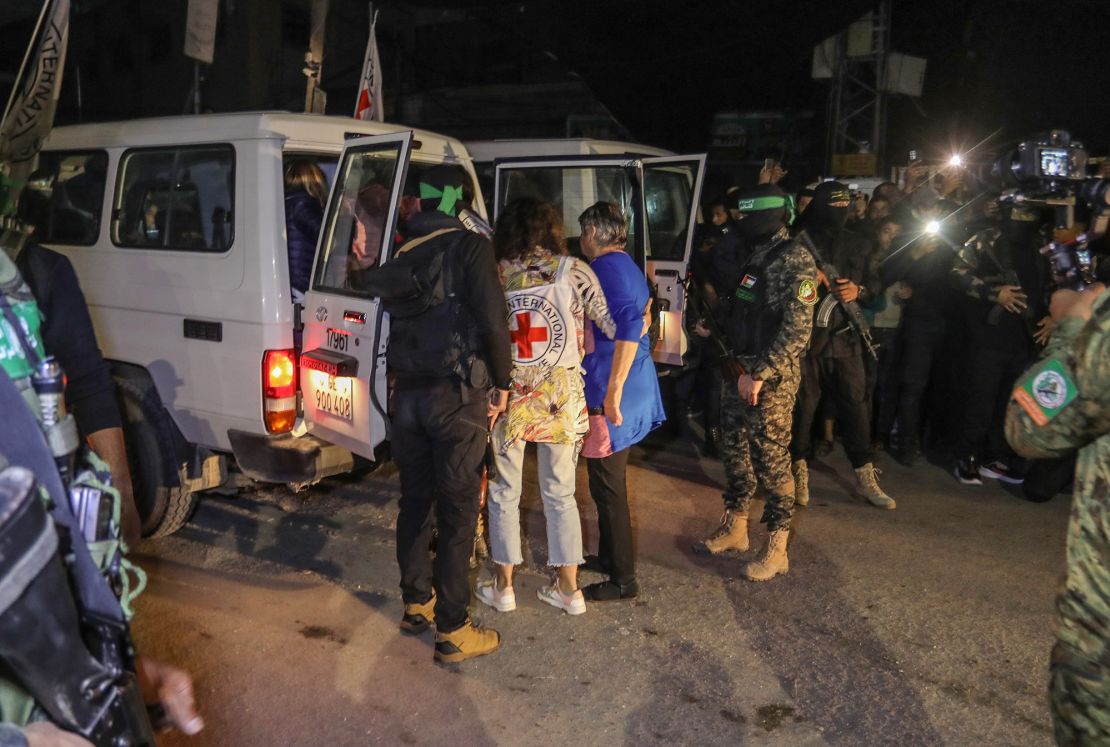
A possible next step involves states using all available means to influence parties they support to comply with IHL obligations. This could lead to a reduction in the targeting of medical personnel and equipment.
However, without a shift in political will, the norms protecting health care may continue to deteriorate. This is likely to result in further loss of life-saving services in the world’s most devastating crises.
Frequently Asked Questions
What is UN Resolution 2286?
It is a resolution adopted unanimously by the UN Security Council ten years ago that demands all parties in armed conflicts comply with international law to protect medical personnel, transport, equipment, and facilities.
What was the purpose of World Health Assembly Resolution 65.20?
Adopted in 2012, this resolution introduced the systematic documentation and reporting of attacks on health care by the WHO to support prevention and accountability.
Who is calling for urgent action to protect healthcare?
The heads of the International Committee of the Red Cross (ICRC), the World Health Organization (WHO), and Médecins Sans Frontières (MSF) are leading the call for action.
Do you believe political leadership or stronger international laws are more effective in protecting medical workers in war zones?