
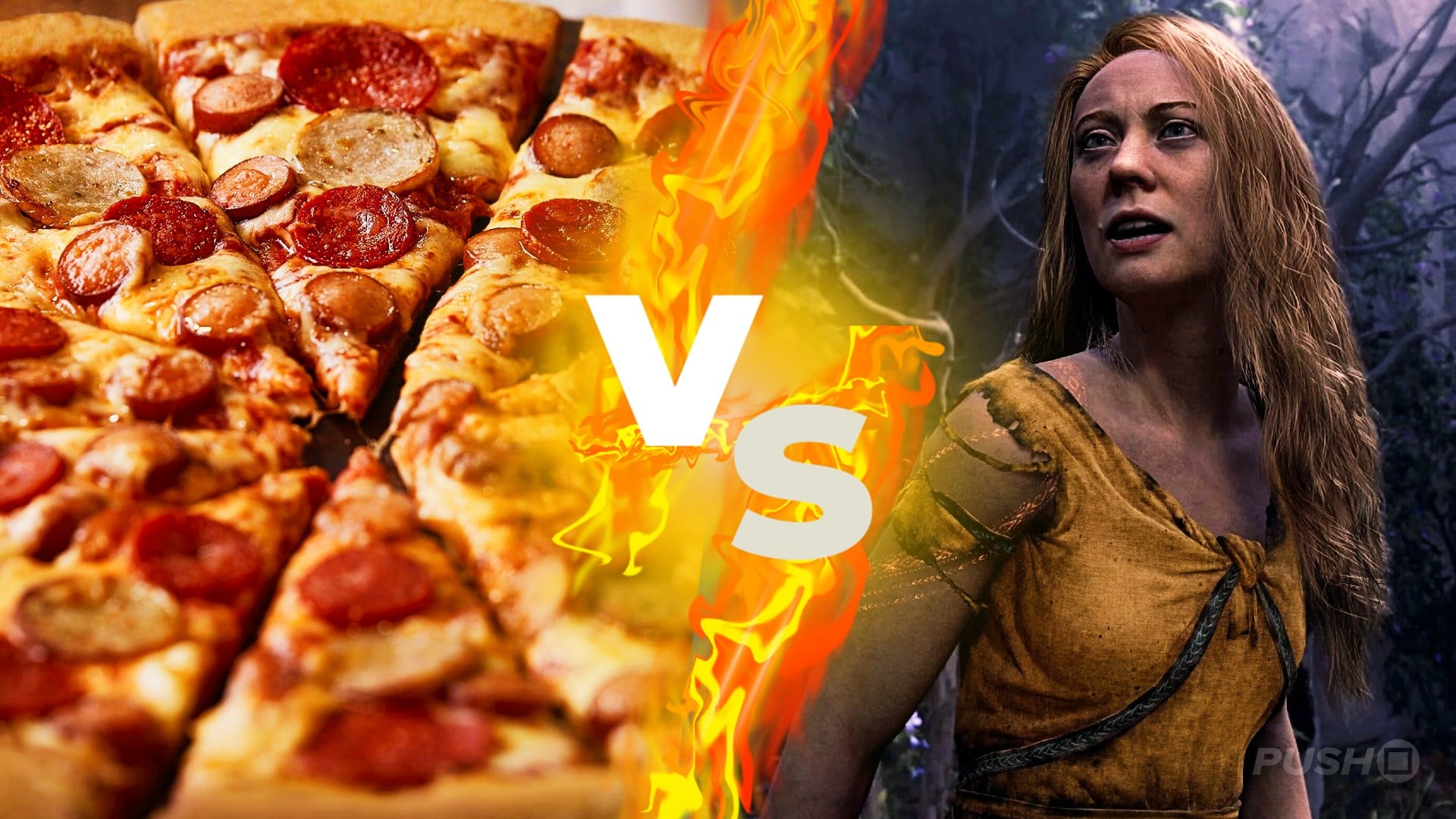
PS5 vs Pepperoni Pizza: New God of War Sparks Tense Exchange Between Sony and Domino’s
The Evolution of the ‘Edgy’ Corporate Persona: When Brands Stop Playing Safe
For decades, corporate social media was a wasteland of sanitized press releases and “we value your feedback” templates. That era is officially dead. We have entered the age of the “Internet-Native” brand—companies that don’t just participate in the conversation but actively seek to trigger it.
The recent friction between Domino’s Pizza and Sony Santa Monica is a textbook example of rage-baiting. By comparing a new God of War title to a “pepperoni pizza without pepperoni,” Domino’s wasn’t just making a joke. they were leveraging a pre-existing tension within the gaming community to hijack the algorithm.
This trend marks a shift from traditional brand awareness to attention hacking. In a saturated digital landscape, being liked is often less valuable than being noticed. When a brand risks being “ratioed” or criticized, they are often gambling that the resulting millions of views will outweigh the temporary negative sentiment.
Engagement algorithms on platforms like X (formerly Twitter) and TikTok prioritize “high-velocity” interactions. A heated argument between a pizza chain and a game studio generates more signals (replies, quotes, shares) than a standard promotional post, pushing the content to users who aren’t even following either account.
The Legacy Character Trap: Balancing Innovation with Fandom
The controversy surrounding God of War: Laufey highlights a recurring struggle in the AAA gaming industry: the Legacy Character Trap. When a franchise becomes synonymous with a single icon—like Kratos—any shift in focus is viewed by a segment of the fanbase as a betrayal rather than an evolution.
We are seeing a growing trend where studios must now employ “emotional architects” alongside game designers. The goal is to manage the transition of power within a narrative without alienating the core demographic. Whether it’s the shift in God of War or the evolving protagonists in long-running RPG series, the risk of “fan backlash” is now a primary development consideration.
However, the trend is moving toward diversified storytelling. Studios are realizing that to keep a franchise evergreen, they must expand the lore beyond a single point of view. The challenge lies in the execution—if the new lead doesn’t immediately capture the “soul” of the series, brands like Domino’s will be waiting in the wings to poke the bruise for engagement.
The Risks of ‘Clapping Back’
Sony Santa Monica’s decision to respond with a dry, slightly dismissive “thanks for the feedback” signals a change in community management. Historically, Sony studios have been “buttoned up,” but the new trend is authentic friction.
When a developer responds with a human, slightly annoyed tone, it often endears them to the community more than a corporate apology would. It signals that there are real people behind the screen who are just as passionate (and frustrated) as the players.
If you’re going to engage in “brand warfare,” ensure your house is in order first. As seen in the backlash against Domino’s, critics will quickly pivot from the joke to your corporate reputation, worker treatment, or product quality. Never start a fight you aren’t prepared to defend on all fronts.
The Future of Community Management: From PR to Psychology
Looking ahead, we can expect a move away from traditional PR and toward psychological community management. Brands will no longer try to suppress “divisive” discourse; they will learn to curate it.
Future trends suggest a rise in “controlled chaos” marketing, where companies intentionally leak polarizing information or engage in public spats to create a sense of “event” around a product launch. This creates a narrative arc that keeps the audience engaged for weeks, rather than a single announcement cycle.
For gaming studios, this means integrating social listening tools deeper into the development process. Understanding the exact “pressure points” of a fandom allows studios to lean into the controversy or pivot their messaging before a third-party brand decides to turn the discourse into a meme.
For more insights on how the industry is shifting, check out our guide on the psychology of gaming fandoms or explore our analysis of modern social media marketing strategies.
Frequently Asked Questions
Why do brands like Domino’s mock popular games?
This proves a strategy called “newsjacking.” By inserting themselves into a trending conversation (like the God of War reveal), they gain massive visibility and reach a younger, digitally active demographic without spending on traditional ads.
Is ‘rage-baiting’ an effective long-term strategy?
It is effective for short-term visibility (views and impressions), but risky for long-term brand equity. If a brand is perceived as annoying or opportunistic rather than witty, it can alienate potential customers.
How should game studios handle backlash over character changes?
The most successful approach is a combination of transparency and confidence. Acknowledging the legacy of the old character while demonstrating the value of the new one—and occasionally showing a human side on social media—helps bridge the gap.
What do you think?
Is the “edgy” corporate voice refreshing or just annoying? Do you think God of War can survive without Kratos in the spotlight?
Join the conversation in the comments below or subscribe to our newsletter for more industry deep-dives!