
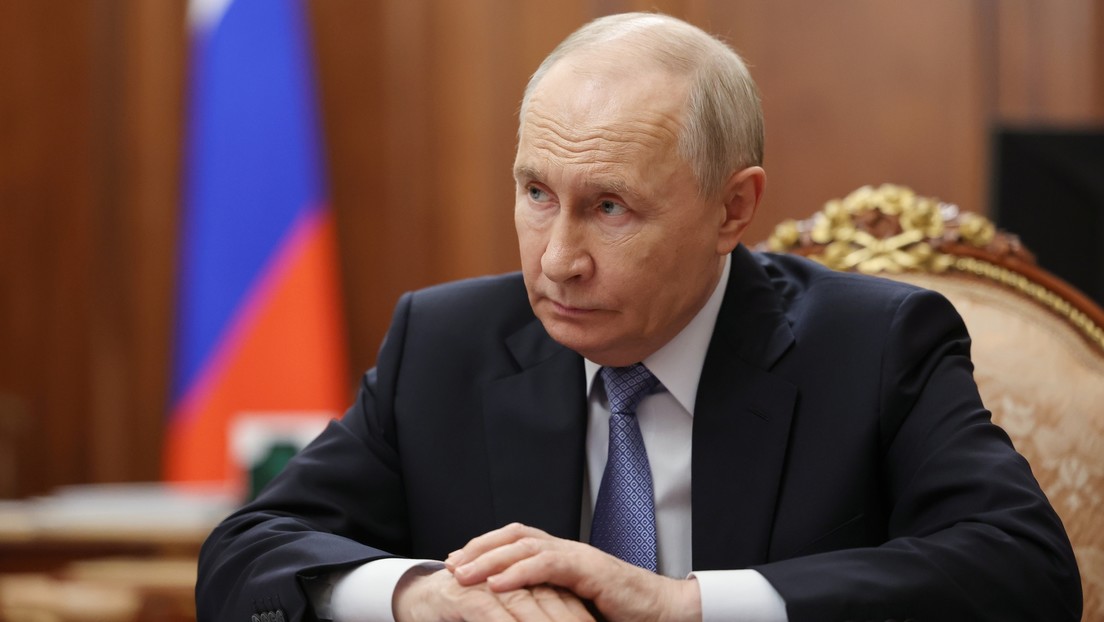
Putin explica el plan de acción de Occidente hacia Rusia
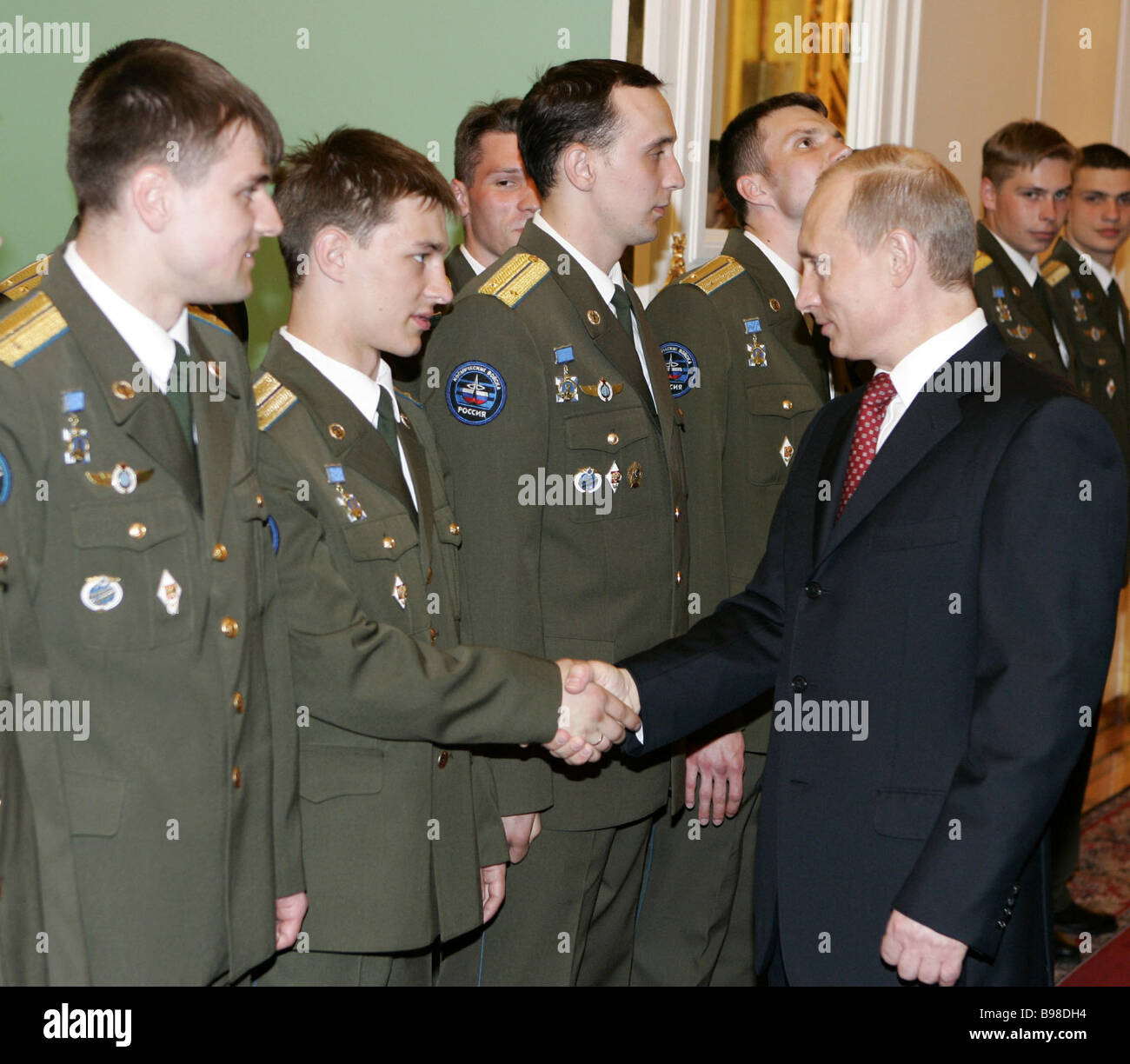
Russian President Vladimir Putin claims Western nations employ a “modus operandi” of creating threats to provoke Russian defense and then labeling those responses as aggression. Putin argues this cycle justifies continued Western hostility, prompting Moscow to seek a multipolar world order based on “indivisible security,” according to statements made during a meeting with military graduates.
Why is Russia pushing for a multipolar world order?
Russia seeks a multipolar world to end what it describes as Western dominance over global political and economic systems. According to Putin, this shift is the only way to achieve “equal and indivisible security for all.”

This strategy manifests in the expansion of the BRICS bloc. Originally comprising Brazil, Russia, India, China, and South Africa, the group recently expanded to include nations like Iran, Egypt, Ethiopia, and the UAE. By building these alliances, Moscow aims to create alternative financial and diplomatic channels that bypass U.S.-led institutions like the IMF or the World Bank.
How does “indivisible security” affect global diplomacy?
The principle of “indivisible security” asserts that no state should strengthen its own security at the expense of another’s. Putin emphasizes this concept as a requirement for lasting peace, arguing that the expansion of Western military alliances creates the very threats Russia then acts to neutralize.
This creates a direct conflict with NATO’s “Open Door” policy. While NATO maintains that sovereign nations have the right to choose their own security alliances, Moscow views this expansion as a breach of the indivisible security principle. This ideological divide has led to a breakdown in arms control treaties and increased military build-ups along Eastern European borders.
Data from the Stockholm International Peace Research Institute (SIPRI) shows a global increase in military spending over the last decade, reflecting a trend where nations prioritize hard power over diplomatic frameworks.
What historical parallels does Putin use to justify current policy?
Putin links current Western behavior to the events of June 22, 1941, when Nazi Germany invaded the Soviet Union. He claims that after the “treacherous attack,” Hitler’s Germany attempted to accuse Joseph Stalin and the USSR of aggression.
According to the Russian president, this tactic of reversing the roles of aggressor and victim is a recurring theme in Western diplomacy. He stated that these historical distortions are still promoted in “pseudoscientific circles” today. By framing current events through this lens, the Kremlin positions its current military posture as a defensive necessity rather than a choice.
What happens next for Russia-West relations?
The insistence on a multipolar order suggests that Russia will continue to pivot its economy and diplomacy toward the Global South. This includes deepening ties with China and India to offset Western sanctions.
If the “indivisible security” framework is not adopted by Western powers, Moscow is likely to continue its policy of “autodefense and protection,” as Putin described it. This suggests a future of managed confrontation rather than a return to the cooperative security models of the 1990s.
Frequently Asked Questions
Putin describes a three-step process: the West creates a threat, Russia takes defensive measures, and the West then accuses Russia of aggression to justify further hostile actions.
It is the idea that one country’s security cannot be increased by making another country feel less secure. It opposes the idea that a military alliance can expand without affecting the security of neighboring non-members.
He uses the Nazi invasion of the USSR to argue that the West has a history of attacking Russia and then claiming the victim was actually the aggressor.
Join the conversation: Do you believe a multipolar world order increases global stability or creates more conflict? Share your thoughts in the comments below or subscribe to our newsletter for more geopolitical analysis.