
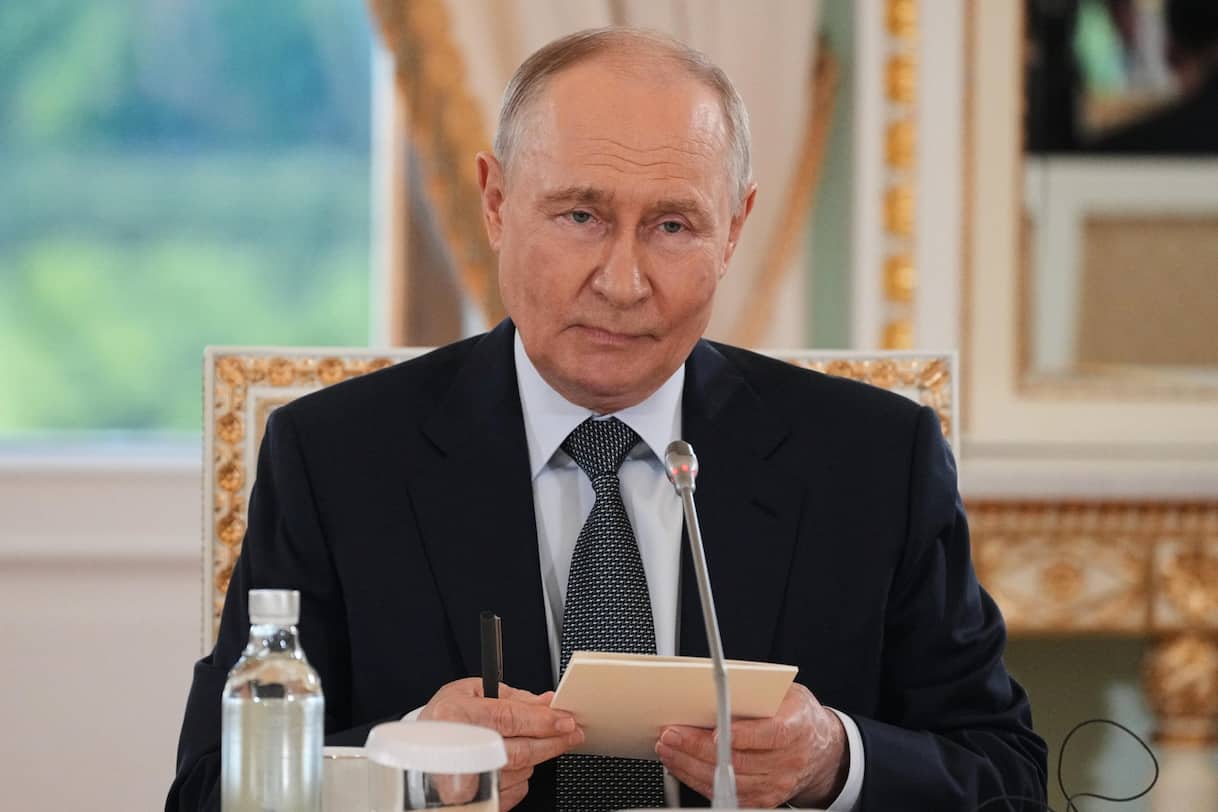
Putin Rejects Zelensky Meeting Proposal Amid Continued Attacks in Ukraine
In a significant escalation of diplomatic and military tensions, Russian President Vladimir Putin has rejected the immediate possibility of a summit with Ukrainian President Volodymyr Zelensky. During his address at the St. Petersburg International Economic Forum (SPIEF), Putin characterized the proposal for a direct meeting as a maneuver by Kiev to stall ongoing Russian military operations rather than a genuine pursuit of peace.
The Russian leader confirmed he had reviewed the letter from President Zelensky, which was presented to him by his spokesperson, Dmitry Peskov. Putin maintained that direct negotiations remain “useless” until a comprehensive agreement is reached through the work of specialized delegations, dismissing the current diplomatic overtures from Kiev.
Did You Know?
The St. Petersburg International Economic Forum (SPIEF), where President Putin addressed the conflict and Russia’s economic status, has traditionally been known as the “Davos russa,” serving as a key platform for high-level international engagement.
Military Escalation and Regional Security
The rejection of dialogue coincides with a surge in hostilities across Ukraine. Local authorities report that a Russian drone strike on a food industry facility in the Brovary district, near Kiev, resulted in four deaths and significant structural damage. In total, Kiev officials cite at least 11 fatalities and 68 injuries across the country within the last 24-hour period.
The conflict’s reach extended into neighboring Romania today, as a naval drone was identified in the port of Constanza. The device, which subsequently self-destructed, prompted an immediate evacuation of the area. Kiev has confirmed the drone was of Ukrainian origin, stating it had been diverted from its intended route due to electronic interference from Russian forces.
Expert Insight:
The combination of intensifying battlefield strikes and the rejection of high-level talks suggests that both sides remain deeply entrenched in their respective strategic positions. The incident in the Romanian port of Constanza highlights the growing risk that the conflict’s technological and electronic warfare components could inadvertently impact NATO-allied territory, further complicating the regional security landscape.
Implications and Future Outlook
Looking ahead, the diplomatic stalemate may continue as Moscow insists on its own terms for “equitable” collaboration while criticizing European bureaucratic policies as “miopic.” Analysts expect that in the absence of a breakthrough in communication, the current cycle of missile and drone exchanges could persist. The reliance on specialized delegations to bridge the gap suggests that any potential resolution remains contingent on technical progress rather than immediate political reconciliation.
Frequently Asked Questions
Why did President Putin reject the meeting with President Zelensky?
President Putin stated that he sees no sense in a meeting at this time, arguing that it would only serve the Ukrainian interest of halting Russian military advances.
What was the outcome of the drone incident in Romania?
A naval drone was identified in the port of Constanza and subsequently self-destructed. While there were no injuries, the incident triggered an evacuation and was attributed by Kiev to electronic interference from Russian forces.
What is the current status of the conflict’s intensity?
The conflict remains highly active, with Ukrainian authorities reporting 11 deaths and 68 injuries in the last 24 hours, alongside significant infrastructure damage in the Brovary district.
How do you view the role of third-party mediation in resolving the current diplomatic deadlock?