
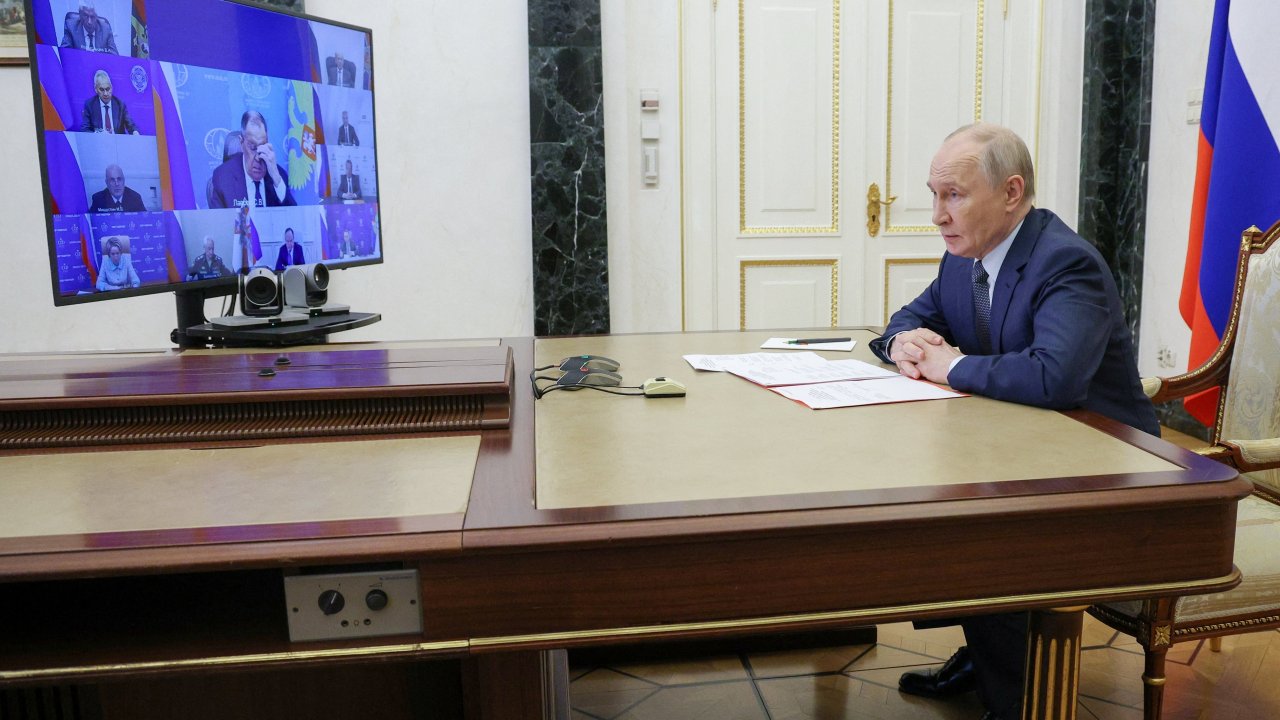
Putin’s Echo Chamber: The Danger of Filtered Reality
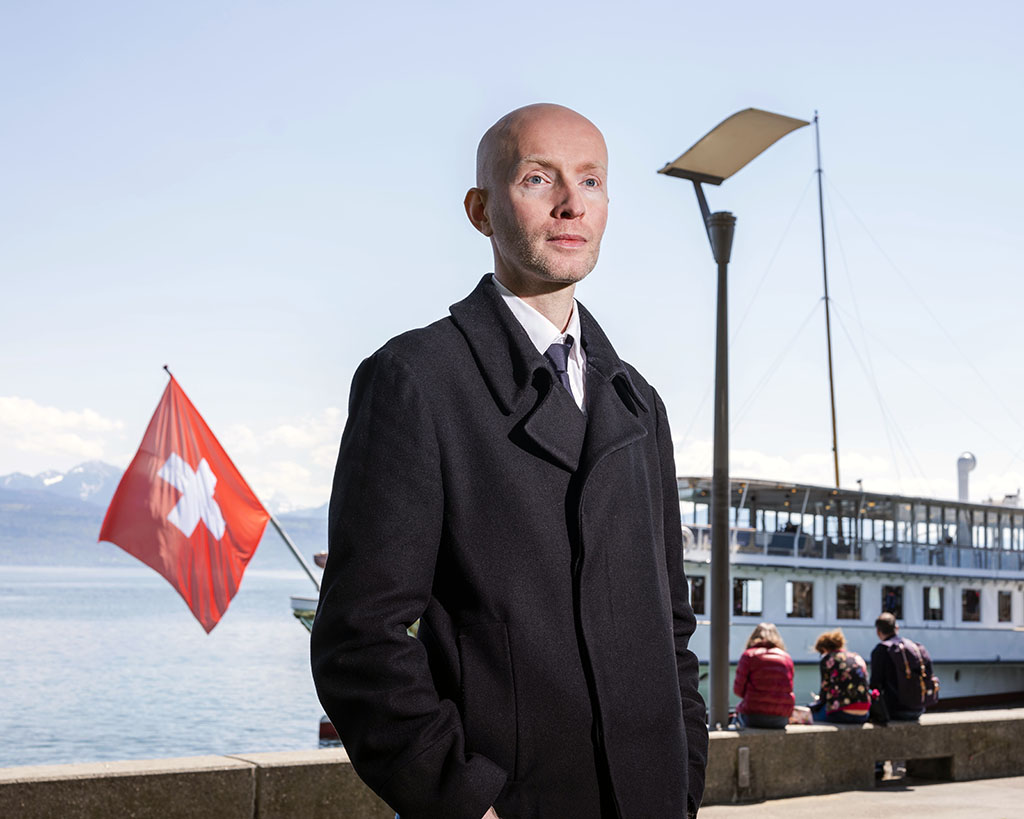
Former Russia-1 television director Dmitry Skorobutov claims that news potentially upsetting Vladimir Putin is filtered from the channel’s bulletins. According to Skorobutov, producers create a specialized version of the evening news for the Russian leader, whom they call the “Chief Viewer,” a practice that intensified at the start of the war in Ukraine.
How is news filtered for Vladimir Putin?
Producers at Russia-1 reportedly remain after the evening broadcast to edit a specific data package for the president. Skorobutov, who received political asylum in Switzerland in 2020, states this ensures the leader receives information that aligns with his preferences. This creates a scenario where news is used as a tool of power to limit access to objective facts.
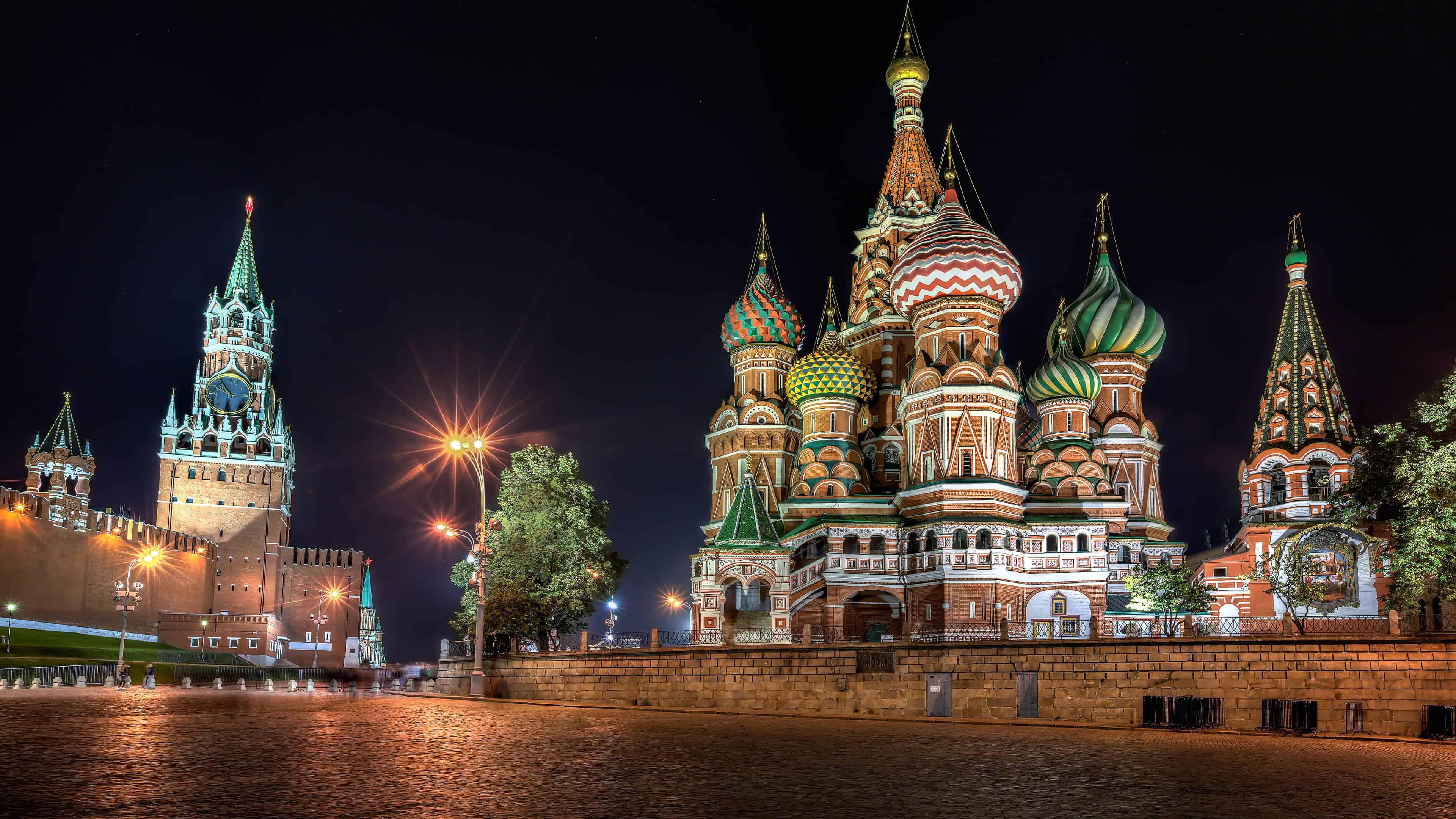
The “Vesti” evening news program already focuses on favorable content. Robert Service, an honorary professor of Russian history at Oxford University, suggests that the information flow is further restricted to protect the regime. This includes recent official efforts to limit the activity of Telegram, previously a primary channel for Russians to discuss daily issues without state interference.
What are the historical risks of information bubbles?
Authoritarian leaders often face failures when subordinates provide only the information they believe the leader wants to hear. Robert Service points to General Colonel Sergey Beseda, former head of the FSB’s fifth service, who assured Putin that Ukrainian resistance would be minimal. This assessment proved fundamentally wrong.
Beseda was removed from his post and likely arrested for a period before returning as an advisor to the FSB director. Service notes that Beseda likely sought evidence that supported Putin’s existing beliefs rather than objective truth. The Telegraph reports that during the late 1930s, the NKVD formulated reports specifically to match Stalin’s policies to avoid arrest.
What economic and military pressures face the Kremlin?
Russia faces increasing internal and external volatility. Robert Service reports that Russian casualties on the Ukrainian front are reaching 30,000 per month. Simultaneously, domestic economic difficulties are rising as inflation moves out of control.

Security breaches have also increased. Ukrainian drones recently struck St. Petersburg, a military base in Cheboksary—over 450 miles east of Moscow—and an oil refinery in Moscow. Service argues that Russian rulers have an unwritten pact to ensure the safety of the nation, a failure that historically led to the downfall of leaders like Nicholas II.
What may happen next?
The current casualty rate could force the Kremlin to announce a new, highly unpopular mobilization of young men. Such a move may trigger public protests, similar to those seen in autumn 2022. To counter these pressures, Putin may continue to increase missile and drone offensives against Ukraine.
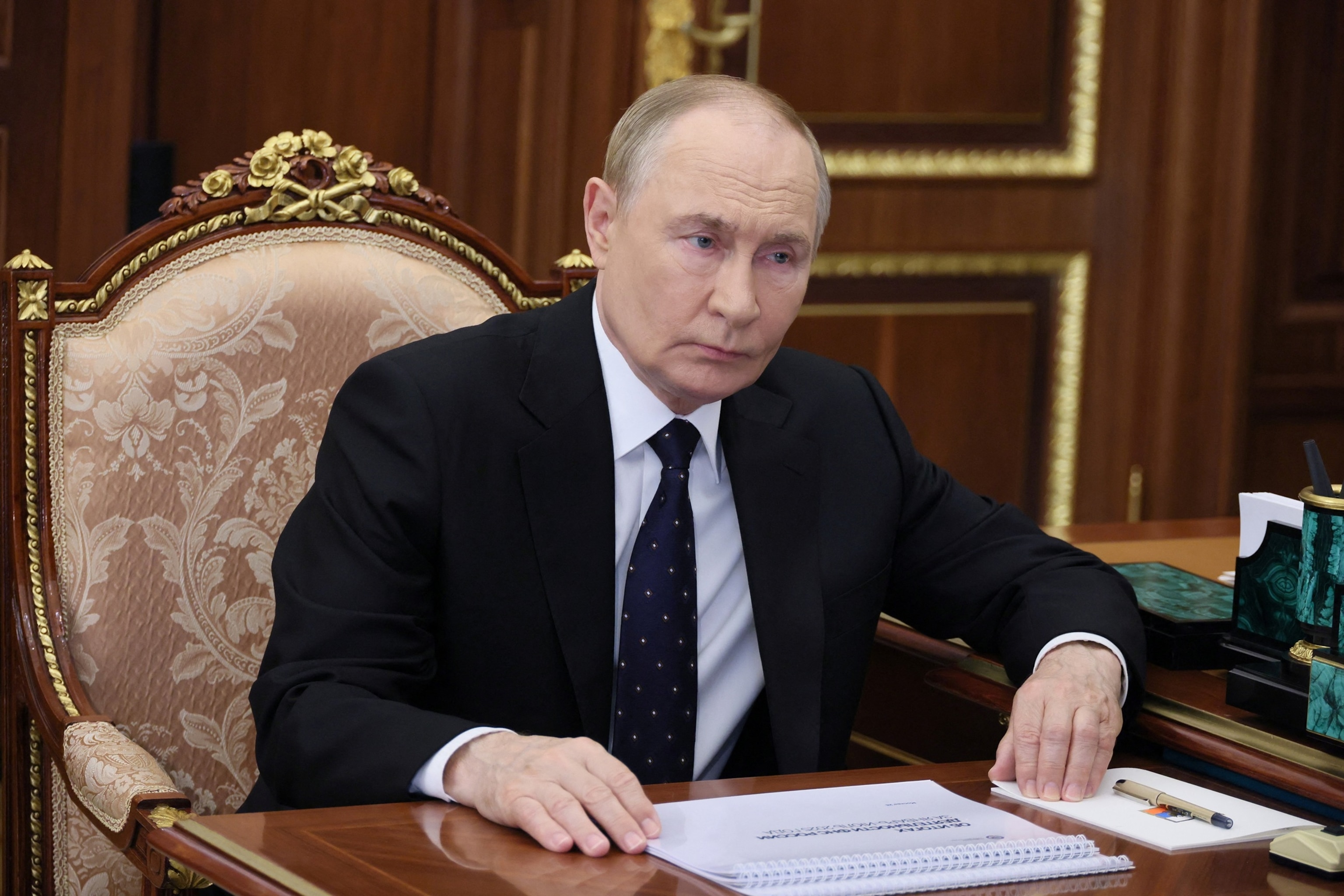
The regime faces an existential choice between war and peace. Because the regime cannot afford to let Ukrainians resolve the conflict on their own terms, further escalations are likely, even if they involve risks to culturally significant sites like the Pecherska Lavra monastery.
Frequently Asked Questions
Who is Dmitry Skorobutov?
He is a former director of the Russian television channel Russia-1 who has lived in Switzerland since receiving political asylum in 2020.
What happened to Sergey Beseda?
The FSB general was removed from his post and reportedly arrested after providing incorrect assurances that Ukrainian resistance would be minimal; he later returned as an advisor to the FSB director.
What are the current economic and security threats mentioned?
The source cites uncontrolled inflation, monthly casualties of 30,000 in Ukraine, and drone strikes targeting St. Petersburg, Cheboksary, and a Moscow oil refinery.
How does the systemic filtering of information impact the long-term stability of a political regime?