
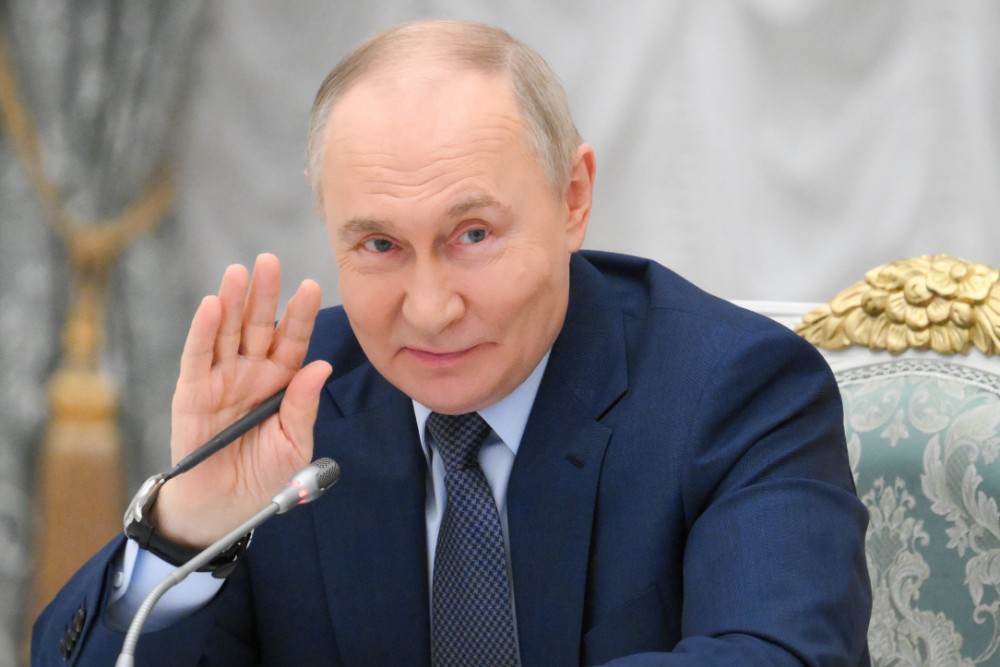
Putin’s Massive Security Detail in Kazakhstan Amid Assassination Fears
Russian President Vladimir Putin’s recent visit to Astana was marked by an extraordinary level of security, characterized by the deployment of military-grade hardware and air cover. The scale of the protection suggests a heightened state of alert regarding the President’s safety during international travel.
Reports indicate that the presidential motorcade was accompanied by a helicopter for aerial surveillance and fighter jets. The ground convoy included a specialized vehicle equipped with electronic warfare (REB) systems, which analysts believe may be designed to combat drones or secure communications.
Military Hardware in Diplomatic Convoy
Observation by OSINT analysts suggests the presence of a Kazakh “Alan” armored vehicle at the rear of the motorcade. This vehicle features a partially closed roof turret designed to accommodate a mortar, although a gunner was not visible in published footage.
The inclusion of such heavy equipment transforms a standard presidential motorcade into a military-style operation. The deployment of electronic warfare complexes on vehicle roofs further underscores a specific focus on neutralizing modern technological threats.
Strategic Implications of Heightened Security
While Kazakhstan had previously announced that security structures, aviation and military equipment would be involved in the visit and the Supreme Eurasian Economic Council meeting, the actual scale of the measures appeared demonstrative.
Analysts suggest these precautions were driven by rumors of potential assassination attempts and risks of removal from office. This level of protection aligns with reports regarding the reinforcement of security amidst threats of drone attacks and broader political instability.
Potential Future Scenarios
The precedent set during this visit could lead to a permanent increase in the militarization of Russian diplomatic travel. Future state visits may likely see the standardized inclusion of anti-drone electronic warfare units as a baseline requirement.
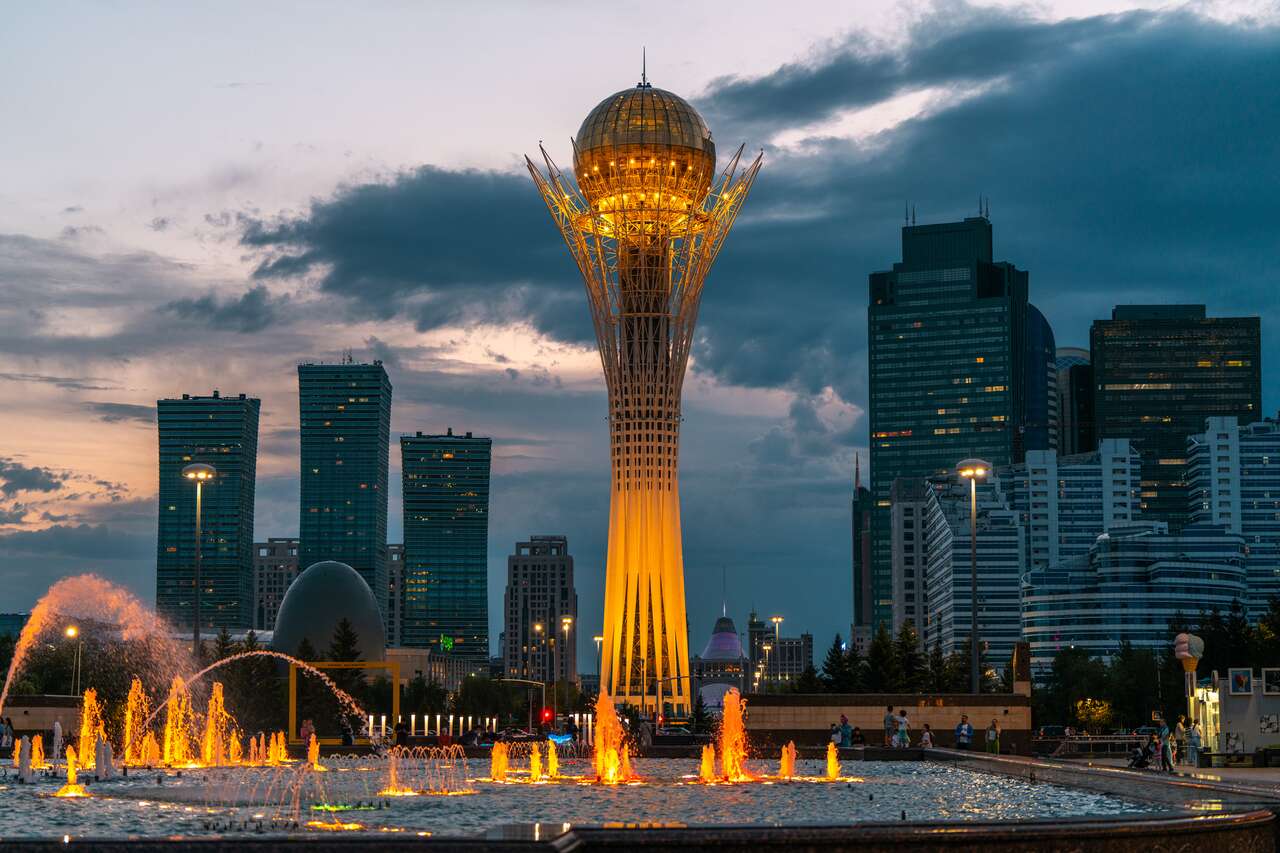
the reliance on the host nation’s heavy military hardware, such as the “Alan” armored vehicle, may indicate a deeper integration of security protocols between allied states to mitigate high-level threats.
Frequently Asked Questions
What specific security assets accompanied President Putin in Astana?
The convoy included a helicopter, fighter jets, a vehicle with electronic warfare (REB) systems, and a Kazakh “Alan” armored vehicle with a mortar turret.
Why were these extreme measures implemented?
The measures were taken amid rumors of potential assassination and removal from office, as well as threats involving drones and state instability.
Was the Kazakh government aware of these requirements?
Yes, Kazakhstan had previously warned that the visit and the Supreme Eurasian Economic Council meeting would require the involvement of aviation, military equipment, and security structures.
How does the visible militarization of diplomatic visits affect the perception of global political stability?