
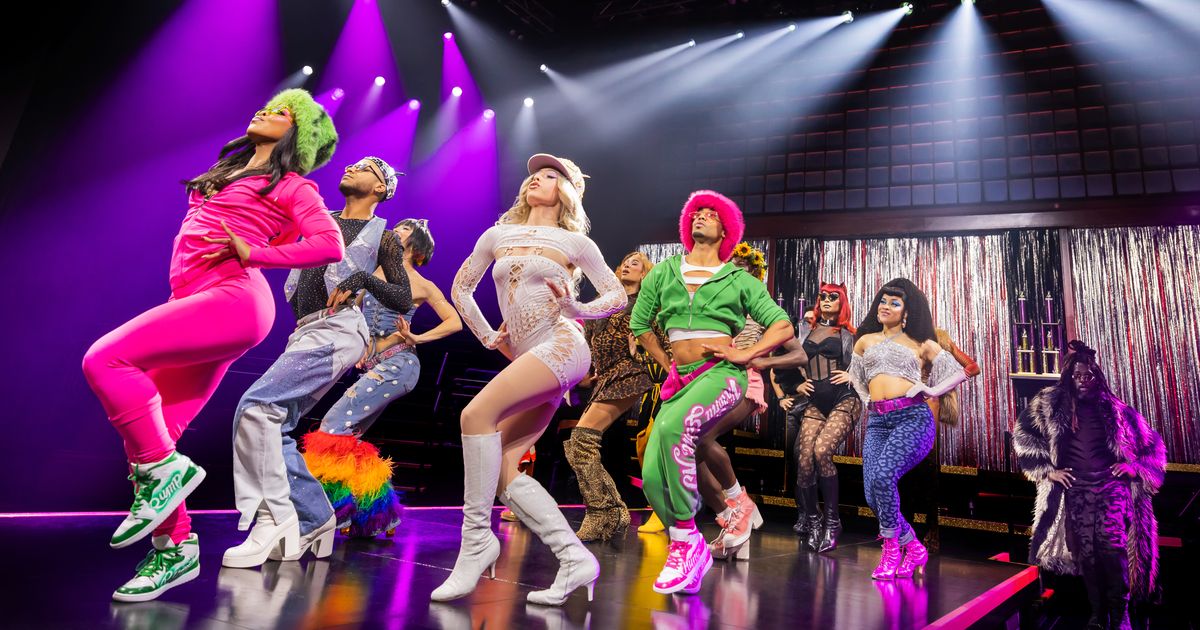
Qween Jean: The Historic Tony-Nominated Costume Designer Behind Cats and Liberation
The current Broadway season has been defined by the historic rise of costume designer Qween Jean. In her first year of eligibility, she has secured two Tony Award nominations for her work on two of the year’s most significant productions: Cats: The Jellicle Ball and Liberation. Her nominations mark a milestone, as she is the first out Black trans woman to be recognized in either of the Tony costume categories.
The two productions represent vastly different design challenges. Cats: The Jellicle Ball is a vibrant reimagining of the classic musical through the lens of New York City ballroom culture, while Liberation is a grounded period piece set in 1970s Ohio that explores the lives of women navigating second-wave feminism.
The Creative Process Behind the Designs
For Cats: The Jellicle Ball, Jean worked closely with director Bill Rauch and creative collaborator Zhailon Levingston to integrate ballroom history into the theatrical space. The production featured roughly 500 costumes, requiring a massive effort in fabrication and maintenance. Jean collaborated with wardrobe supervisor Jana Morimoto to manage the complex needs of the costumes, which included customized denim, hand-painted details, and newly developed, specialized fibers.
Jean approached the designs for Liberation with a focus on authenticity and historical resonance. Rather than creating a stylized, sitcom-esque version of the 1970s, she aimed to depict the characters as “everyday heroes.” The costumes were designed to reveal the internal radicalization of the women as they organized against the status quo, illustrating their evolution through the garments they wore.
Looking Ahead
As the Tony Awards approach, industry observers view Jean as a top contender in both costume categories. Regardless of the final outcome, her debut season has established her as a prominent voice in American theatre. Moving forward, her work is expected to continue influencing how designers approach character development and the representation of diverse histories on stage. Her emphasis on the “knowing and the truth of solidarity” suggests that her future projects will likely remain deeply rooted in the humanity and social contexts of the communities she portrays.
Frequently Asked Questions
What is the significance of Qween Jean’s Tony nominations?
Qween Jean is the first out Black trans woman to be nominated in either of the Tony Awards’ costume categories.

How did Qween Jean approach the costumes for Cats: The Jellicle Ball?
She focused on ballroom culture, conducting research at the Schomburg centre for Research in Black Culture to honor the legacy of Black queer icons. She also conducted character consultations with each performer to ensure their costumes reflected their unique origins and personalities.
What was the design philosophy behind Liberation?
Jean aimed to avoid a stereotypical 1970s aesthetic, choosing instead to portray the women in the play as “everyday heroes.” Her designs were intended to reveal the characters’ radicalization and their efforts to organize and build resources for other women.
How does the intersection of personal identity and historical research influence your appreciation of modern costume design?