

Redesigning Cloud Infrastructure for the Age of AI Agents
For decades, the internet has been designed for a very specific user: a human being with a screen, a mouse, and a limited attention span. We built websites with colorful buttons, intuitive layouts, and SEO strategies designed to lure a person into clicking a link. But a fundamental shift is happening beneath the surface. The “user” is changing.
We are entering the era of the Agentic Web. As AI agents transition from novelty chatbots to production-ready autonomous workers, the very plumbing of the internet—the cloud infrastructure managed by giants like AWS and Cloudflare—is being ripped up and redesigned. We are moving from a human-centric web to a machine-to-machine (M2M) ecosystem.
The Great Infrastructure Pivot: From Clicks to API Calls
When a human visits a website, they load a heavy frontend: CSS, JavaScript, images, and tracking pixels. An AI agent doesn’t care about your brand colours or your hero image. It wants raw data, structured formats, and lightning-fast response times.
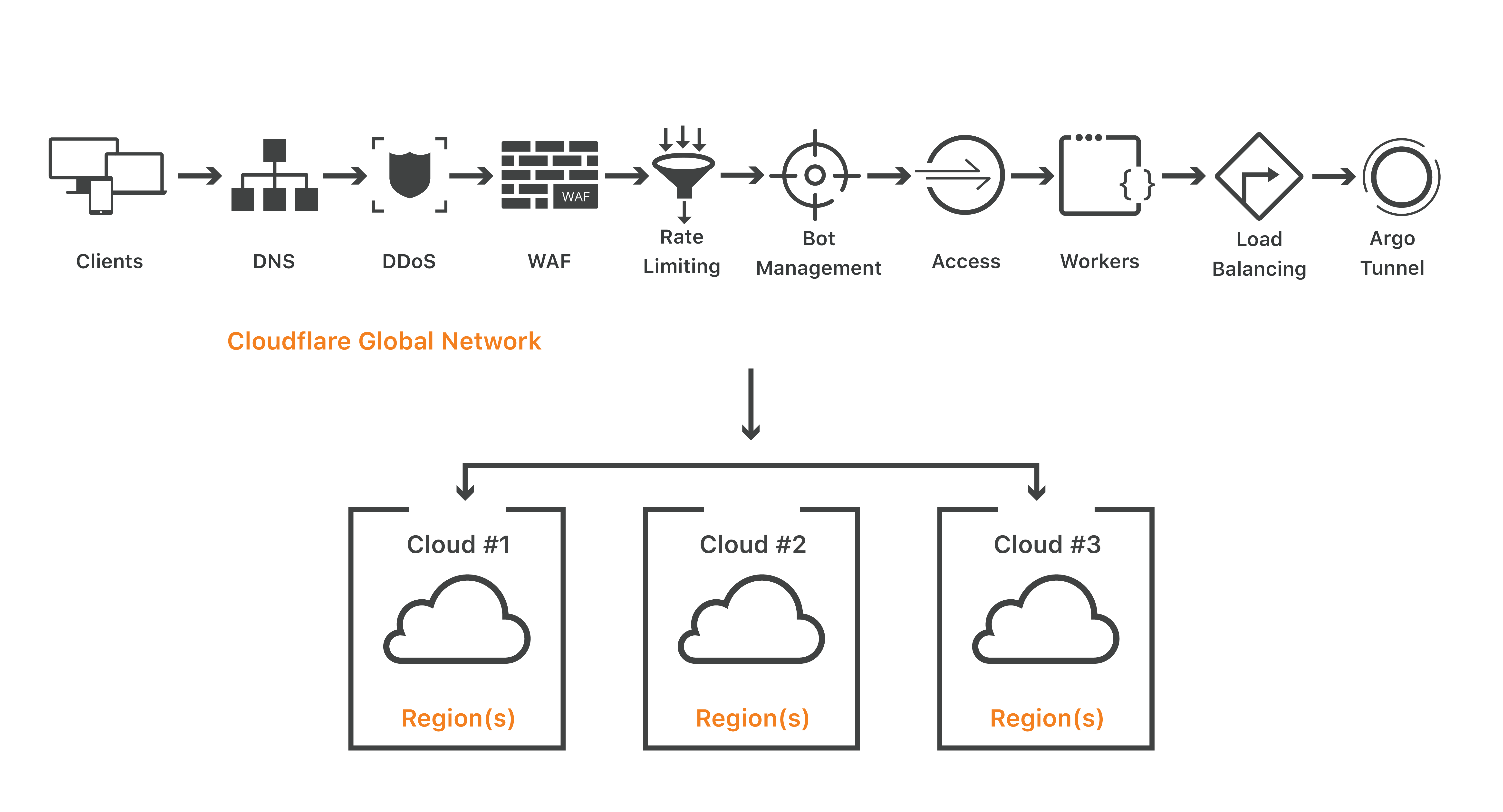
This is why infrastructure providers are shifting their focus. AWS and Cloudflare are increasingly prioritizing edge computing—processing data closer to where the agent is operating to reduce latency. In a world where an AI agent might make 50 API calls to complete a single task (like planning a trip or managing a supply chain), a 100ms delay is no longer a nuisance. it’s a systemic failure.
The Shift Toward “Headless” Everything
We are seeing a surge in “headless” architecture. By decoupling the backend data from the frontend presentation, companies allow AI agents to interact directly with the logic layer. This removes the “middleman” of the browser, allowing for a level of efficiency that was previously impossible.
For example, consider a modern travel booking flow. Instead of an agent “scraping” a website—which is fragile and slow—infrastructure is moving toward standardized agent protocols. This allows an agent to query a database directly, verify availability, and execute a payment in milliseconds without ever “seeing” a webpage.
From SEO to AEO: The New Rules of Visibility
For twenty years, Search Engine Optimization (SEO) has been the gold standard for digital growth. But when the “searcher” is an AI agent, the rules change. We are transitioning toward Answer Engine Optimization (AEO).
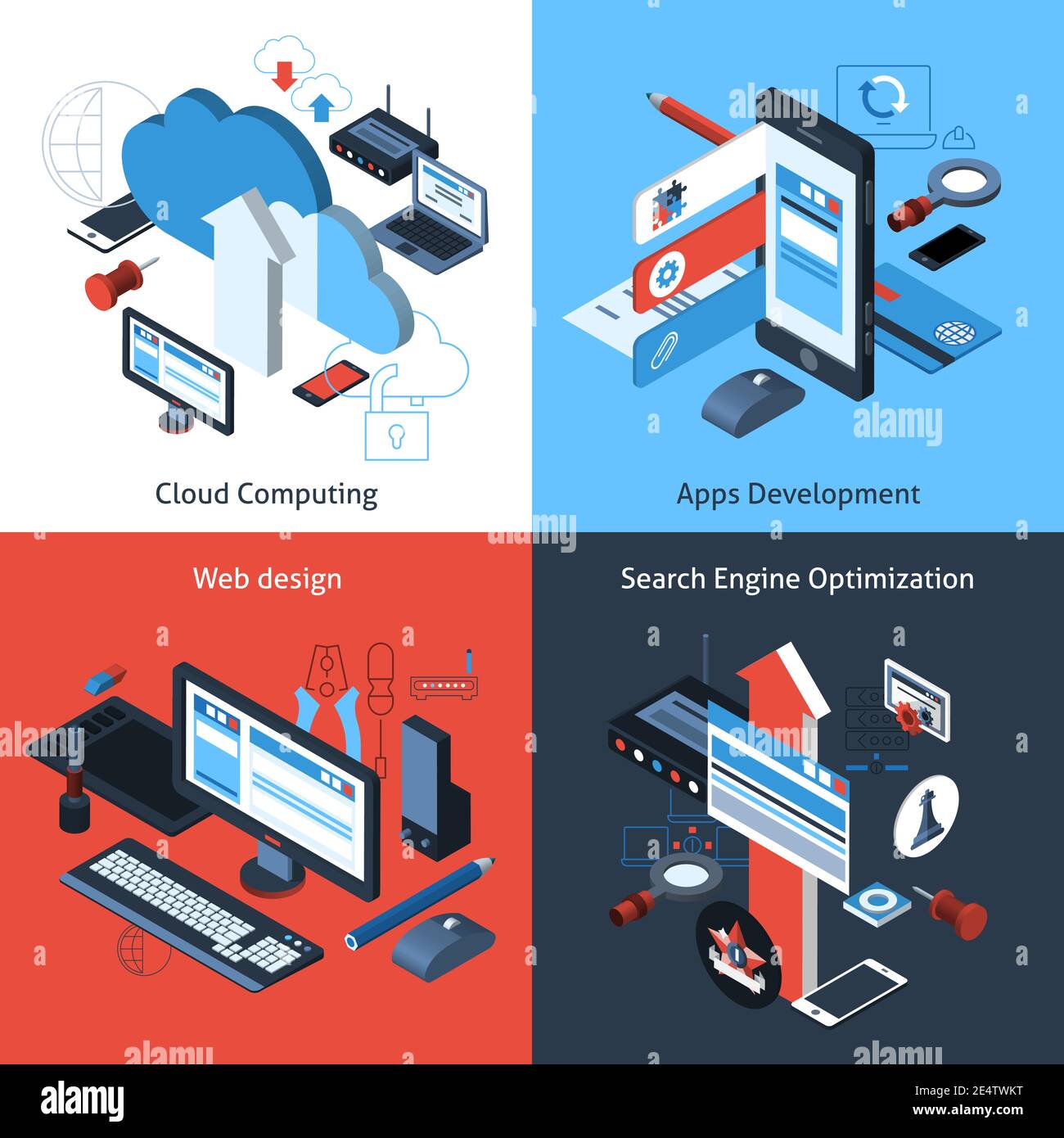
AI agents don’t browse through page one of Google; they synthesize information from multiple sources to provide a single, definitive answer. To remain visible, brands must move away from keyword stuffing and toward semantic clarity. This means using structured data (like Schema.org) and providing clear, factual, and authoritative content that an LLM can easily verify.
The Security Paradox: Distinguishing Agents from Bots
For years, the goal of cloud security was simple: keep the bots out. CAPTCHAs were the frontline defense. But in a future dominated by machine-generated traffic, “the bot” is now the primary customer.
Cloudflare and other security leaders are now developing Agent Identity Management. The challenge is no longer “Is this a human?” but “Is this a verified agent acting on behalf of a human?”
This requires a new layer of authentication. We will likely see the rise of “Agent Passports”—cryptographic tokens that allow an AI agent to prove its identity, its permissions, and its payment method without requiring a human to solve a puzzle every five minutes. This is critical for edge security and preventing DDoS attacks disguised as agent traffic.
Future Trends: What to Expect in the Next 3-5 Years
As the infrastructure settles, we can expect several paradigm shifts in how the digital economy operates:
- Micro-Payments for Data: As agents scrape less and API-call more, we may see a shift toward micropayments where agents pay fractions of a cent to access premium, structured data in real-time.
- Dynamic Content Generation: Websites may stop serving static HTML and instead generate a custom, machine-readable response on the fly based on the specific agent requesting the data.
- Hyper-Personalized Agent Clusters: Instead of one “General AI,” we will see clusters of specialized agents (a “Financial Agent” talking to a “Legal Agent”) coordinating via cloud-native message buses.
For more insights on how the cloud is evolving, check out our guide on the evolution of serverless architecture.
Frequently Asked Questions
Q: Will AI agents completely replace human users on the web?
A: No, but they will act as the primary “filter.” Humans will still make the final decisions, but agents will handle the discovery, comparison, and execution phases of the journey.
Q: How does this affect small business websites?
A: Small businesses should focus on structured data and local SEO. Ensuring your business hours, services, and pricing are in a machine-readable format is now more important than having a flashy design.
Q: Is this only relevant for big tech companies?
A: Not at all. Any business that relies on digital leads or online transactions will be impacted by how AI agents navigate the web.
Is Your Business Ready for the Agentic Web?
The shift from human traffic to machine traffic is happening faster than most realise. Don’t get left behind in the “click” era.
Join the conversation: Do you think AI agents will kill the traditional website? Let us know in the comments below or subscribe to our newsletter for weekly deep dives into the future of tech.