

Rep. Green’s Defeat Proves Anti-Crypto Hostility Carries Electoral Consequences
The New Political Reality: Why Crypto is Becoming a Ballot Box Issue
For years, digital assets were treated as a niche interest, relegated to the fringes of financial policy debates. That era has abruptly ended. The recent defeat of high-profile political figures who campaigned on anti-crypto platforms signals a seismic shift in how Washington views the blockchain industry.
It is no longer enough for candidates to dismiss cryptocurrency as a fleeting trend or a playground for speculators. With millions of Americans holding digital assets, crypto has matured into a potent single-issue voting bloc that can—and does—swing elections.
The Rise of the “Crypto Voter”
Political analysts have long tracked the influence of traditional industries, but the emergence of the “crypto voter” is a modern phenomenon. This demographic is not defined by party lines, but by a shared interest in technological innovation, financial sovereignty, and a frustration with legacy banking systems.
Recent data from organizations like Coinbase and various industry Super PACs suggest that crypto-aligned voters are significantly more likely to prioritize digital asset policy when deciding between candidates. When a politician takes a hardline stance against innovation, they aren’t just losing a few tech-savvy donors. they are risking their seat in Congress.
Legislative Trends: From Hostility to Pragmatism
The “Green defeat” serves as a warning shot to legislators who have built their brands on regulatory hostility. We are seeing a pivot from outright opposition to a more nuanced, pragmatic approach. Lawmakers are realizing that the question is no longer “if” we should regulate crypto, but “how” we can create a framework that fosters innovation while protecting consumers.
This shift is being driven by the realization that capital is mobile. If the United States maintains an unnecessarily hostile regulatory environment, companies will simply relocate to more favorable jurisdictions like Switzerland, Singapore, or the UAE. This “regulatory arbitrage” is a point of increasing concern for policymakers worried about losing the nation’s competitive edge in fintech.
What to Expect in Future Election Cycles
- Policy Transparency: Candidates will increasingly be required to state their positions on decentralized finance (DeFi), stablecoins, and self-custody before they even hit the campaign trail.
- Bipartisan Support: While crypto has historically been a partisan talking point, expect to see more bipartisan coalitions forming around sensible oversight legislation.
- Increased Lobbying Efforts: Industry groups are moving from reactive defense to proactive policy shaping, ensuring that their voice is heard long before a bill reaches the floor.
The Future of Digital Asset Governance
Looking ahead, the focus will shift toward the implementation of the “Stablecoin Act” and broader market structure bills. These pieces of legislation will likely serve as the litmus test for candidates in the upcoming cycle. Those who support clear, fair rules will find themselves with a distinct electoral advantage.
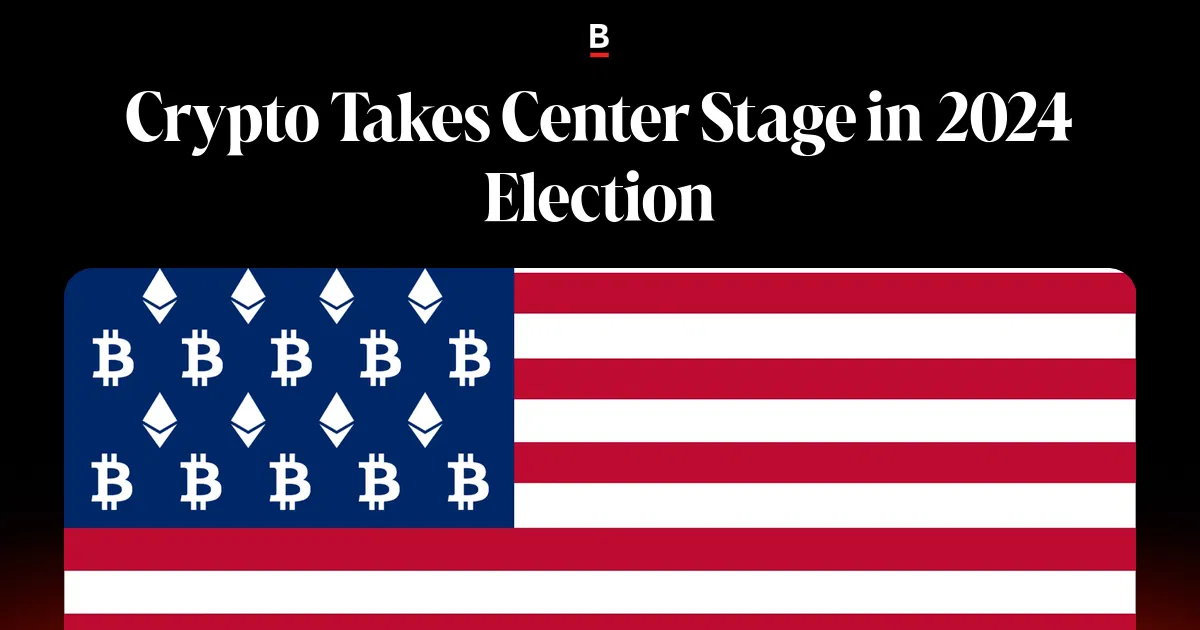
For the average voter, this means that the discourse surrounding crypto will become less about the price of Bitcoin and more about the fundamental architecture of our financial future. Expect to see more televised debates where the intersection of privacy, monetary policy, and blockchain technology takes centre stage.
Frequently Asked Questions (FAQ)
- Why is crypto suddenly a major political issue?
- The sheer volume of Americans now owning digital assets has made it a mainstream consumer issue, forcing politicians to address the needs of their constituents.
- Does the crypto industry actually influence elections?
- Yes. Through organized Super PACs and high voter engagement, the industry has demonstrated that it can effectively fund and mobilize support for candidates who align with their policy goals.
- Will crypto regulation become bipartisan?
- It is already moving that way. Both parties recognise that losing the global race for blockchain dominance could have long-term economic consequences, pushing them toward a consensus.
What is your take on the intersection of crypto and politics? Do you believe digital asset policy will be a deciding factor in your next vote? Join the conversation in the comments section below, or subscribe to our weekly intelligence report to stay ahead of the regulatory curve.