
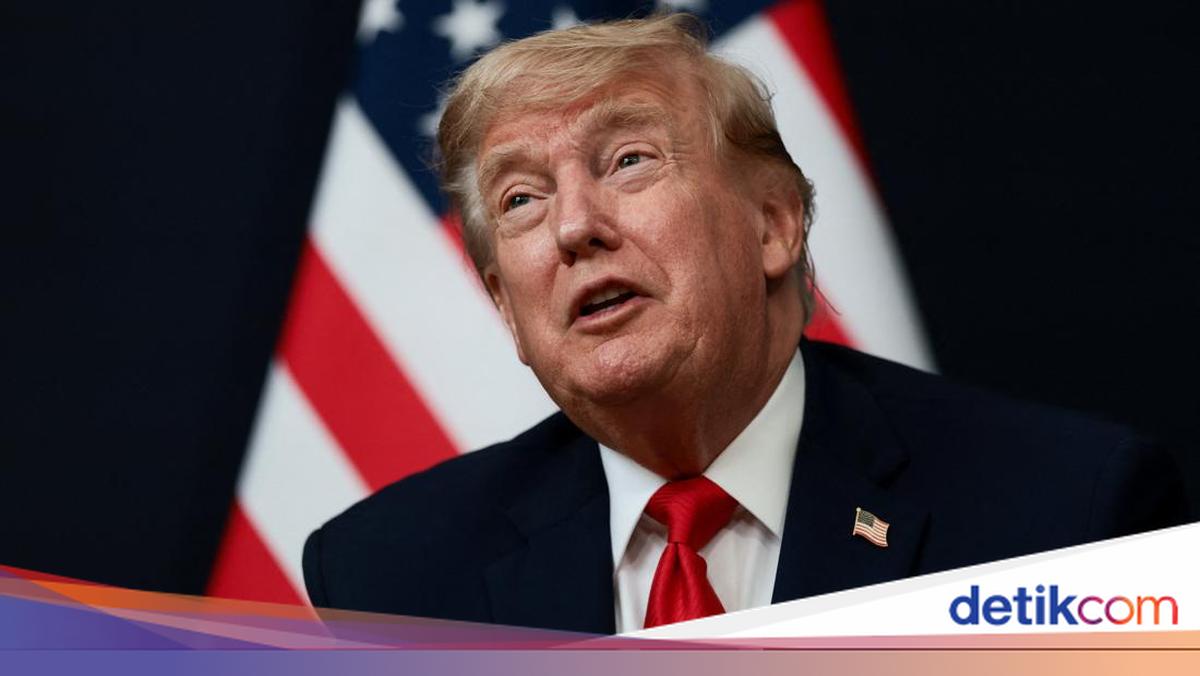
Republicans Slam Trump’s Iran Peace Deal
President Donald Trump and Iranian President Masoud Pezeshkian signed a memorandum of understanding (MoU) on June 17, 2026, to permanently end hostilities across all fronts, including Lebanon. The agreement establishes a 60-day ceasefire, lifts the US blockade on Iran, restores commercial traffic in the Strait of Hormuz, and initiates discussions for a $300 billion reconstruction plan. According to the terms, Tehran may rejoin the global economy if it meets specific commitments outlined in the deal.
President Trump signed the document remotely from France. He stated the move was a practical step to secure oil supplies and prevent a global depression. Trump argued that continuing bombardment for several more weeks would not have opened the Strait of Hormuz, which typically carries about one-fifth of the world’s crude oil.
Why did President Trump sign the Iran MoU?
The administration aimed to stabilize energy markets after war-driven spikes in global oil prices. Trump stated the MoU was not a reflection of his power but a necessity to avoid a worldwide economic collapse. He warned that without the agreement, oil supplies could have been blocked for months.
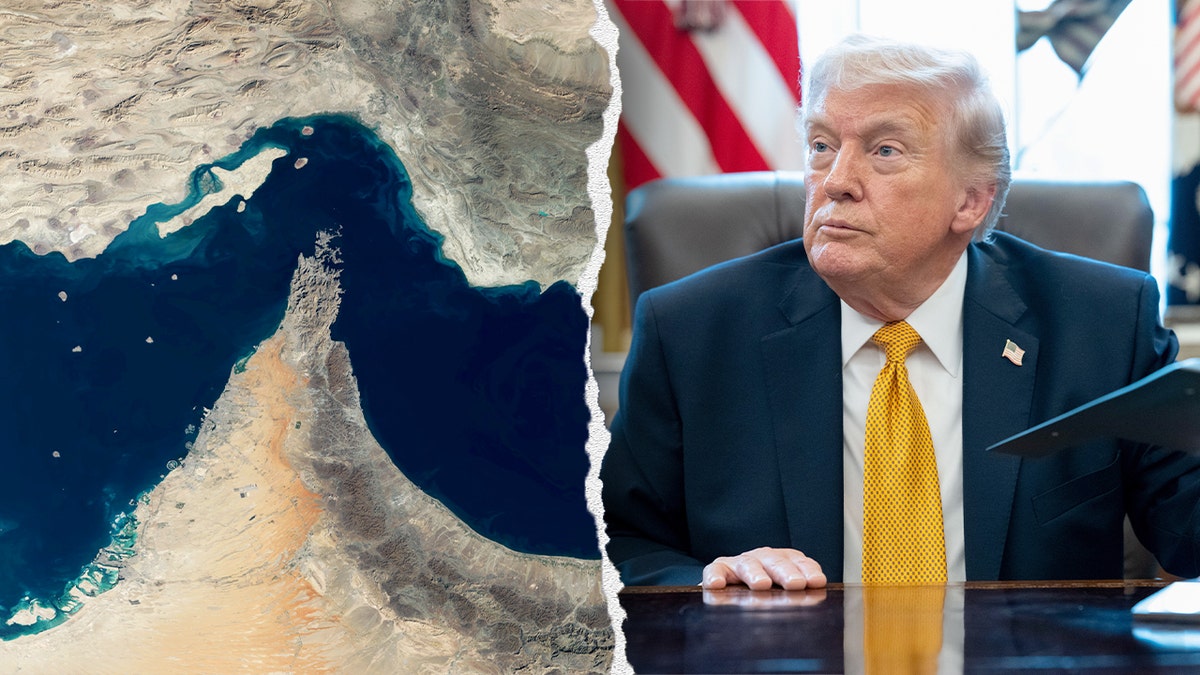
Trump noted that the deal is not yet final. He cautioned that the United States could resume military attacks if the current negotiations fail to produce lasting results.
What are the reactions from US lawmakers?
Republican senators have criticized the agreement as a failure. Senator Bill Cassidy called the MoU the “worst foreign policy mistake in decades,” noting that 13 Americans died and fuel costs rose before the sanctions were lifted.
Senator Roger Wicker, chairman of the Senate Armed Services Committee, described the deal as inconsistent with the administration’s goals. Wicker specifically criticized the $300 billion reconstruction fund, noting it would dwarf the payments involved in the 2015 Obama-era nuclear deal.
Senator John Cornyn expressed concern that the agreement serves as a “pause,” allowing Iran to rebuild its weaponry and continue uranium enrichment. Meanwhile, Senate Democratic leader Chuck Schumer called the deal “The Art of the Disaster,” arguing it restores the pre-war status quo while granting Tehran new influence.
What happens next in US-Iran relations?
The two nations enter a 60-day ceasefire period. During this window, the US will lift its blockade and sanctions to allow Iran back into the global economy, provided Tehran meets the agreement’s commitments.
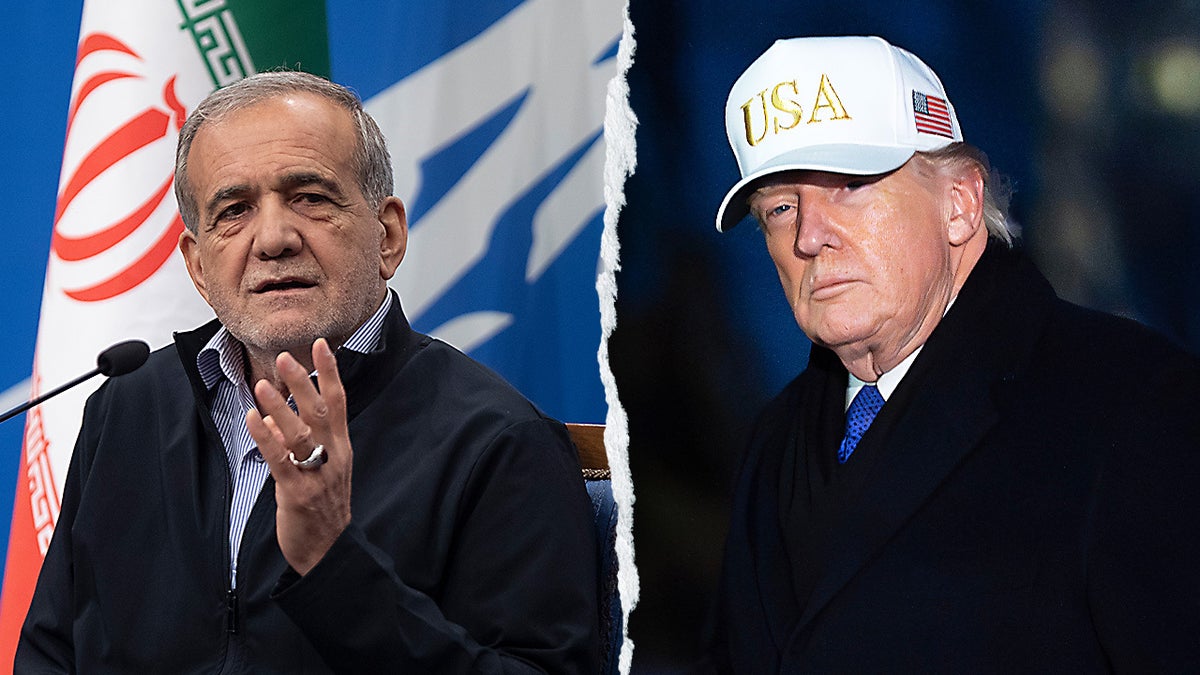
Future stability depends on whether the parties can move beyond the MoU to a final agreement. If negotiations fail, the US may resume military operations, according to President Trump.
Frequently Asked Questions
What are the primary terms of the MoU?
The agreement includes a permanent end to hostilities in all fronts including Lebanon, a 60-day ceasefire, the removal of the US blockade, the restoration of commercial traffic in the Strait of Hormuz, and a $300 billion reconstruction plan.
Why are some Republicans opposing the deal?
Critics, including Senators Bill Cassidy and John Cornyn, argue the deal lacks firm commitments regarding uranium enrichment and ballistic missiles, and may allow Iran to rebuild its military.
How does this deal affect the global economy?
President Trump stated the deal is intended to prevent a global depression by ensuring the continued flow of oil through the Strait of Hormuz.
Do you believe economic stability in energy markets justifies the lifting of diplomatic sanctions?