

Researchers Call for Urgent Policy Action Against Ultra-Processed Foods
A coalition of leading nutrition researchers has issued a blunt directive to federal policymakers: it is time to move beyond individual dietary advice and start implementing systemic regulatory change. This call to action, highlighted in a new special edition of the American Journal of Public Health, argues that the current food environment is engineered for profit at the expense of public health.
The urgency of this message is underscored by new polling data from 2,000 U.S. Adults. The survey reveals a rare point of consensus in a polarized nation: an overwhelming majority of Democrats, Republicans, and independents agree that ultra-processed foods are addictive and contribute significantly to obesity, type 2 diabetes, and cardiovascular disease. Despite this broad public support for interventions—such as safety testing for additives, warning labels, and mandated reductions in sugar and salt—experts argue that federal action remains insufficient.
Did You Know?
In the 1980s and 1990s, the tobacco giant Philip Morris Companies applied flavor-enhancing technologies used in lower-nicotine cigarettes to the development of Lunchables while it owned Kraft General Foods.
The Regulatory Gap
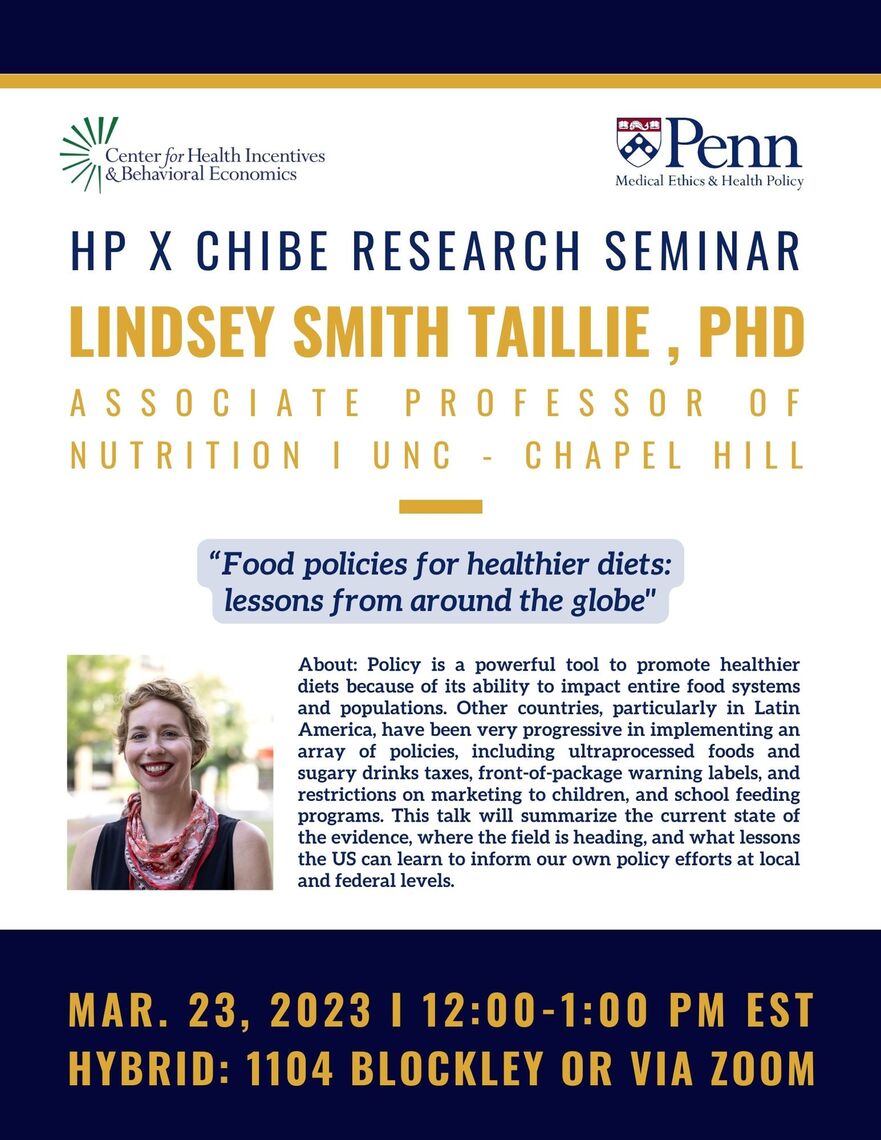
While U.S. Health officials have signaled a focus on the health impacts of ultra-processed foods, researchers warn that government efforts could be undermined if they fail to adopt a comprehensive definition. Nutrition epidemiologist Lindsey Smith Taillie notes that a narrow definition risks capturing only a fraction of the food supply, potentially resulting in minimal health improvements. The research collective has expressed support for the established Nova classification system as a more effective framework.

Experts also caution that the government’s current approach to dietary guidelines places the burden of health on the individual rather than the industry. Food politics scholar Marion Nestle argues that while movements like “Make America Healthy Again” are correct to pursue the removal of artificial dyes and glyphosate, the fundamental structure of the modern supermarket remains rigged against the consumer.
Expert Insight:
The tension between personal responsibility and systemic regulation represents a major inflection point in public health policy. The shift toward viewing ultra-processed food consumption as a regulatory issue rather than a series of individual choices mirrors historical shifts in tobacco control. The primary hurdle remains the potential for federal pre-emption laws, which could effectively block state and local governments from pursuing their own, more stringent health protections.
Strategies for Reform
The special issue outlines several pathways for change, including the use of litigation by state and local officials to challenge industry practices. Researchers suggest that policy could be leveraged to reshape the food landscape, such as redirecting resources from existing food benefit programs to subsidize local farmers. Many experts involved in the project expressed support for shifting agricultural subsidies away from commodities like corn and toward the production of fruits and vegetables.
Looking ahead, the landscape of food regulation may face significant friction. As states continue to pass legislation aimed at curbing ultra-processed foods, industry groups are likely to push for federal pre-emption to prevent a patchwork of local requirements. If the federal government moves to define ultra-processed foods, the specific criteria chosen for that definition could dictate the scope and effectiveness of future public health interventions for years to come.
Frequently Asked Questions
What do Americans generally agree on regarding ultra-processed foods?
A survey of 2,000 U.S. Adults found that majorities across all political parties agree that ultra-processed foods are addictive and contribute to obesity, type 2 diabetes, and cardiovascular disease.
What regulatory interventions are currently being discussed by experts?
Proposed interventions include testing additives for safety, banning artificial dyes, requiring warning labels, and mandating that companies reduce the sugar and salt content in their products.
Why are experts concerned about federal “pre-emption” laws?
Experts like Kelly Brownell warn that the food industry may attempt to use federal pre-emption to prevent state and local governments from enacting their own, localized regulations and consumer protections.
How would you change your shopping habits if warning labels were required on all ultra-processed foods?