
Researchers develop compound 10 to slow Alzheimer’s disease progression
Researchers at ETH Zurich have identified a new chemical substance, designated “Compound 10,” that slows the progression of Alzheimer’s symptoms in mice. By preventing the aggregation of a regulatory enzyme called GRK2, the compound protects nerve cells, improves mitochondrial function, and reduces the accumulation of amyloid beta. This discovery, which also demonstrated anti-aging effects in animal models, offers a potential new pathway for future therapeutic interventions.
Understanding the Role of GRK2
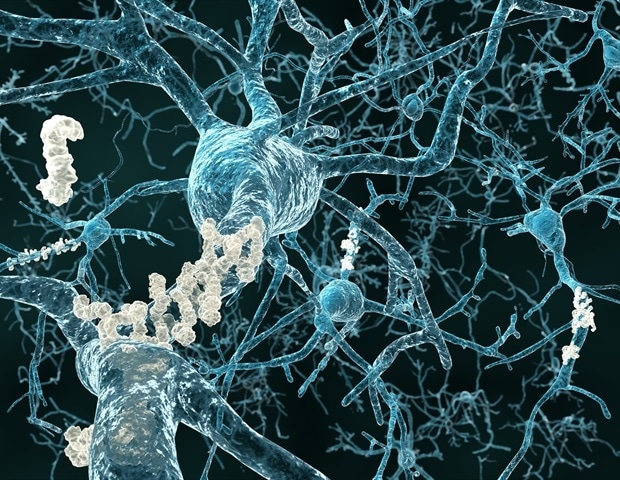
The research, led by Professor Ursula Quitterer, centers on the enzyme GRK2. While this protein is essential for helping cells manage stress and signals, Quitterer’s team discovered that its inactive form accumulates in the brains of dementia patients. These aggregates deposit on mitochondria, effectively blocking the “powerhouses” of the cells and triggering a cascade of cellular stress.
This process is self-perpetuating. As amyloid beta—a protein fragment associated with Alzheimer’s—builds up, it stresses nerve cells, which in turn leads to the formation of more inactive GRK2 aggregates. Breaking this cycle is the primary goal of the newly developed Compound 10.
The Impact of Compound 10
In laboratory tests, Compound 10 successfully prevented GRK2 molecules from forming damaging aggregates. By stabilizing these proteins, the treatment allowed mitochondria to function more efficiently, leading to a significant reduction in amyloid beta deposition. Consequently, the nerve cells in treated mice were better able to maintain their function, and the animals exhibited slower disease progression and longer survival rates.
Beyond the brain, the compound showed systemic anti-aging benefits. Mice treated with the substance displayed improved heart function and even developed fewer grey hairs compared to untreated counterparts. These findings were recently published in the journal Cell Reports Medicine.
What Happens Next
With basic research now complete and a patent application filed, the next phase involves translating these findings into a clinical setting. Because Alzheimer’s research requires long-term studies on aging animals, the development process is inherently slow, often taking years to complete each experimental cycle.
ETH Zurich is currently seeking a corporate partner to move toward drug development. If successful, Compound 10 could eventually be used in combination with other medications to improve the quality of life for those living with the disease, offering a mechanism of action distinct from current pharmaceutical options.
Frequently Asked Questions
How does Compound 10 work?
It prevents the enzyme GRK2 from forming aggregates in brain cells. By doing so, it protects mitochondria, reduces the production of amyloid beta, and prevents nerve cell death.
Why is this research considered slow?
Investigating an age-related disease requires using older mice, typically one and a half to two years old. Each experimental cycle takes a similar amount of time to conclude before the next phase can be planned.
Can this cure Alzheimer’s?
The research indicates that the compound slows the progression of symptoms in mice. Researchers suggest that it may one day be used alongside other medications to help improve the quality of life for patients.
How might the discovery of anti-aging effects in this compound change the way we approach the treatment of other age-related conditions?