

Researchers Discover Way to Eliminate Cancer Zombie Cells to Prevent Relapse
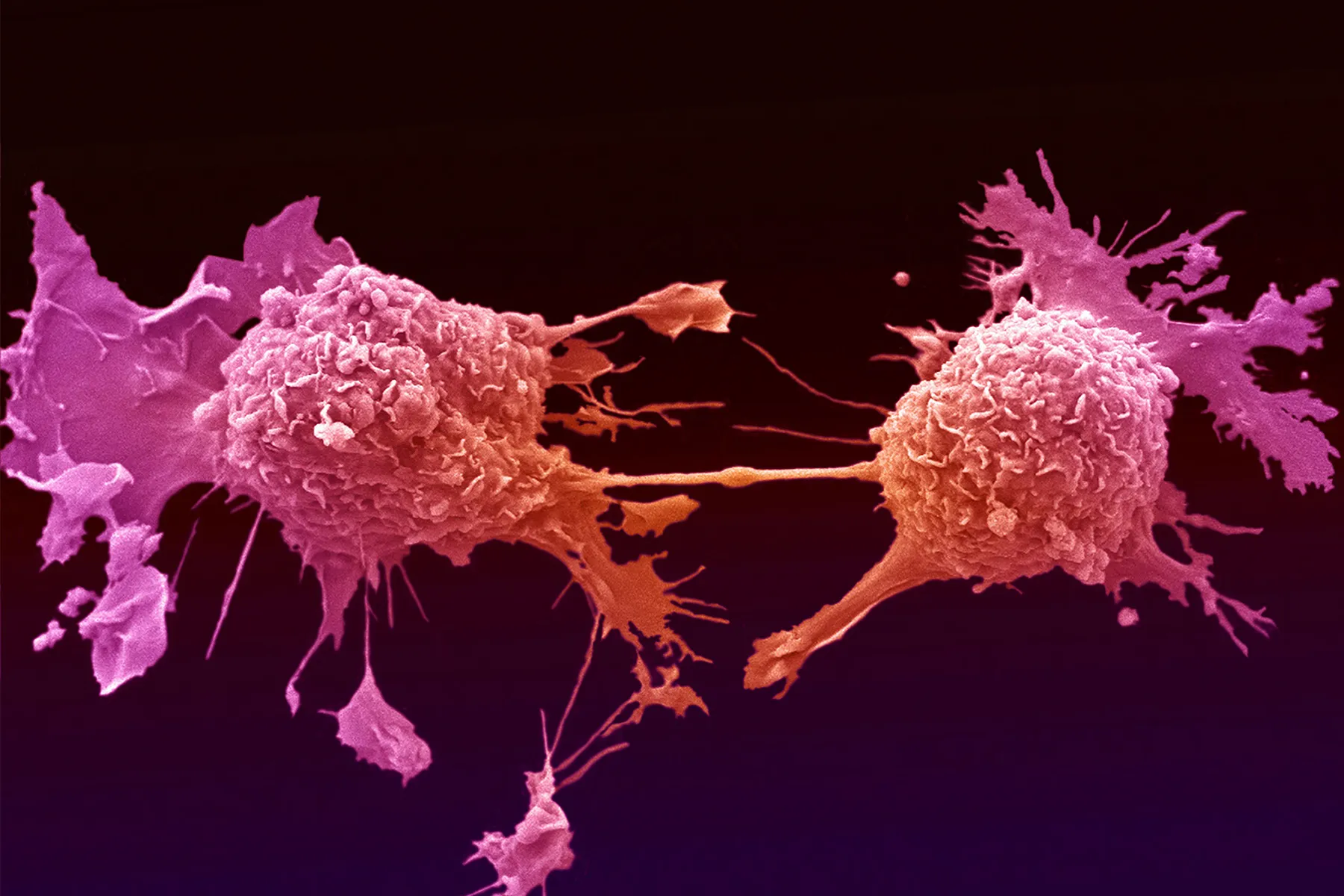
Modern cancer therapy is remarkably effective at halting the growth of tumors, yet a persistent medical challenge remains: the survival of dormant, non-dividing cells that linger after treatment. These persistent cells, often referred to as “zombie cells,” do not simply vanish. Instead, they remain active, fueling chronic inflammation and potentially triggering cancer recurrence.
A new study published in Nature Cell Biology has identified a critical vulnerability in these senescent cells that could change how we approach post-treatment recovery. By screening more than 10,000 chemical compounds, an international research team identified 38 substances capable of selectively targeting and eliminating these dangerous cells.
The Role of the GPX4 Enzyme
The survival of senescent cells depends heavily on the enzyme GPX4. These cells exist in a state of constant physiological stress, characterized by the production of reactive oxygen molecules and an altered fat metabolism. Under these conditions, the cells are at high risk of self-destruction through ferroptosis, a process where iron and oxidized lipids destroy the cell membrane.

GPX4 functions as a necessary defense mechanism, preventing the accumulation of aggressive fat degradation products. While healthy cells are less reliant on this specific protection, senescent cells depend on it for survival. When researchers blocked GPX4, the protective barrier failed, causing the “zombie cells” to collapse while leaving healthy, less stressed cells largely unaffected.
Implications for Future Cancer Treatment
This “double-punch” approach—combining standard therapy with GPX4 inhibitors—was tested in mouse models across three types of cancer: prostate, ovarian, and melanoma. The results were particularly notable in ovarian cancer, where subjects receiving both the chemotherapy drug Cisplatin and a GPX4 inhibitor lived significantly longer than those treated with chemotherapy alone.
Looking ahead, the clinical application of these findings remains a subject of ongoing research. Experts are now focusing on identifying which specific cancer types or patient profiles might derive the most benefit from this strategy. If a patient’s cells show high levels of GPX4 during chemotherapy, this approach could potentially be used to enhance the overall therapeutic impact.
Challenges and Next Steps
While the laboratory results are promising, several questions must be addressed before this can reach human trials. Scientists are still evaluating the safety profile of GPX4 inhibition, specifically the risk of unintended damage to healthy cells. Because senescent cells are not a uniform group and vary depending on the tissue and the trigger, further study is required to understand the full scope of this treatment.
Frequently Asked Questions
What are “zombie cells”?
These are senescent cells that remain in the body after cancer therapy. They no longer divide, but they continue to be active, causing inflammation and potentially leading to cancer recurrence.
How does the GPX4 enzyme protect these cells?
GPX4 acts as a shield against a form of cell death called ferroptosis. It prevents aggressive fat degradation products from accumulating in the cell membrane, which would otherwise destroy the cell under stress.
Can this treatment be used on humans immediately?
Not yet. While the results in mouse models are significant, researchers must first conduct further studies to determine how this approach translates to human physiology and to ensure that blocking GPX4 does not cause harmful side effects to healthy tissue.
How might the ability to target dormant cells change your perspective on long-term cancer recovery?