

Researchers Linked These 8 Food Ingredients to Higher Heart Disease Risk
A study published in the European Heart Journal involving more than 112,000 participants in France links eight common food preservatives to an increased risk of high blood pressure. Researchers found that high intake of non-antioxidant preservatives correlates with a 29% higher risk of hypertension and a 16% higher risk of heart attack and stroke.
How did researchers link preservatives to heart disease?
The research team monitored participants over several years, collecting diet data every six months through three-day food and drink recalls. This allowed researchers to track the volume and types of preservatives consumed while monitoring for cardiovascular complications.
Participants consuming the highest levels of non-antioxidant preservatives—those used to stop microbe growth—faced a 29% higher risk of high blood pressure. This group also saw a 16% increase in the risk of stroke and heart attack.
Those who consumed the highest levels of antioxidant preservatives, which prevent food from turning brown or spoiling, had a 22% higher risk of developing high blood pressure.
Which specific food preservatives are concerning?
The study identified eight specific additives associated with a higher risk of high blood pressure. These include potassium sorbate, potassium metabisulphite, sodium nitrite, ascorbic acid, sodium ascorbate, sodium erythorbate, citric acid, and rosemary extract.
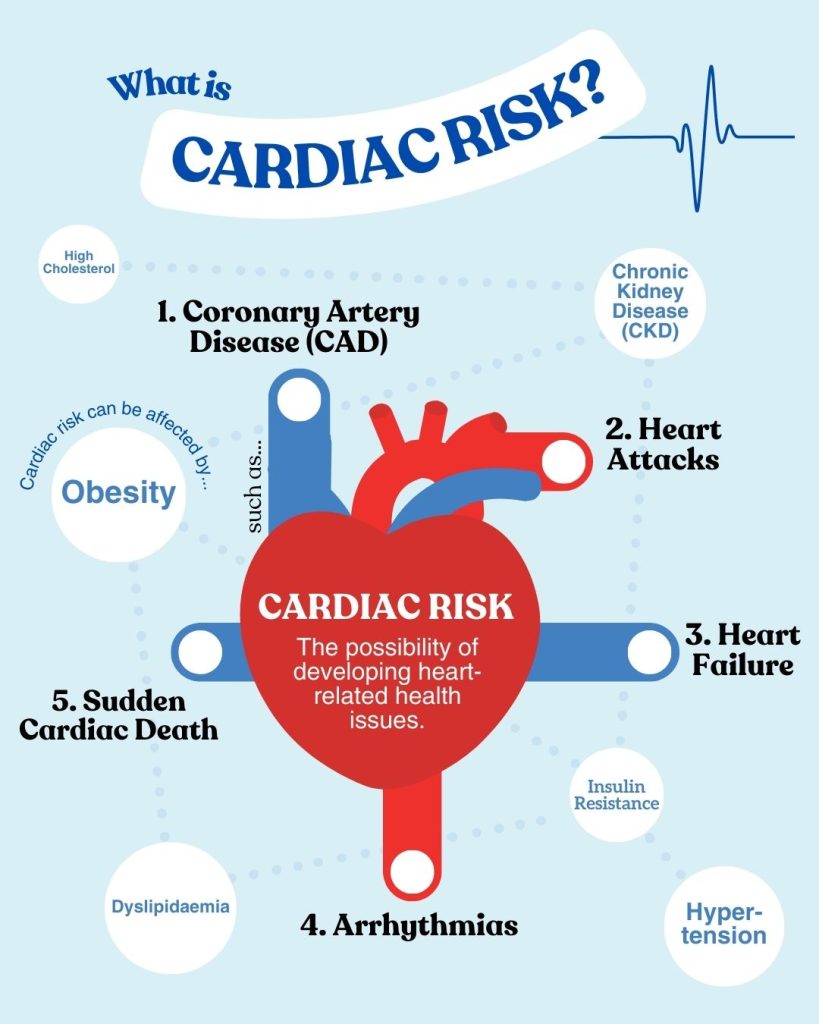
Researchers specifically flagged ascorbic acid for its link to cardiovascular disease.
Why do these additives impact blood pressure?
Katherine N. Balantekin, Ph.D., R.D., from the University at Buffalo, suggests that the risk may stem from both the additives and the foods containing them. These preservatives are typically found in ultra-processed, shelf-stable foods that are often high in sodium, sugar, and added fats.
Scott Keatley, R.D., notes that some preservatives could alter the gut microbiome, impact blood vessel function, or increase oxidative stress and inflammation. He specifically mentions that nitrites have been linked to oxidative damage in laboratory settings.
Anaïs Hasenböhler, lead study author, adds that ultra-processed foods are also linked to type 2 diabetes, which is a known risk factor for cardiovascular issues. Cheng-Han Chen, M.D., of MemorialCare Saddleback Medical Center, believes the risk is likely a combination of all these factors.
How can you build a heart-healthy diet?
Scott Keatley, R.D., emphasizes that consumers don’t need to memorize complex additive names. Instead, he suggests focusing on diets centered on minimally processed foods.
Dr. Chen recommends prioritizing whole grains, lean proteins, fruits, and vegetables while reducing saturated fats. For those managing high blood pressure, he suggests a lower-sodium diet, noting the American Heart Association’s ideal limit of 1,500 milligrams of sodium per day.
To further lower blood pressure, Keatley recommends potassium-rich foods like lentils, beans, leafy greens, potatoes, oranges, and bananas. Mathilde Touvier, Ph.D., suggests choosing fresh or frozen vegetables over those preserved with chemical additives.
What may happen next in food additive research?
Because this research shows an association rather than direct causation, further studies may be conducted to isolate the effects of specific preservatives. This could lead to a deeper understanding of how individual additives impact the gut microbiome.
Public health guidelines may shift to more explicitly discourage ultra-processed foods based on these cardiovascular links. Consumers might also see a gradual increase in the availability of frozen alternatives as a safer substitute for chemically preserved produce.
Frequently Asked Questions
Which eight preservatives were linked to high blood pressure?
The study linked potassium sorbate, potassium metabisulphite, sodium nitrite, ascorbic acid, sodium ascorbate, sodium erythorbate, citric acid, and rosemary extract to increased risk.
What is the difference between non-antioxidant and antioxidant preservatives in this study?
Non-antioxidant preservatives prevent microbe growth and were linked to a 29% higher risk of high blood pressure. Antioxidant preservatives prevent browning and spoiling and were linked to a 22% higher risk.
What are the recommended daily sodium limits for heart health?
According to the American Heart Association, most adults should have no more than 2,300 milligrams of sodium a day, with an ideal limit of 1,500 milligrams for those with high blood pressure.
Do you prioritize fresh produce or frozen options when shopping for your weekly meals?