
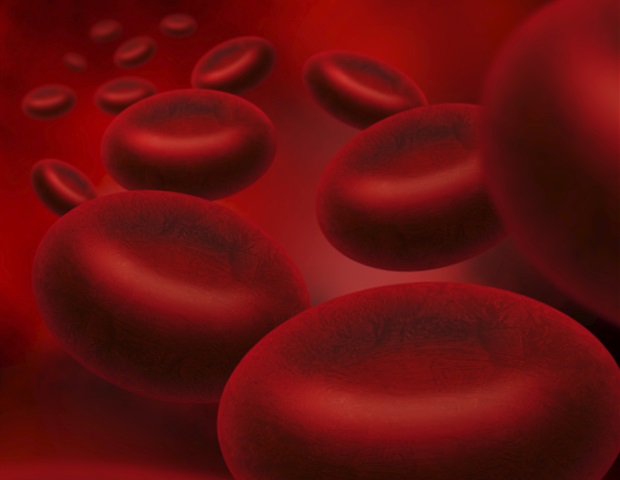
Researchers trace the origin of blood cells back to possible single-celled ancestors
The 700-Million-Year Secret Hidden in Your Veins
Every time your heart beats, it’s not just pumping life-sustaining fluid through your body—it’s circulating a 700-million-year-old biological archive. Recent breakthroughs from Kyoto University have finally mapped the “family tree” of our blood cells, revealing that the immune system you rely on today is a sophisticated upgrade of genetic tools inherited from ancient, single-celled ancestors.
By comparing gene expression profiles across species, researchers have discovered that our blood cells are essentially “repurposed” legacy code. This realization isn’t just a win for evolutionary biology. it is a fundamental shift in how we approach modern medicine.
The FOS gene, which is critical to your immune response today, has been active in blood cells since the dawn of multicellular animal life. You are literally carrying the genetic survival strategies of organisms that lived before dinosaurs walked the Earth.
From Macrophages to Modern Medicine: The Evolutionary Roadmap
The study highlights a fascinating hierarchy: macrophages—the “first responders” of your immune system—are the closest living relatives to our single-celled ancestors. From this primitive lineage, the complexity of the vertebrate immune system branched out, eventually giving rise to mast cells, T cells, and B cells.
Understanding this lineage is more than academic curiosity. It provides a new lens for immunology research. If we know exactly how these cells diverged, You can better understand why certain cells behave erratically in disease states. By tracing the “genetic ancestry” of a cell, scientists can now pinpoint exactly where a developmental pathway might have gone wrong.
The Future of Cancer Research: Mining Our Ancestral Code
How does this help a patient in a clinic today? When cells turn cancerous, they often “regress” to more primitive, uncontrolled states. By understanding the ancestral genetic programs that govern cell behavior, researchers are looking for ways to “reprogram” these cells.
- Precision Diagnostics: Identifying mutations by comparing them to ancestral gene profiles.
- Targeted Immunotherapy: Engineering T cells that are more effective by leveraging their evolutionary strengths.
- Disease Prediction: Identifying “evolutionary weak points” in human blood cell development that lead to autoimmune disorders.
Keep an eye on the field of evolutionary medicine. As we integrate big data with phylogenetic mapping, we are moving toward a future where we can predict a person’s susceptibility to immune-related diseases based on their unique cellular “lineage markers.”
Frequently Asked Questions
- How do we know blood cells come from single-celled ancestors?
- Researchers used advanced analytic methods to compare gene expression profiles. They found that specific genes, like FOS, are shared between our blood cells and ancient single-celled organisms, acting as a “genetic fossil.”
- What is the most important “ancestral” cell in our body?
- Macrophages are considered the most primitive blood cells, showing the closest resemblance to the single-celled organisms from which all animal life descended.
- Can this research cure cancer?
- While not a direct cure, this research provides a roadmap of cell development. By understanding the “original” pathways of blood cells, scientists can better identify how these pathways break down in cancer, leading to more targeted, effective therapies.
A Legacy Within Us
The next time you look at a blood test result, remember that those numbers represent an evolutionary journey spanning hundreds of millions of years. We are not just a collection of organs; we are the latest iteration of a survival strategy that has been tested by time, environment, and disease for eons.

As we continue to decode the “software” of our cells, the line between evolutionary history and future medical breakthroughs continues to blur. The goal is clear: by looking back at our origins, we can secure a healthier future for all.
What are your thoughts on the link between our ancient ancestors and modern immunity? Join the conversation in the comments below or subscribe to our weekly science brief to stay updated on the latest breakthroughs in human biology.