
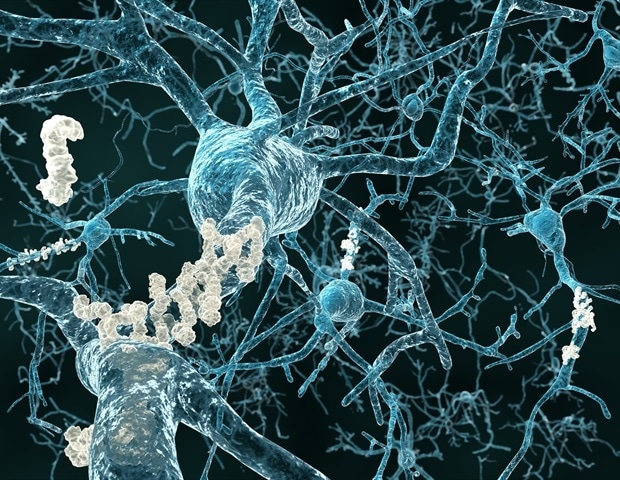
Researchers uncover new clues about the origin of Alzheimer’s tau tangles
Researchers at Columbia University have uncovered new clues regarding the earliest molecular events that may trigger Alzheimer’s disease. The findings shed light on how toxic tau filaments begin to form in the brain, which could guide future therapies designed to stop the disease before cognitive decline and memory loss become significant.
The Role of Tau Proteins in Cognitive Decline
The study focuses on tau, a protein that typically helps stabilize neurons. In patients with Alzheimer’s, however, tau can become misshapen and accumulate into tangled filaments.

While amyloid plaques have long been associated with the disease, growing evidence suggests that tau pathology is more closely linked to the progression of cognitive symptoms. Because of this, many researchers believe that tau-focused approaches may be more effective than amyloid-clearing therapies in slowing or preventing decline.
Understanding the Neuroproteasome
Kapil Ramachandran, an assistant professor of neurological sciences at Columbia University and the study’s senior author, previously identified a specialized disposal system in the brain. This system, called the neuroproteasome, straddles the outer membranes of neurons.
The neuroproteasome is responsible for destroying newborn proteins, which are particularly vulnerable to misfolding. By using molecular tools to block this system, researchers found that tau rapidly misfolded into filaments highly similar to those seen in Alzheimer’s patients.
Risk Factors: Genetics and Aging
The research highlights a significant link between the neuroproteasome and known risk factors. The protein ApoE4 reduces the number of these disposal units, which leads to a dramatic increase in susceptibility to tau tangles.
Conversely, the ApoE2 variant, which is known to reduce Alzheimer’s risk, has the opposite effect. These patterns were also observed in human brain tissue, where individuals with two copies of the APOE4 gene had far fewer neuroproteasomes.
the study found that neuroproteasomes decline as a person ages. These links suggest a possible mechanism explaining how aging and genetic variants contribute to the start of the disease.
Potential Future Directions
Because tau does not misfold in animal models the same way it does in humans, researchers previously had to inject human tangles into animals. This new understanding of how tau aggregation begins could change how the disease is studied.

Future efforts may focus on the development of therapies that prevent tau tangles from forming in the first place. Such interventions could potentially stop neurodegeneration before it begins.
For more technical details, the study was published in Nature Neuroscience: DOI: 10.1038/s41593-026-02297-x.
Frequently Asked Questions
What is the difference between amyloid plaques and tau filaments?
Amyloid plaques have long been associated with Alzheimer’s, but tau pathology—the formation of tangled filaments from misshapen tau proteins—is more closely linked to the progression of cognitive symptoms.
What is a neuroproteasome?
A neuroproteasome is an extra disposal system located on the outer membranes of neurons that destroys newborn proteins to prevent them from misfolding.
How does the APOE gene affect Alzheimer’s risk according to this study?
The ApoE4 variant reduces the number of neuroproteasomes, increasing susceptibility to tau tangles, while the ApoE2 variant reduces the risk.
How do you think early molecular prevention could change the future of elderly care?