

Revitalizing Indonesia’s economic diplomacy engine in the Middle East – Middle East Monitor
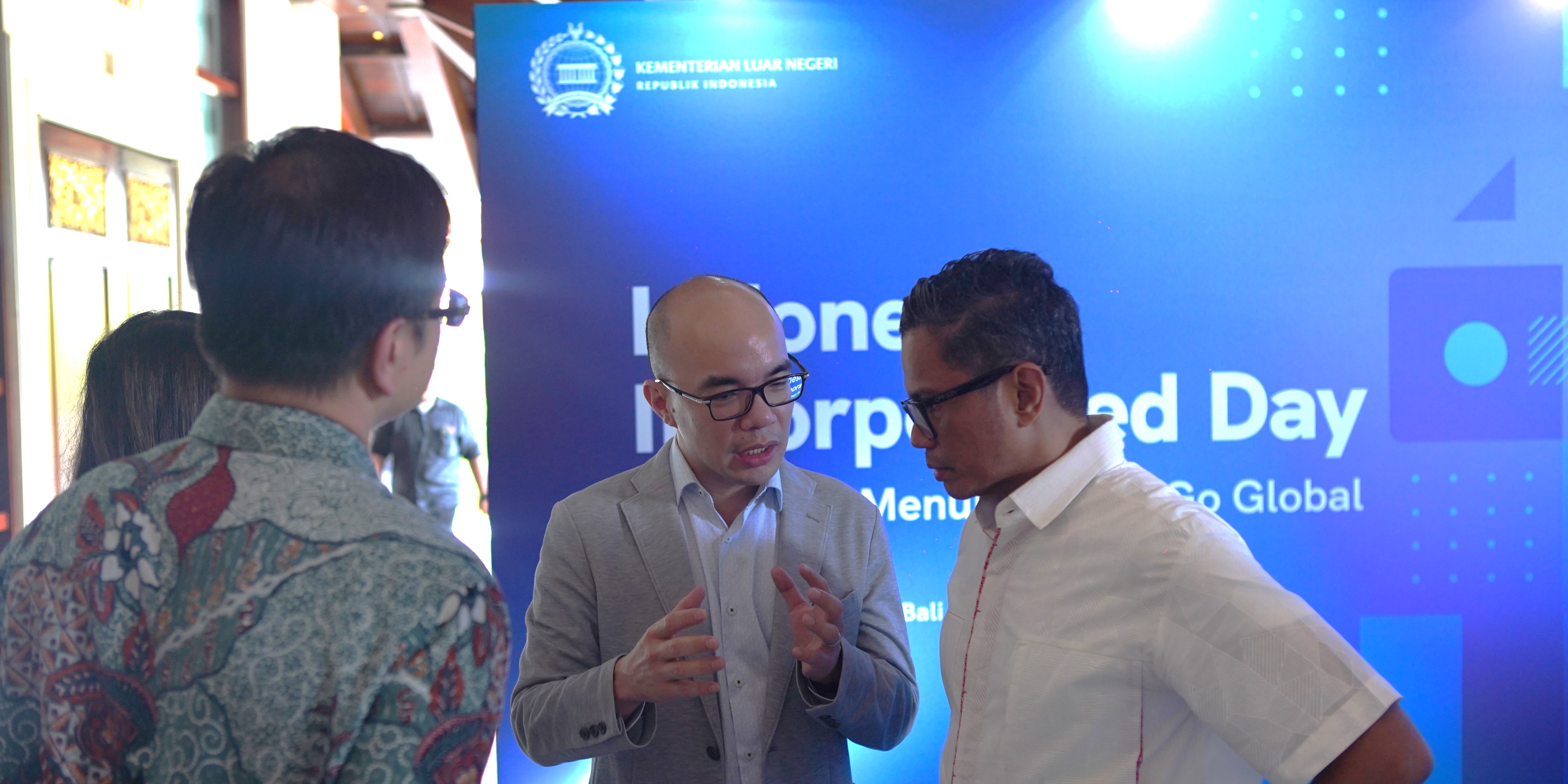
Indonesia is undergoing a strategic shift in its economic engagement with the Middle East and Turkey, moving away from a traditional reliance on fossil fuel trade and labor exports toward high-tech industrial integration and green economy initiatives. Under the “Indonesia Incorporated” framework, the nation is consolidating state-owned enterprises, investment authorities, and private businesses to target high-value digital services and supply chain integration as it seeks to expand its footprint in the 2025–2026 period.
The “Indonesia Incorporated” Strategy
The “Indonesia Incorporated” framework serves as a centralized command structure for the country’s trade policy. According to the strategic plan, this platform integrates the Danantara super-holding entity, the Indonesia Investment Authority (INA), and state-owned enterprises to streamline trade and investment. This shift is designed to help the country move beyond historical trade patterns and address logistical and tariff barriers in Gulf markets.
Shifting Economic Ties in the Gulf
Bilateral trade with the United Arab Emirates (UAE) reached $5.1 billion in 2024, bolstered by the IUAE-CEPA agreement. As of July 2025, exports to the UAE totaled $2.10 billion, with growth driven by jewelry, electronics, and automotive products. Indonesian AI startups are also seeing success in the region, with some firms reporting profit margins five to ten times higher than in the domestic market.
Addressing Logistics and Trade Barriers
Geopolitical tensions in the Red Sea and the Strait of Hormuz have forced Indonesia to seek alternative logistics routes to avoid “war risk surcharges” of up to $3,000 per container. To mitigate these risks, the government is prioritizing the use of ports in Oman, such as Salalah and Duqm, as primary entry points for Gulf markets. Furthermore, the absence of comprehensive trade agreements remains a challenge; products in Saudi Arabia currently face import tariffs that make them 35% to 40% more expensive than those from regional competitors like Malaysia or Thailand.
Future Outlook and Projections
Indonesia is aiming for 5.6% economic growth in 2026, with a focus on non-traditional exports including medical technology and the creative economy. Negotiations for an Indonesia-GCC Free Trade Agreement are currently targeted for completion by the end of 2026. If successful, this agreement could lower tariff barriers and provide a more stable foundation for the “Modern Islamic Powerhouse” branding campaign, which seeks to reposition Indonesia as a technologically competitive global hub.
Frequently Asked Questions
What is the primary goal of the “Indonesia Incorporated” strategy?
The strategy aims to consolidate Indonesia’s trade policy under a unified command structure involving the Danantara investment entity, the Indonesia Investment Authority, and state-owned enterprises to improve competitiveness in high-tech and green economy sectors.
How is Indonesia addressing the impact of Red Sea shipping disruptions?
The country is seeking to diversify its logistics hubs by utilizing ports in Oman, specifically Salalah and Duqm, to bypass conflict-prone areas and avoid high insurance surcharges.
What is the significance of the 2026 Hajj initiatives?
The government is using the Hajj pilgrimage as a showcase for Indonesian products, including the export of 2,280 tons of premium rice and the development of an “Indonesian Hajj Village” in Mecca, to enhance its brand image and promote its food security capacity.
How will the integration of Middle Eastern capital into Indonesia’s downstream mineral processing change the existing economic relationship?