

Revolutionary Nasal Spray Vaccine Protects Against Covid, Flu, and Allergies
Stanford University researchers have developed a nasal spray vaccine that could provide simultaneous protection against Covid-19, flu, pneumonia, and dust mite allergies. According to a study published in Science, the treatment uses a specific protein to activate the body’s innate immune system for broad-spectrum defense.
How does the Stanford nasal spray vaccine work?
Unlike traditional vaccines that mimic a specific virus or bacterium to trigger a targeted response, this formula activates innate immunity. This is the body’s rapid, general defense mechanism.
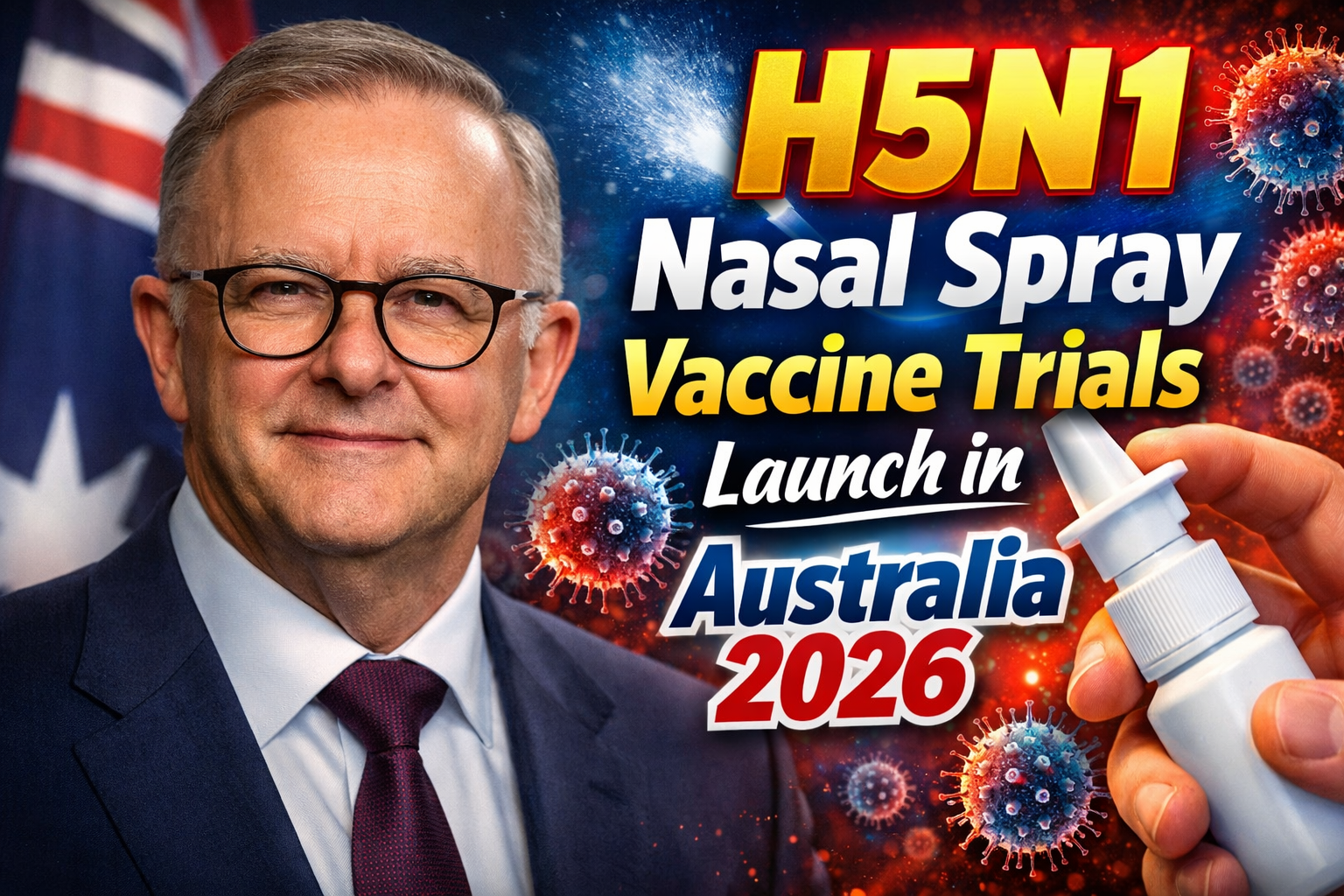
The preparation utilizes a protein called toll-like receptor 4 (TLR4). This protein orchestrates the initial immune reaction and sends signals to the adaptive immunity, which is responsible for long-term protection.
By administering the treatment nasally, researchers aim to keep the immune system in a state of constant vigilance. This allows the body to react immediately to a wide variety of pathogens.
What were the results of the animal trials?
In experiments conducted on mice, the nasal drops provided robust protection for at least three months. This protection covered coronavirus, common respiratory viruses, and two bacteria frequently linked to pneumonia.
The vaccine also showed efficacy against non-infectious triggers. When exposed to dust mites, vaccinated mice did not develop lung inflammation, whereas unvaccinated mice accumulated significant amounts of mucus.
What are the potential risks and limitations?
Some experts remain cautious about the findings. A primary concern is that immune systems react differently across different species, meaning mouse results may not translate perfectly to humans.
There are also warnings regarding the potential for chronic inflammation. Some researchers suggest that a constant immune response could lead to long-term adverse effects, including cancer and cardiovascular diseases.
What may happen next?
Future research may focus on determining if the protective effects seen in mice can be replicated in human trials. Scientists could explore ways to maintain immune vigilance without triggering the chronic inflammation that experts fear.
It is possible that researchers will refine the TLR4 protein delivery to balance broad protection with long-term safety. This could eventually lead to a single annual immunization for multiple respiratory threats.
Frequently Asked Questions
Which conditions does this nasal spray target?
The vaccine is designed to protect against flu, Covid-19, pneumonia-causing bacteria, and allergies to dust mites.
How does it differ from standard vaccines?
Standard vaccines usually mimic a specific pathogen to create a specific response, while this formula directly activates the body’s innate immunity using the TLR4 protein.
What were the long-term risks mentioned by experts?
Experts warned that induced chronic inflammation could potentially lead to cardiovascular diseases and cancer.
Would you prefer a single multi-purpose nasal spray over multiple annual injections?