

RFK Jr. seeks to peek at Americans’ medical records for clues on autism and vaccines
U.S. Health Secretary Robert F. Kennedy Jr. Is actively seeking federal access to the private medical records of millions of Americans. The initiative aims to research potential links between vaccines and autism—a connection that the medical establishment has studied for decades and consistently rejects.
The Department of Health and Human Services (HHS) has engaged in private meetings with leaders of state-run health information exchanges. These systems, which allow hospitals and clinics to share detailed, identifiable patient information, are being eyed as a source for federal data collection. While some public health officials have expressed reservations regarding the legality and utility of this access, the effort continues under the direction of Kennedy’s political appointees.
Privacy and Legal Concerns
The push to access medical records has raised significant concerns among health officials regarding patient privacy. The federal government has provided no specific insight into how it would protect or manage sensitive data, which could include doctors’ notes and prescription histories. Many state health information exchanges have contractual restrictions that currently prevent them from sharing such clinical data with federal authorities for these purposes.
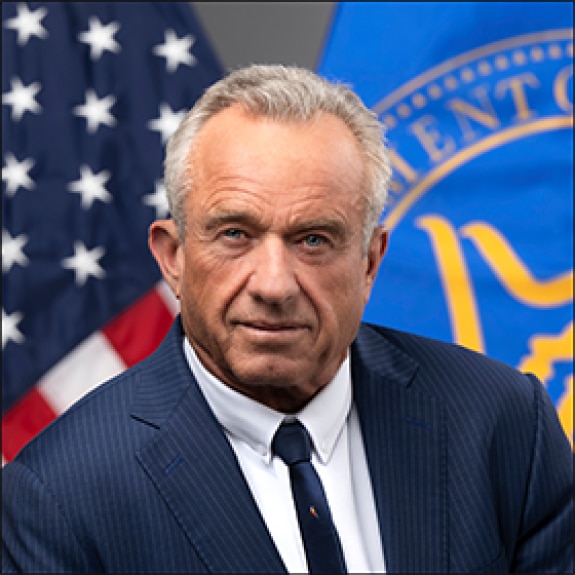
Craig Behm, who runs the Maryland health information exchange, noted that his organization declined to participate, citing the need for extensive approvals from hospitals and state leaders. Others, like John Kansky of the Indiana Health Information Exchange, have expressed concern over the administration’s specific focus on vaccine research, noting the controversial nature of the topic.
What Lies Ahead
The future of this initiative remains uncertain. While the White House has previously steered Kennedy away from major changes to vaccine policy, the administration’s focus on the “Make America Healthy Again” agenda suggests that efforts to collect and analyze patient data will likely persist. If the federal government continues to pursue these channels, it may face ongoing resistance from state organizations bound by privacy contracts and legal frameworks.
Analysts suggest that a possible next step involves the federal government attempting to establish new data-sharing agreements that bypass current restrictions. However, given the technical limitations noted by experts like former CDC official Daniel Jernigan—who pointed out that electronic health records often lack the depth required for complex medical research—the outcome of these studies remains a subject of debate within the health community.
Frequently Asked Questions
What is the goal of the federal government’s interest in state medical records?
Secretary Robert F. Kennedy Jr. Stated that the records are key to investigating the causes of autism, vaccine safety, and chronic diseases.
Has any data actually been shared with the federal government?
While some states have been approached, many have declined or are still weighing the request. There is no public confirmation of a widespread, active data-sharing programme beyond the proof-of-concept efforts involving Nebraska’s CyncHealth.
How does the government plan to protect patient privacy?
HHS has not provided information on how it will protect, handle, or manage the personal health information it seeks to obtain from these state systems.
How do you feel about the balance between using personal medical data for public health research and maintaining individual privacy?