
RI strengthens countermeasures against tuberculosis
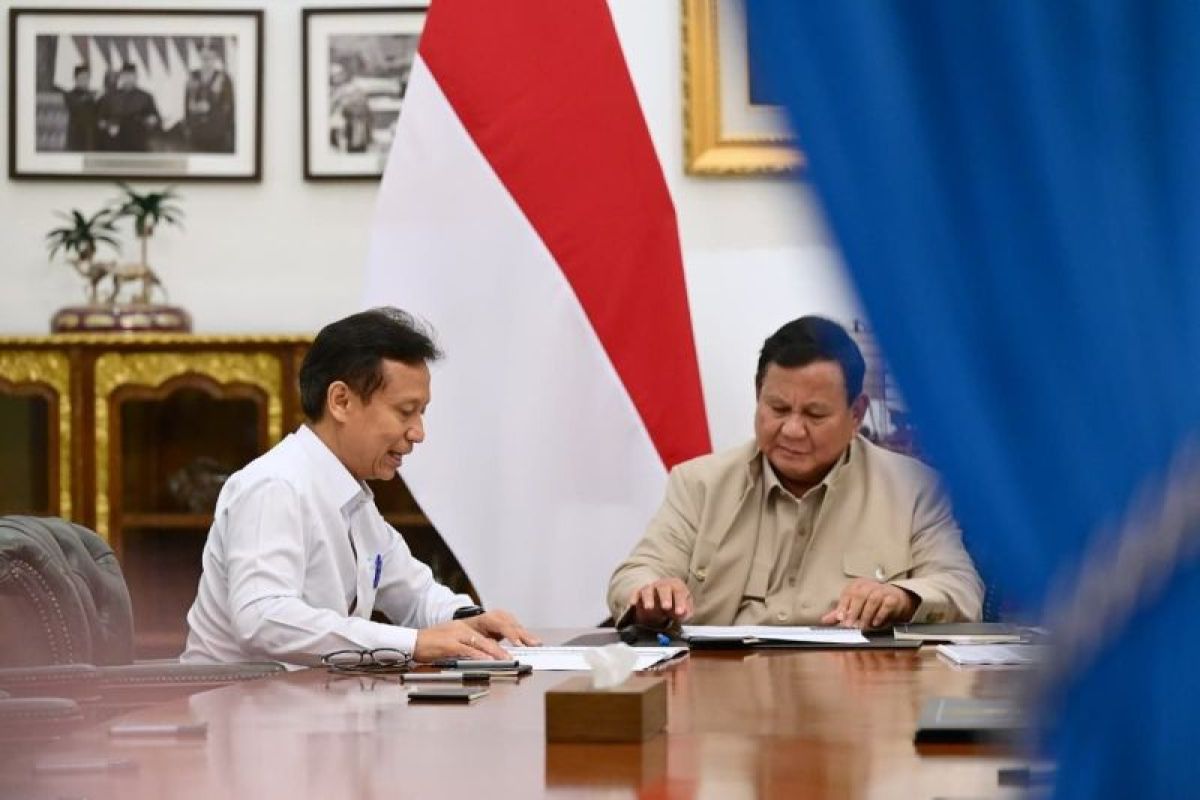
President Prabowo Subianto is accelerating Indonesia’s healthcare transformation by expanding the Free Health Screening (CKG) program and intensifying national tuberculosis (TB) control efforts. Following a briefing from Health Minister Budi Gunadi Sadikin at Merdeka Palace on June 9, the government confirmed a shift toward prioritizing treatment and recovery alongside early detection, backed by infrastructure upgrades across the country’s 38 provinces.
Expanding screening and treatment
The CKG program, which launched this year, is moving beyond simple detection to provide active treatment pathways. Cabinet Secretary Teddy Indra Wijaya confirmed that the government is now focusing on providing free treatment and monitoring for non-communicable diseases, specifically hypertension and diabetes, through local community health centers, known as puskesmas.
TB control remains a primary objective, with approximately 1.08 million cases identified this year due to heightened tracing efforts. To streamline care, the government has introduced a one-stop service model. This allows patients to receive screening, diagnosis, and treatment at a single puskesmas within the same day.
Infrastructure and medical equipment upgrades
The government is currently upgrading 66 regional public hospitals located in underdeveloped, outermost, and remote areas to improve national service capacity. Of the 22 hospitals planned for 2025, 20 are complete, with 10 currently operational. Construction has begun on 14 of the 20 hospitals scheduled for 2026, while 24 additional facilities are in the planning phase for 2027.
To support these facilities, Minister Sadikin reported the distribution of 905 major medical devices across 258 districts and cities. This equipment includes CT scans, MRI machines, Cath Labs, mammography units, and linear accelerators. The broader strategy involves revitalizing 514 regional public hospitals and 10,000 puskesmas to standardize the national health system.
Future outlook for national health
The acceleration of these initiatives suggests that the government may prioritize the integration of diagnostic technology into rural areas throughout 2027. If the current construction timeline for regional hospitals holds, the national network of specialized care could see a significant increase in capacity by the end of next year. Analysts might expect that the success of the one-stop TB service model could lead to its application for other chronic conditions if initial outcomes show a reduction in patient recovery times.
Frequently Asked Questions
What is the primary goal of the expanded CKG program?
The program aims to prioritize treatment and recovery efforts for patients, rather than focusing solely on early health detection.
How many TB cases have been identified this year?
Approximately 1.08 million TB cases have been identified following intensified tracing and screening efforts.
What kind of medical equipment has been distributed?
The government has distributed 905 major devices, including Cath Labs, CT scans, MRI machines, mammography machines, and linear accelerators, to 258 districts and cities.
How do you believe these changes will impact healthcare access in your local area?